

You may remember Cassidy Kmetz from her first blog post where she shared weightlifting tips for beginners.
Today she’s back and this time she’s talking to us about the effects winter can have on your mood and how you can improve it (and your gut health) through food.
In this article, Cassidy will share her own grocery list, the foods she focuses on during the colder months, and how you can implement subtle changes to your meals for the happiest, healthiest, and most comfortable winter yet.
With that, let’s talk about Cassidy.
Preventing seasonal effects on your mood with food
+++
One thing I’ve noticed since I was little is that every time I feel the slightest change to cooler temperatures, I have an INTENSE craving for hot “chicken in the pot” soup…especially the one my mom made for me during my “prime time”! Agh, those were the days.
Our body is constantly communicating with us, whether we realize it or not. In winter, we naturally crave soups, nuts, hot cereals, and foods that are high in fat and rich in nutrients. In summer, we want refreshing, energy-rich foods like salads, berries, and leafy greens.
Cravings not only occur psychologically but also biologically. More than 25% of our DNA changes with the seasons, alongside changes in our gut microbiome, immune system and hormonal responses. Our gut microbes are supposed change seasonally depending on the foods we eat.
By adjusting our diet according to the seasons, we can optimize digestion, mood and immunity, putting our bodies in harmony with the Earth’s natural cycles.
Here are some simple swaps you can make for a metabolism reboot, gut health reset, and looking and feeling your best… without being depressed!
MINERALS ON MACROS
As a fellow exerciser myself, I’m the first to admit that when I grab something from the grocery aisle, the FIRST thing I do is check the macros. While it is an absolutely important part of our diet and something that has contributed greatly to my fitness progress, it is equally important to be aware of the vitamins and minerals that make up the foods we eat, especially during the fall and winter months.
Having grown up in the North (Bucks County, PA if we want to be specific) and dealing with constantly cold and dark winters, I can attest that Seasonal Affective Disorder is as real as it gets. And the name “SAD” couldn’t be more apt.
Foods rich in vitamin D, selenium, and omega 3 are a powerful way to mitigate the effects of weather-related mood swings, especially during the fall and winter months when sun exposure is less.
It doesn’t have to be a radical change either: it’s just simple exchanges. In the summer, I usually opt for leaner protein sources like chicken breast, egg whites, shrimp, and flaky white fish. When I transition into fall, I swap them out for heartier options like chicken thighs, whole pasture-raised eggs, and wild salmon.
Pairing these proteins with healthy fats such as avocados, sprouted nuts, and oils (olive, avocado) will also help your body better absorb essential vitamins during the darker months.
Here’s a little cheat sheet to help you get started.

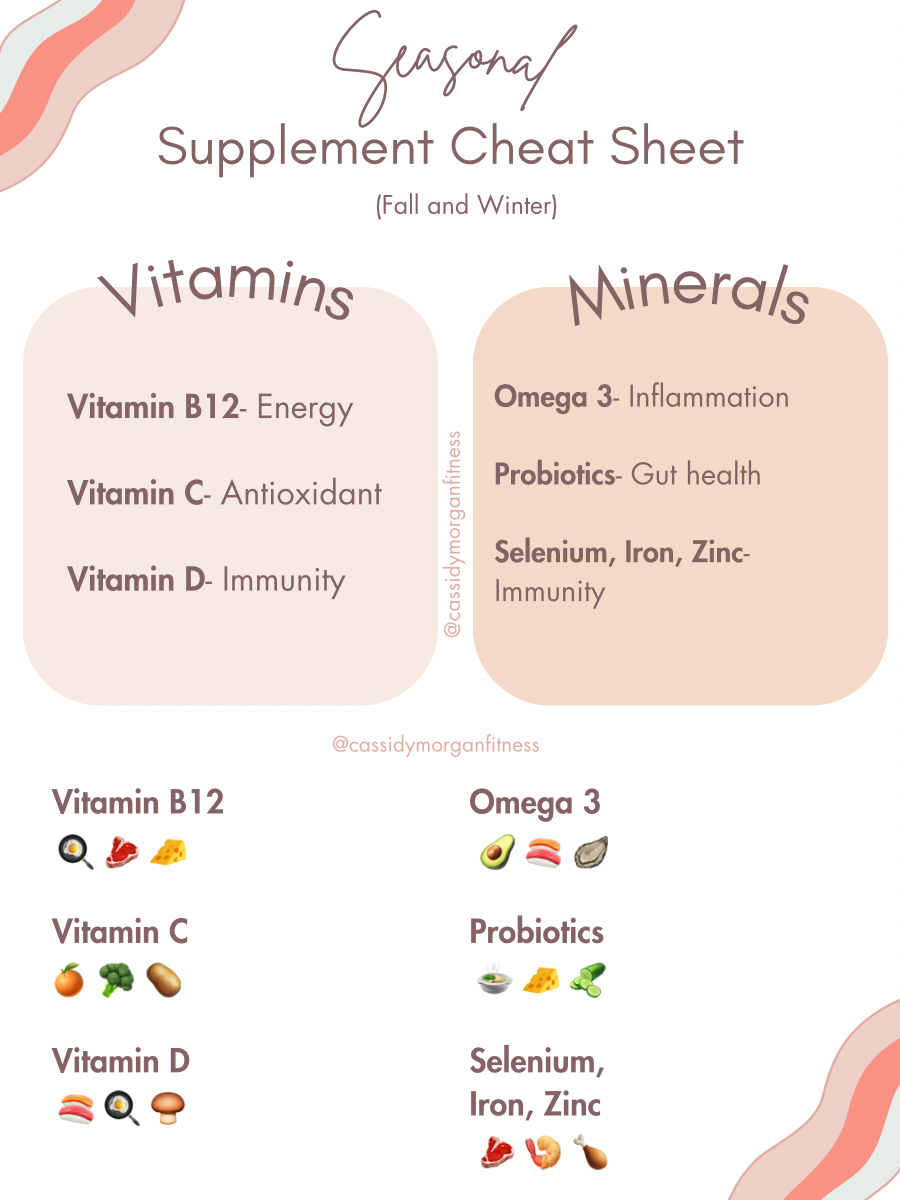
EMPTY TO FULL OF ENERGY
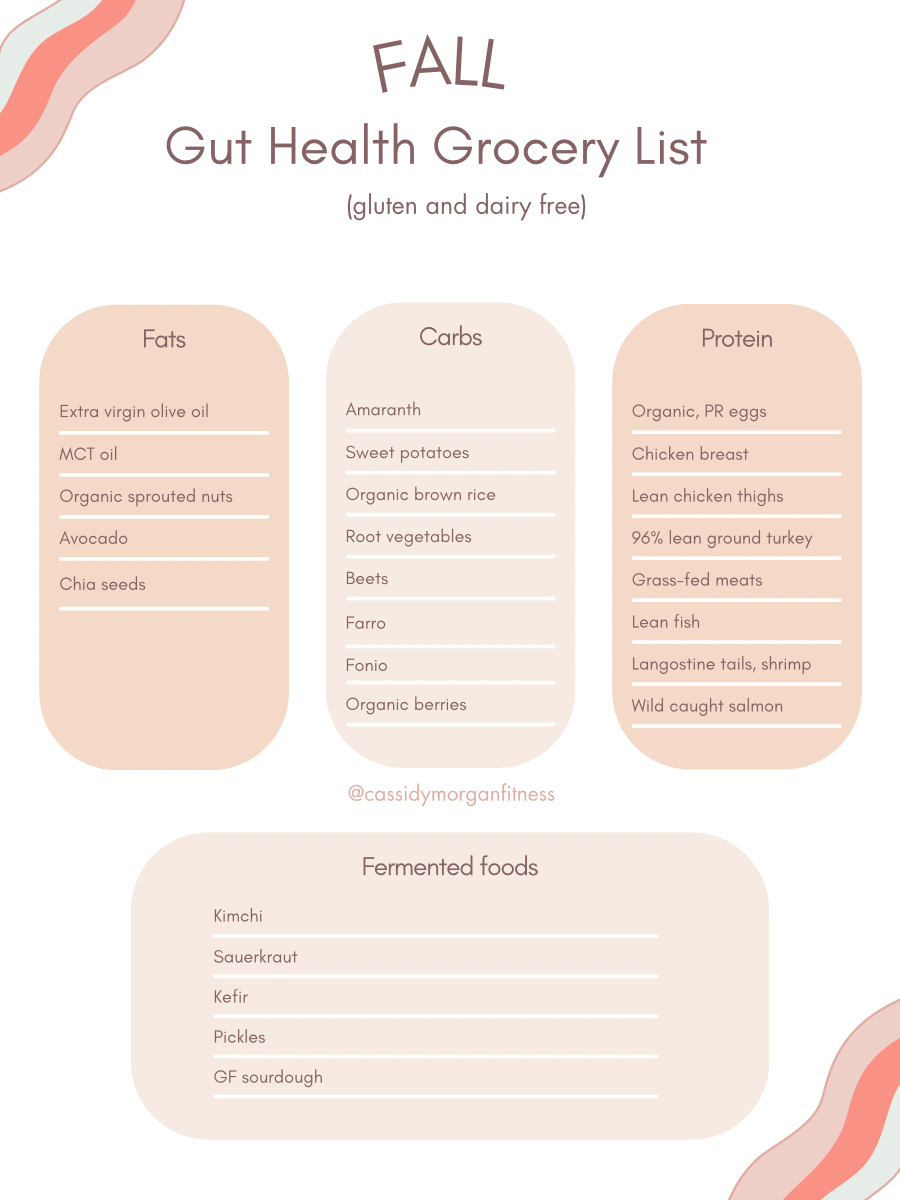
Instead of loading up on empty calories and lighter, leafier vegetables, fall is the best time to take advantage of live probiotics and rich, fibrous vegetables.
Fermented vegetables contain probiotics and prebiotics that not only support your gut microbiome but also boost your immune system in a timely manner to protect you against those nasty colds and flus of the season that are not only a drag but end up being the BIGGEST INCONVENIENCE when trying to have productive days.
Root vegetables like sweet potatoes, carrots, beets and turnips are excellent sources of fiber, antioxidants and natural polyphenols that help warm the body. Fiber promotes healthy digestion and helps regulate blood sugar to keep you fuller for longer, which is ideal during the colder months when our appetite tends to increase.
Combining fermented foods with nutrient-dense vegetables improves the body’s ability to digest and absorb nutrients from these heartier foods so you can enjoy those vibrant fall flavors WITHOUT having to worry about bloating.
FROM COOLING TO WARMING
As temperatures drop, our metabolism adapts to the cooler weather and our bodies naturally crave heat and need more energy to maintain it. A great way to satisfy this craving is to enjoy cooked, warming foods, which also stimulate circulation and improve digestion.
Make it exciting! Pull out the cozy blankets (thanks to Lauryn for getting me hooked on Barefoot dreams blanket), add warming spices like cinnamon, turmeric and ginger to enhance your meals, prepare a DIY bone broth, hot chocolate to sip by the fire… add sex to your routine.
More tips:
Replace salads with warm, comforting salads cereal bowls
Make hearty soups and stews
Roast, bake or steam vegetables
Incorporate warming spices into your cooking
If you’re looking for support on your wellness journey and more concrete advice, follow my fitness pageand check my app (first week free)! To inquire about 1:1 virtual training or personalized meal plans, email kmetzcassidy@gmail.com.
+++
Be sure to follow Cassidy for tons of tips and give her a read first blog post if you like weightlifting. As you may know, this completely changed Lauryn’s self-confidence, body composition and all life.
x, The Skinny Confidential team
+ Discover Lauryns immune support toolkit.
++ Discover the importance of scar mobilization here.
IMPROVE YOUR MOOD:


The position Preventing seasonal effects on your mood with food appeared first on The skinny confidential.