technology

Moonshot 2026: ‘Africa must move from content creation to value capture’ — Tech leader Juliet Ehimuan
Moonshot 2026: ‘Africa must move from content creation to value capture’ — Tech leader Juliet Ehimuan

By Efosa Taiwo Juliet Ehimuan, founder of Beyond Limits and former Director of Google West Africa, has urged African creatives and technology entrepreneurs to move beyond content creation to building sustainable businesses that own intellectual property and capture value from their work. We should move from content creation to IP,” Ehimuan said.

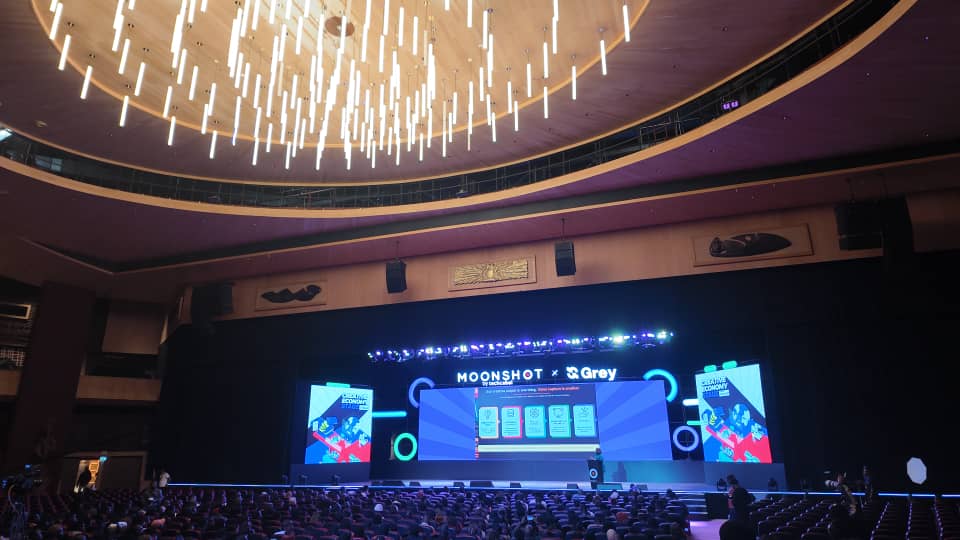
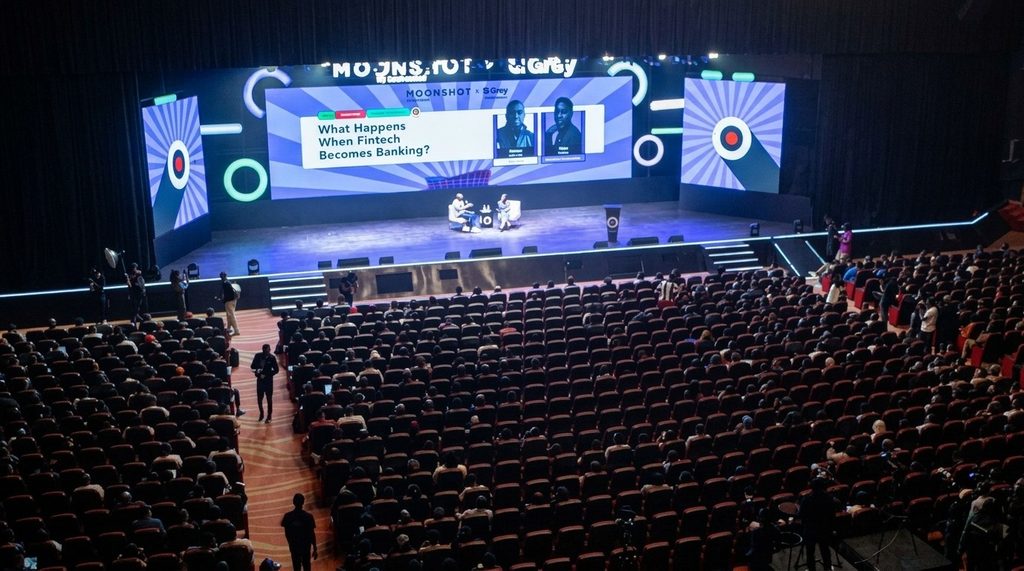
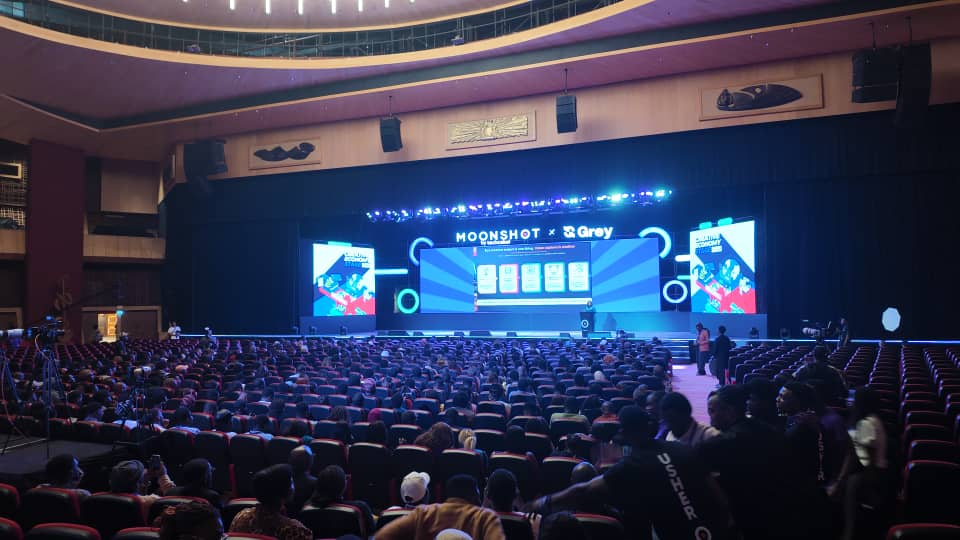
By Efosa Taiwo Juliet Ehimuan, founder of Beyond Limits and former Director of Google West Africa, has urged African creatives and technology entrepreneurs to move beyond content creation to building sustainable businesses that own intellectual property and capture value from their work. Ehimuan made the call while speaking on artificial intelligence (AI) and the future of African creativity at Moonshot 2026 during a keynote speech on Thursday.

She said Africa’s creative economy remained underdeveloped, stressing the need to turn the continent’s creative talent into commercially viable enterprises capable of generating greater economic value. “Our creative economy is still less than 2% of GDP,” she said, highlighting the need for a shift from producing content to building businesses around it.

According to her, African creators must focus on owning the intellectual property behind their work and exploring different ways to commercialise it. “We need to move from content creation to value capture. We need to move from having creative talents to building enterprises. We should move from content creation to IP,” Ehimuan said. She explained that intellectual property ownership could open up multiple revenue streams, noting that a book could be adapted into a series, while a podcast could generate additional commercial opportunities.

“There are so many ways to monetise content if you have the IP for that,” she said, emphasising the importance of owning intellectual property and the infrastructure needed to distribute and commercialise creative products. Ehimuan outlined three priorities for Africa’s creative and technology sectors: adopting and developing AI capabilities, building and owning valuable assets, and establishing businesses capable of reaching wider markets.

On AI adoption, she encouraged African businesses to develop their capabilities and stay ahead of technological changes, noting that the technology could improve productivity and create new opportunities across industries. She also urged creators and businesses to protect their rights and permissions while developing distinctive intellectual property that could be commercialised over time.

  • ehimuan
  • africa
  • creation
  • capture
  • content
  • business
  • property
  • moonshot

Summaries and tags are generated automatically. Stay informed with VidiaNews.

Related news

Photos: Tech, AI, creative economy dominate conversations on Day 2 of Moonshot 2026
technology

Photos: Tech, AI, creative economy dominate conversations on Day 2 of Moonshot 2026

Day two of Moonshot by TechCabal 2026 brought together technology leaders, startup founders, creatives, investors and industry professionals for conversations on the future of Africa’s digital economy, with sessions spanning artificial intelligence, financial technology, the creative economy and emerging technologies. The event featured multiple stages, including the Startup Stage, Emerging Tech Stage and Creative Economy Stage, where speakers explored the opportunities and challenges shaping Africa’s technology and business landscape.

Read →
Digital divide could become new colonialism — Russia warns
world

Digital divide could become new colonialism — Russia warns

Offers AI research partnership to Africa By Nkiruka Nnorom Russia has warned that unregulated development of Artificial Intelligence, AI, risks deepening global inequality and creating a new form of colonialism, with Africa at risk of becoming a raw-material appendage of the AI economy. Akulchev disclosed that within framework of Russia-Africa summit, a separate declaration on AI has been agreed, which enshrines right of each country to independently determine its policy in this area and supports multilingual solutions, including Swahili, Yoruba, Hausa, Amharic and Zulu.

Read →
AngloGold Ashanti Obuasi Mine to host maiden West Africa Mine rescue competition from November 2
technology

AngloGold Ashanti Obuasi Mine to host maiden West Africa Mine rescue competition from November 2

AngloGold Ashanti’s Obuasi Mine and Endeavour Mining will jointly host the 2026 West Africa Mine Rescue and Emergency Response Competition (WAMRERC) from November 2 to 6 in Obuasi, Ghana, in an initiative aimed at strengthening mine safety and emergency preparedness across the region. The joint hosting by AngloGold Ashanti’s Obuasi Mine and Endeavour Mining also highlights the role of collaboration in strengthening safety standards and emergency response systems within the regional mining industry.

Read →
What is it like to work when your co-workers are AI agents?
technology

What is it like to work when your co-workers are AI agents?

Using AI for roles from executive assistants to chiefs of staff, companies are boasting about doing more with less, creating tension with their human workers On an average workday, Dhruv Amin chats with dozens of colleagues to get things done at his AI startup Anything. If the office runs out of snacks, he sends a Slack message to Justin, the office manager charged with stocking the kitchen.

Read →
The Guardian view on online harms: Ofcom is failing at its job
technology

The Guardian view on online harms: Ofcom is failing at its job

Expressions of disappointment are not an adequate response to the concerning lack of safety improvements for children on social media One thing is clear following last week’s report from the media regulator, Ofcom: the mammoth task of protecting children from online harms has barely begun. In a grim irony, Ofcom’s report appeared one day after a coroner in Norfolk ruled that suicide imagery viewed on TikTok “may have played a significant part” in the decision by a 14-year-old girl to take her own life in May.

Read →