How exiting governors are plotting next big fight

County chiefs weigh their options ahead of the August 2027 elections.
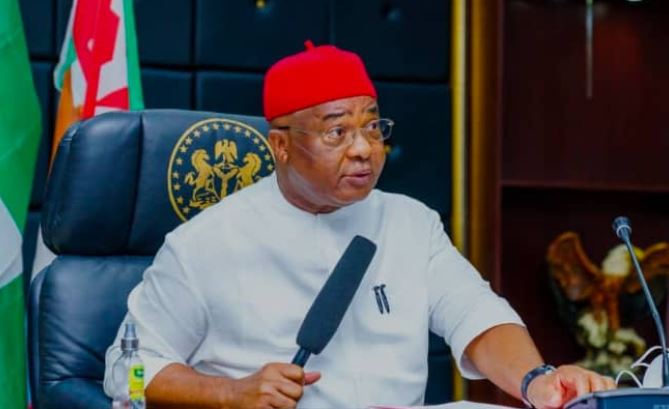
Outgoing Chairperson of the Council of Governors and Wajir Governor Ahmed Abdullahi (right) hands over the mantle of leadership to the incoming chairperson Tharaka Nithi Governor Muthomi Njuki (centre), as newly elected Chairperson and Bungoma Governor Kenneth Lusaka look in Nairobi on October 12, 2026.
The countdown to the 2027 General Elections has triggered a scramble for political survival for at least 17 governors serving their final terms, with some eyeing Parliament as others seek higher office while a few consider retirement from elective politics.
But even as the county chiefs plot their next moves, a fresh battle is taking shape in the Senate where a proposed law seeks to bar former governors from immediately contesting Senate or county assembly seats, forcing them to wait five years after leaving office.
The Constitution of Kenya (Amendment) Bill, 2026, sponsored by Kirinyaga Senator Kamau Murango, has opened a new front in the contest over the political future of governors, raising questions about their right to seek elective office and whether they should be allowed to join the very institutions that oversee their tenure.
The proposal comes as the governors, many of them pioneer county chiefs who have spent a decade in office, weigh their options ahead of the August 2027 elections.
The Senate is emerging as the preferred destination for several of them while others are positioning allies to succeed them in an effort to retain influence in their counties.
The 17 governors serving their final terms are Ken Lusaka (Bungoma), Joshua Irungu (Laikipia), Simon Kachapin (West Pokot), Julius Malombe (Kitui), Ahmed Abdullahi (Wajir), Issa Timamy (Lamu), Mohamud Ali (Marsabit), Nathif Jama (Garissa), Anyang’ Nyong’o (Kisumu), Anne Waiguru (Kirinyaga), Stephen Sang (Nandi), Joseph Ole Lenku (Kajiado), Dhadho Godhana (Tana River), Mutahi Kahiga (Nyeri), Muthomi Njuki (Tharaka Nithi), Wilber Ottichilo (Vihiga) and Hillary Barchok (Bomet).
Read: Bill seeks to bar former Governors from vying for MP, MCA positions for five years
While some have declared their ambitions, others are still consulting, testing the political waters or seeking to shape succession arrangements before leaving office.
Governor Abdullahi has made his bid for the Wajir Senate seat public after recently completing his final term as chairperson of the Council of Governors (CoG). He first served as governor from 2013 to 2017 before returning to office for a second term in the 2022 elections.
His successor at the CoG, Tharaka Nithi Governor Muthomi Njuki, is also eyeing the county’s Senate seat. He wants to replace incumbent Senator Mwenda Gataya, who is seeking election to the National Assembly.
Kirinyaga Governor Anne Waiguru, meanwhile, has set her sights higher, having declared interest in becoming Deputy President in 2027.
She dismissed suggestions that governors approaching the end of their terms face a political dilemma, arguing that they have always known their tenure is limited to two terms.
“I have publicly stated that I have expressed my interest in serving as the Deputy President in 2027. I believe that after serving as a senior civil servant, including as a minister, governor and chairperson of CoG, I have the competence and capacity to play a role in the governing of the country,” she said.
Governor Waiguru argued that transitioning to a higher office should not be difficult for a leader with the necessary experience and capacity.
“As for missing out, there are various considerations for being selected and therefore when the appropriate time comes, discussions and negotiations will occur within our team. I believe there is enough space for all of us to serve in different capacities for the good of Kenya,” she said.
In Kajiado, Governor Joseph ole Lenku’s Senate ambitions have been complicated by his falling out with the Orange Democratic Movement (ODM) which he has threatened to abandon if the party continues to sideline him.
ODM and President William Ruto’s United Democratic Alliance (UDA) are reportedly negotiating a political arrangement under which ODM would field a candidate for governor while UDA takes the Senate seat. The proposed arrangement has met resistance from Mr Lenku whose Senate ambitions could be undermined by the deal.
“ODM will close shop in Kajiado County. We are the people who brought ODM here and made it respected. We are, however, ready to leave it if the party continues to betray us,” the governor said recently.
Read: Governors position themselves for Senate seats as 2027 campaigns gather pace
Nyeri Governor Mutahi Kahiga is also eyeing the Senate arguing that his decade at the helm of the county has equipped him to defend devolution and challenge interference by the national government.
“No one is better equipped to fight for devolution than a governor who has been heading a county for 10 years. There are several gaps we have noticed, such as interference by the national government and resources which have not followed devolved functions, that we are coming to fight for,” Mr Kahiga told the Daily Nation.
He cited former Mandera Governor and current Senator Ali Roba as an example of a former county chief who has pushed for devolution in the Senate but struggled to secure sufficient support.
“We are coming to offer him the necessary support,” Mr Kahiga added.
Beyond their own ambitions, some governors are seeking to influence succession contests by backing preferred candidates, allowing them to preserve political influence after leaving office.
In Garissa, Governor Jama has declared his intention to contest the Senate seat in 2027. He has also endorsed the incumbent senator Abdulkadir Haji to succeed him as governor. Mr Haji is the son of the late Cabinet minister and former provincial administrator Yusuf Haji.
Tana River Governor Dhadho Godhana is also seeking the Senate seat where he is expected to face his political rival, incumbent Senator Danson Mungatana. Godhana has endorsed Galole MP Said Hiribae as his preferred successor.
In Bomet, Governor Hillary Barchok and former governor Isaac Rutto have struck a political arrangement ahead of the 2027 elections. Mr Barchok is backing Mr Ruto’s bid to reclaim the governorship while the former governor is supporting Barchok’s Senate ambitions.
Rutto served as governor from 2013 to 2017 before losing the seat to the late Joyce Laboso.
“He who wishes elected leaders well is also fit to lead. Those who cause trouble for the chosen leaders are unfit to lead. For the respect Mzee (Rutto) has shown me, I will also respect and support him for a second term,” Mr Barchok said recently as he endorsed Rutto and declared his Senate bid.
Bungoma Governor Ken Lusaka, meanwhile, is backing Kimilili MP Didmus Barasa as his preferred successor while coordinating President Ruto’s re-election campaigns in Western Kenya. Mr Lusaka has yet to declare whether he will seek another elective position.
Kitui Governor Julius Malombe has also been weighing a Senate bid with incumbent senator Enoch Wambua seeking to replace him as governor. Governor Malombe says pressure from residents has influenced his decision to consider the race.
“The people are pushing me to go for the Senate seat and I want to tell them that I will not let them down. I will be going for the seat and I expect free and fair primaries in the Wiper party,” he said recently.
For other governors, the next move remains uncertain.
Marsabit Governor Mohamud Ali told the Daily Nation that he was focused on completing his term and would make a decision on his political future by December or, at the latest, January.
“I am currently delivering on my mandate and I don’t want to be distracted, but we will come to a decision on what next by December or latest January. The county leadership and the community are still discussing the way forward,” he said.
Kisumu county boss Anyang’ Nyong’o, who was recently appointed by President Ruto to lead Kenya’s Vision 2060 strategic working group, has ruled out seeking another elective seat.
“I will not be going for any political seat, but what I am going to do next is my personal affair,” he told the Daily Nation.
Vihiga Governor Wilber Ottichilo has also publicly said he will not seek an elective position in next year’s elections.
Nandi Governor Stephen Sang, who had been eyeing Aldai MP Marianne Kitany’s seat, recently abandoned the plan, saying President Ruto had directed him to focus on national politics.
Meanwhile, Laikipia Governor Joshua Irungu is yet to decide whether or not to contest the Senate seat or step back from elective politics and influence events from outside Parliament.
Read: Second-term governors handpick successors to protect legacy
He said his immediate priority is to complete his term by fulfilling the promises he had made to Laikipia residents.
“The position of Senate is not a do-or-die affair. I am still consulting whether to go for it or just influence politics in the county outside being an elected member. However, if going for the Senate seat will be of value to the people, then I will go for the seat,” Irungu said.
Governors Simon Kachapin and Issa Timamy have also yet to publicly declare their next political moves.
As the governors weigh their options, senator Murango’s Bill could complicate their plans by imposing a five-year waiting period before former governors can contest Senate or county assembly seats.
The Constitution of Kenya (Amendment) Bill, 2026, which is awaiting its second reading in the Senate, seeks to amend Articles 99 and 193 of the Constitution and sections 24 and 25 of the Elections Act to disqualify serving governors, as well as those who have left office within the five years preceding an election, from contesting for seats in the Senate or county assemblies.
Mr Murango argues that governors should not be allowed to move directly into institutions responsible for scrutinising their financial and administrative decisions while questions arising from their tenure remain unresolved.
Under the current system, governors are accountable to county assemblies and the Senate on matters relating to county administration and public finances. Audit reports prepared by the Office of the Auditor-General are among the tools used by the oversight bodies to scrutinise their performance.
Senator Murango says a ‘cooling-off’ period would give the relevant institutions time to investigate outstanding questions without interference from former governors who might subsequently become legislators or assume leadership positions in the Senate.
He argues that the proposed restriction would help prevent conflicts of interest particularly where former governors are elected to the very institutions responsible for examining their conduct in office.
The senator cited former Kilifi Governor and current Senate Speaker Amason Kingi, former Uasin Gishu Governor and Senator Jackson Mandago, and former Mandera Governor Ali Roba as examples of the challenges he says can arise when former county chiefs enter the Senate.
“We have had issues in Kilifi, Uasin Gishu and Mandera that we could not deal with because the individuals supposed to answer the queries are either heading the same Senate committees or, in the case of Kingi, are the Speaker,” Murango posed.
He said he had faced pressure from several quarters to withdraw the Bill but would not abandon the proposal, adding that the senate become a “retirement home for former governors” or a house to “protect their loot”.
But the proposal is not new. In 2023, former Trans-Nzoia Senator Michael Mbito who served as senator from 2017 to 2022, sponsored a similar constitutional amendment, which also sought to bar former governors from contesting for the presidency. The Senate Justice and Legal Affairs Committee, then chaired by Nyamira Senator Okong’o Omogeni, rejected the proposal.
Read: Pioneer governors eyeing comeback after 10 years in the cold
In 2024, Nominated Senator Raphael Chimera sought to revive the initiative but it faced fierce opposition from a majority of senators.
Opponents argued that the proposed restrictions would limit the political rights and freedoms of former governors by preventing them from seeking elective office.
Governor Kahiga has challenged the premise of Murango’s proposal arguing that it unfairly portrays governors as leaders who must be kept out of Parliament to avoid scrutiny.
“Why are we trying to demonise governors? It is like saying all governors have stolen. Anyway, nothing stops a governor from answering queries regarding his tenure. I don’t get immunity just because I have been elected a senator,” he said, adding that the proposal could be driven by political rivalries and selfish interests.
Governor Kihika is fighting to break the one-term curse that befell her predecessors, amid unfolding political realignments.
Tharaka Nithi governor succeeds Wajir’s Ahmed Abdullahi after Monday elections.
Out of the 29 governors seeking re-election, only 19 have not had a run-in with their deputies.
Those seeking to succeed governors serving their last terms are invoking regional and clan dynamics to rally support.
Bill seeks to scrap interests on loans advanced to university students below 18 years.
At Moi University, the latest nationwide lecturers’ strike is only part of the problem.
Firms seeking to step up the rollout of micro pension plans.
- exiting
- fight
- governor
- county
- chief
- option
- august
- election