business

NESG: Nigeria’s high production costs threaten industrial competitiveness
NESG: Nigeria’s high production costs threaten industrial competitiveness

Nigeria’s high production costs threaten industrial competitiveness. By Favour Ulebor The Nigeria Economic Summit Group has warned that high production costs, unreliable electricity and poor logistics infrastructure are undermining Nigeria’s industrial competitiveness, calling for a council within the Presidency to coordinate industrialisation policies.

By Favour Ulebor The Nigeria Economic Summit Group has warned that high production costs, unreliable electricity and poor logistics infrastructure are undermining Nigeria’s industrial competitiveness, calling for a council within the Presidency to coordinate industrialisation policies. Co-facilitator of the NESG, Lumun Feese, said Nigeria needed a coordinated approach to industrial development to address structural challenges and enable local manufacturers to compete effectively in African markets.

She spoke at a breakout session on building an integrated industrial ecosystem during the 32nd Nigeria Economic Summit in Abuja. Feese said Nigeria had dropped from eighth to 14th position on the African Development Bank’s Africa Industrialisation Index, although she noted that the methodology had changed and more countries had been included in the latest ranking.

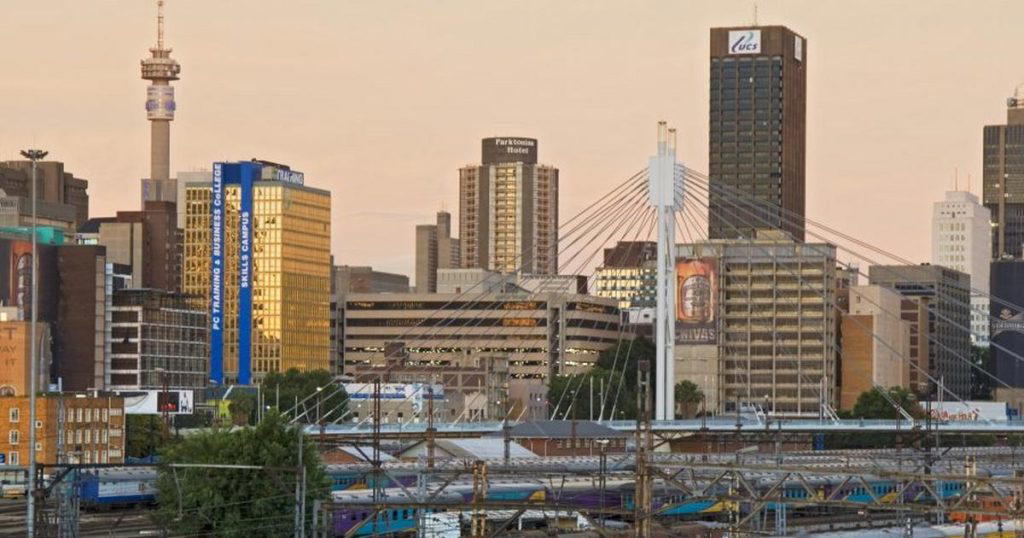
She said, “We are not maximising our potential and our large economy. “How do we go and compete in South Africa when our cost of production is so high? Feese said the proposed industrialisation, competitiveness and regional integration council would provide a central coordinating platform within the Presidency to align government policies, improve implementation of the National Industrial Policy and strengthen private-sector participation.

She said Nigerian businesses needed reliable power, efficient transportation systems and lower production costs to take advantage of the African Continental Free Trade Area, which offers access to a wider continental market. Feese said the recommendations followed consultations on mining, the blue economy, power, oil and gas, and industrial competitiveness.

She urged businesses and other stakeholders to sustain their engagement with the NESG’s Industrial Policy Commission, saying coordinated policies and consistent implementation were necessary to achieve measurable industrial growth. Other stakeholders at the session identified limited access to finance, skills shortages, regulatory bottlenecks, security concerns and inadequate export infrastructure as major obstacles to industrial growth.

Special Assistant on Strategy to the Minister of State for Industry, Gerald Okunsebor, called for greater awareness of the National Industrial Policy and a clear implementation framework with defined responsibilities, timelines and accountability mechanisms. He said a central knowledge-management system was also needed to ensure continuity in industrial development policies across successive administrations.

  • nigeria
  • production
  • competitiveness
  • policy
  • nesg
  • industrial
  • cost
  • feese

Summaries and tags are generated automatically. Stay informed with VidiaNews.

Related news

Mahama demands faster port clearance to cut business costs
business

Mahama demands faster port clearance to cut business costs

President John Dramani Mahama has tasked the Ministers of Trade and Industry and Transport to tackle delays at the country’s ports, saying inefficiencies in the movement of goods are eroding the competitiveness of Ghanaian businesses. At the awards ceremony, Newmont Ghana Gold Limited emerged as the top-ranked company in the Ghana Club 100, with MTN Ghana placing second and Gold Fields Ghana Limited taking third place.

Read →
BoI seeks stronger partnerships to drive green industrialisation
business

BoI seeks stronger partnerships to drive green industrialisation

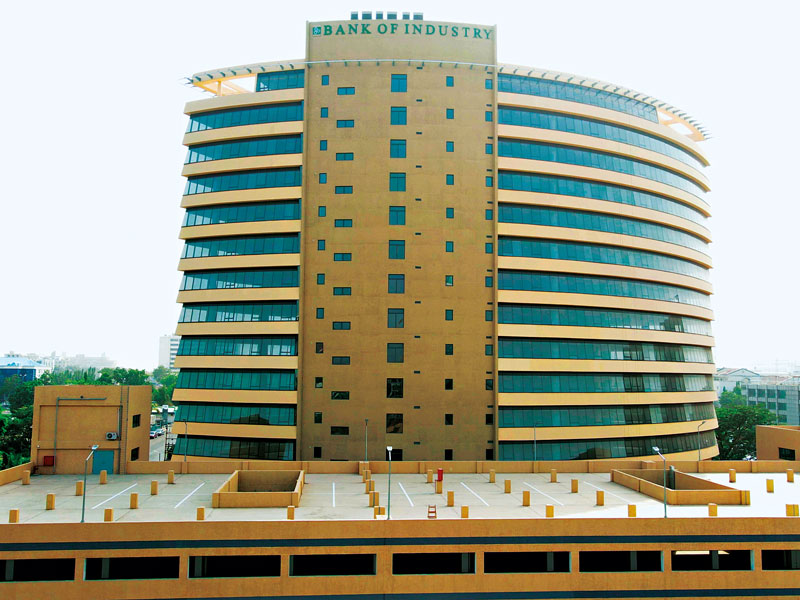
By Yinka Kolawole The Bank of Industry (BoI) has called for stronger collaboration among government, financial institutions, development partners and the private sector to accelerate green industrialisation, cut production costs and strengthen the competitiveness of Nigerian businesses. Managing Director/Chief Executive Officer of BoI, Dr Olasupo Olusi, made the call at the second edition of the Bank’s Sustainability Conference, themed, “Green, Resilient, Profitable: Redefining Nigerian Businesses for a Sustainable World.”

Read →
World Bank threatened to cut Nigeria’s financing over subsidy — Fashola
politics

World Bank threatened to cut Nigeria’s financing over subsidy — Fashola

Former Lagos State Governor, Babatunde Fashola, has said the World Bank warned Nigeria that it would stop financing the country unless the Federal Government removed petrol subsidy. Fashola urged Nigerians to revisit President Bola Tinubu’s inaugural address, arguing that public attention had focused largely on the declaration that “subsidy is gone” without sufficient consideration of other parts of the speech.

Read →
2027: Reject corrupt candidates, end imposition, Maho tells parties
politics

2027: Reject corrupt candidates, end imposition, Maho tells parties

By Favour Ulebor, Abuja Ahead of the 2027 general elections, political analyst and lecturer at the International Institute of Journalists, Dr Austin Maho, has urged political parties to reject corrupt candidates, end the imposition of party leaders and introduce strict disciplinary measures to strengthen Nigeria’s democracy. Maho made the call on Wednesday in Abuja at the International Stakeholders Engagement Forum on Anti-Corruption, Party Building and Democratic Governance, organised by the Diplomatic Correspondents Association of Nigeria (DICAN).

Read →
Atiku’s subsidy restoration plan is ‘abracadabra’ — Fashola
politics

Atiku’s subsidy restoration plan is ‘abracadabra’ — Fashola

…Demands figures, details on funding, crude oil supply Former Lagos State Governor, Babatunde Fashola, has described former Vice-President Atiku Abubakar’s proposal to restore petrol subsidy as “abracadabra without proof”, challenging him to provide details of how he intends to implement the policy if elected president in 2027. He said Atiku needed to provide evidence and demonstrate how his proposal would address the country’s crude oil supply constraints to avoid disappointing Nigerians.

Read →
SIFAX boss advocates adequate storage to boost food production
business

SIFAX boss advocates adequate storage to boost food production

By Kafayat Kokumo Chairman of SIFAX Group, Dr Taiwo Afolabi, has called for adequate infrastructure for storage and distribution in order to increase the economic benefits of increased food production. Represented by the Deputy Director, Strategy and Operations, Oliver Omajuwa, SIFAX Group, Afolabi said that investments in agricultural logistics were critical to connecting production centres with processing facilities, retail markets and export channels.

Read →