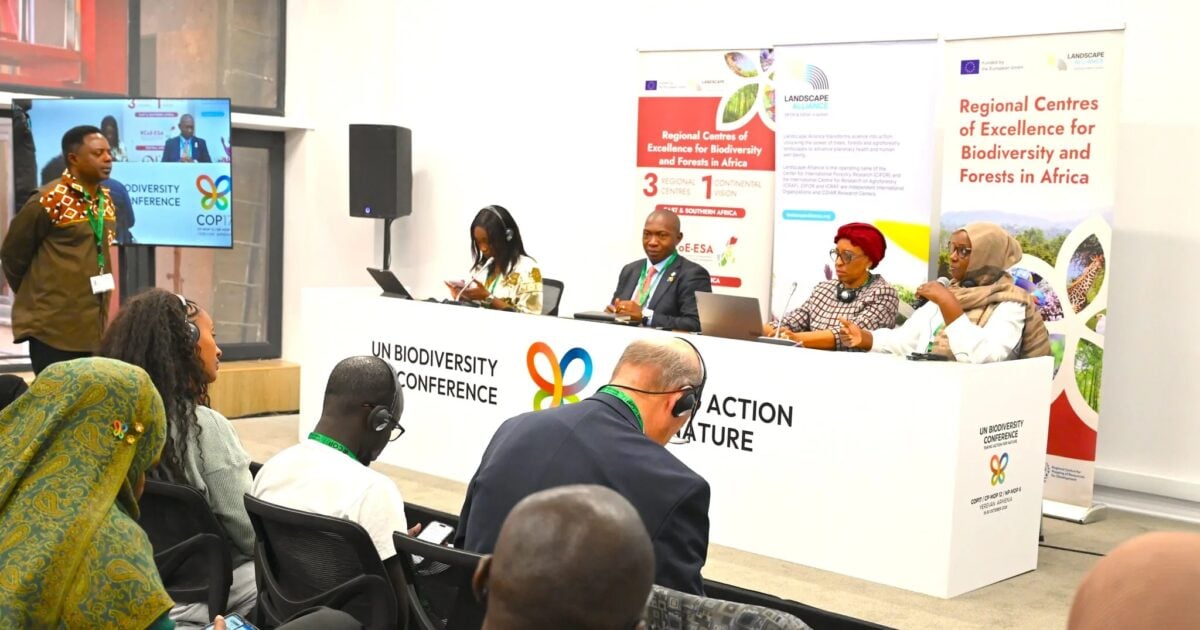
Biodiversity Cop17 seems to be stalling. Is it time to reform the process?

But spend any time at biodiversity Cop17 in Armenia and it is clear that the world’s attention is elsewhere. Heat killed ‘staggering’ 50,000 people in Europe’s cities this summer, scientists warn Angry Labour MPs urge leadership not to overrule energy secretary on Rosebank Continue reading...
In this week’s newsletter: There are too many meetings, and not enough decisions, say experts – and time is running out
Don’t get Down to Earth delivered to your inbox? Sign up here
When things are not going well at an environmental summit, organisers often tell delegates that the “world is watching” in an attempt to focus minds. But spend any time at biodiversity Cop17 in Armenia and it is clear that the world’s attention is elsewhere.
The negotiating halls of Yerevan’s Meridian centre are subdued. Environment ministers have arrived from all corners of the world to plan their response to being so far behind the biodiversity targets they agreed four years ago. Right now, they appear on track to miss nearly all of them. They risk continuing the miserable record of never having met a biodiversity target they have set for themselves.
More from Cop17, after this week’s most important reads.
The climate crisis will destroy our economies – we learned this 20 years ago. When will we act?
Heat killed ‘staggering’ 50,000 people in Europe’s cities this summer, scientists warn
Angry Labour MPs urge leadership not to overrule energy secretary on Rosebank
I write this during a good week for the environment. Lula’s incredible comeback in the Brazilian presidential election will probably guarantee four more years of low deforestation rates in their part of the Amazon rainforest, one of the most alive places on our planet. Serbia’s new Student List government could tackle the country’s dreadful environmental record. But these hard-won achievements have little to do with the increasingly fractured multilateral process.
In a side room on Wednesday, I sat down with Inger Andersen, the executive director of the UN environment programme, to discuss how the process could be reformed. The organisation is working with governments to streamline the sprawling set of agreements and bodies that make up the global environmental calendar, in an attempt to improve their impact.
“The process is delivering but it’s going too slowly. This is what the secretary-general [António Guterres] said when he was here: ‘Thank you. Good. Do more, but faster, because we are not where we want to be’,” she said.
Implementation has always been one of the most challenging parts of any Cop process. Painfully negotiated agreements lack ways to meaningfully highlight which countries are falling behind or punish bad behaviour. It will always be up to national governments to deliver on their promises.
During the climate Cop29 in Azerbaijan in 2024, leading policy experts called for a radical overhaul to climate summits, describing the process as “no longer fit for purpose”. They said they needed to shift from a focus on negotiation to implementation, and argued that only the most environmentally ambitious countries should host, although some in the group later walked back on that statement.
Even so, they are not alone in their calls for reform of the international patchwork of agreements and initiatives.
“Right now, the environmental agenda is very cluttered. There are lots of meetings, important as each one is. It will be very interesting for members states to look at the issue. Let’s begin with the easy stuff, like programmatic overlap between conventions, which has an energy-sapping effect,” said Andersen.
“We identified the illegal wildlife trade back in the 70s as a problem, then we identified migratory species, then broader biodiversity, then wetlands. Each of these conventions came along at the right time, but we now have a plethora of them. Maybe we should think about that,” she said.
By the end of Friday, governments are scheduled to sign off an action plan to get back on target with this decade’s biodiversity targets. Few in Yerevan are expecting major moves. But without change soon, calls to reform the Cop process will only grow louder. The health of the planet demands it.
Four years ago countries made a historic deal to save nature. Is it dead in the water? World’s climate fight needs fundamental reform, UN expert says: ‘Some states are not acting in good faith’ Cop summits ‘no longer fit for purpose’, say leading climate policy experts
- biodiversity
- time
- world
- process
- target
- newsletter
- meeting
- decision