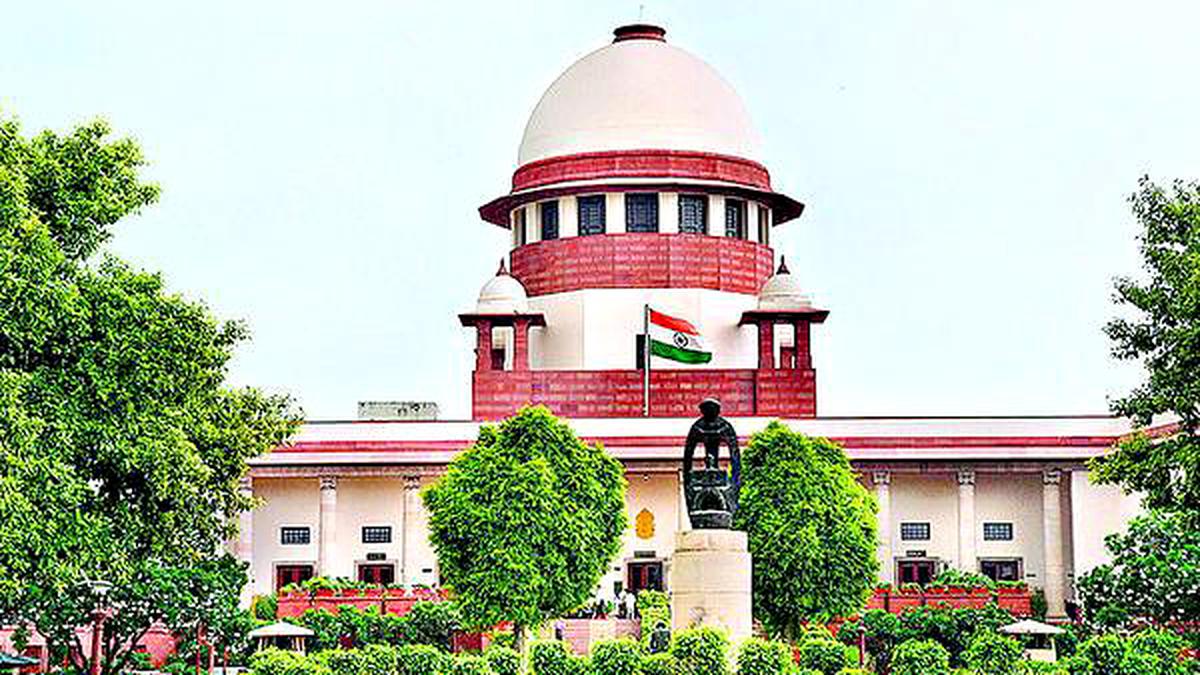
Police Commission heads to Supreme Court over police recruitment ruling

NAIROBI, Kenya, Oct 30 – The National Police Service Commission (NPSC) has filed a notice of appeal at the Supreme Court challenging a Court of Appeal ruling that upheld the Inspector-General’s independent command over police officers, including recruitment and promotions. NPSC Chairperson Amani Yuda Komora said in a statement on Friday the commission was seeking the Supreme Court’s interpretation of the constitutional provisions governing the respective mandates of the commission and the Inspector General.
NAIROBI, Kenya, Oct 30 – The National Police Service Commission (NPSC) has filed a notice of appeal at the Supreme Court challenging a Court of Appeal ruling that upheld the Inspector-General’s independent command over police officers, including recruitment and promotions.
NPSC Chairperson Amani Yuda Komora said in a statement on Friday the commission was seeking the Supreme Court’s interpretation of the constitutional provisions governing the respective mandates of the commission and the Inspector General.
“The Commission has since filed a Notice of Appeal to obtain that clarification in the public interest,” Komora said.
The move follows the Court of Appeal’s October 16 decision dismissing consolidated appeals by the commission and the Law Society of Kenya (LSK), thereby upholding an Employment and Labour Relations Court ruling delivered on October 30, 2025.
A three-judge bench comprising Justices Patrick Kiage, Jamila Mohammed and Jessie Lesiit dismissed the appeals in their entirety, affirming that the Constitution places the recruitment, training, employment, deployment, promotion, suspension and dismissal of sworn police officers under the National Police Service, subject to the Inspector-General’s independent command.
The appellate court held that the commission’s human resource management powers under Article 246(3) of the Constitution apply to civilian personnel serving within the police service, rather than uniformed officers.
In its statement, the NPSC said the dispute raised significant constitutional questions concerning the separation of powers between the commission and the Inspector-General.
“The judgment raises weighty constitutional questions about the interpretation of Articles 245, 246 and 249, and the safeguards intended to promote fairness, meritocracy, accountability and professionalism in the Service,” Komora said.
The commission said the questions extended beyond human resource functions, with implications for constitutional governance and the future of police reforms.
It argued that Articles 245 and 246 establish distinct but complementary responsibilities, with Article 245 safeguarding the Inspector-General’s independent command and Article 246 providing for the commission’s human resource management mandate.
The commission also cited Article 249, which requires constitutional commissions to protect the sovereignty of the people, secure observance of democratic values and principles, and promote constitutionalism.
Article 249(2) further safeguards the independence of constitutional commissions in carrying out their mandates, it noted.
The Court of Appeal had affirmed the lower court’s decision declaring unconstitutional the commission’s September 19, 2025 advertisement for the recruitment of police constables and Legal Notice No. 159 of 2025, which provided for the commission’s recruitment process.
The dispute originated from a petition by businessman and former legislator John Harun Mwau challenging the commission’s authority to recruit police constables. The resulting ruling prompted appeals by both the NPSC and LSK.
In February 2026, the Court of Appeal temporarily suspended parts of the earlier judgment concerning the Inspector-General’s exclusive authority over police promotions and dismissals pending determination of the appeals.
The October 16 judgment subsequently dismissed the appeals and upheld the lower court’s declarations.
Despite challenging the ruling, the commission said it respected judicial decisions and remained committed to constitutionalism and the rule of law.
“The Commission respects the decisions of the courts and remains committed to the Constitution and the rule of law,” Komora said.
He added that the appeal was not intended as an institutional contest or an attempt to interfere with the Inspector-General’s independent command, but was aimed at clarifying the respective constitutional responsibilities of the institutions.
“It seeks clarity on the respective constitutional responsibilities of the institutions and the preservation of the checks and balances established under the Constitution,” the statement said.
The commission reaffirmed its commitment to police reforms, saying it would continue working with stakeholders to promote professionalism, accountability and effective policing.
It said it remained committed to safeguarding gains made in police reforms and promoting a professional, impartial and accountable National Police Service that upholds the rule of law and commands public confidence.
- commission
- court
- police
- appeal
- recruitment
- ruling
- inspector
- general