politics

Government targets 70% local medicine production as manufacturers seek funding

Government targets 70% local medicine production as manufacturers seek funding

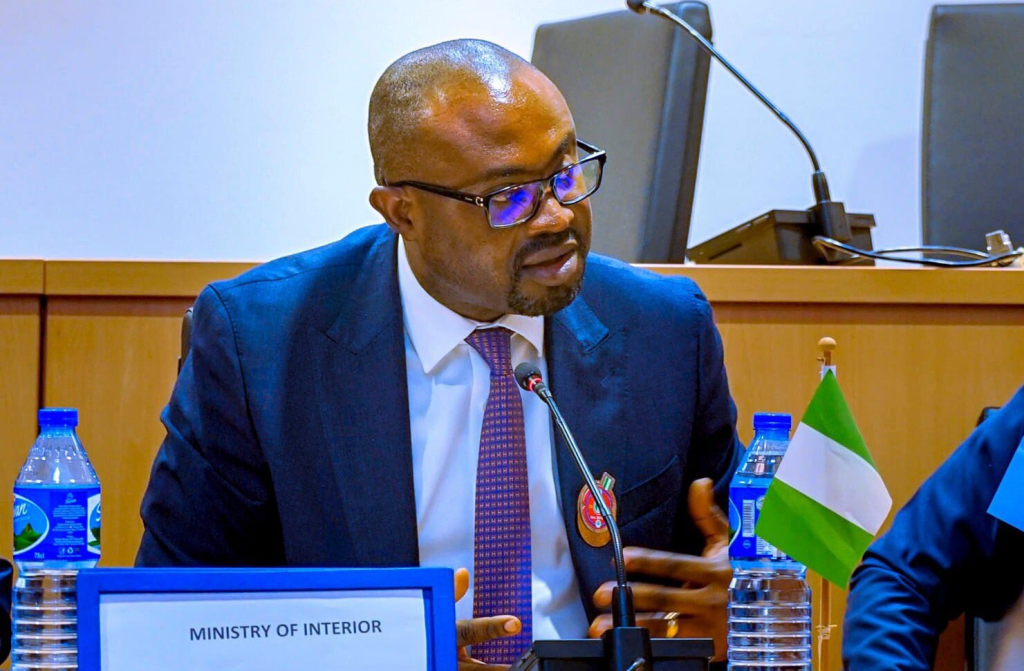
Director of Technical Coordination at the Ministry of Health, Dr Hafez Adam Taher, who represented the Minister of Health at the opening of the West African Postgraduate College of Pharmacists (WAPCP) Ghana Chapter Annual General Meeting in Accra, said Ghana’s reliance on imported medicines leaves the country vulnerable to external supply disruptions. Presidential Coordinator for the Ghana Pharmaceutical Hub, Dr Bernice Makafui Brempong, said the ambition is to reverse the current production-import balance by increasing local production from 30 per cent to 70 per cent.

Government is targeting a significant increase in local medicine production, with an ambition to raise the country’s capacity from about 30 per cent to 70 per cent and reduce dependence on imported medicines.

The move is expected to strengthen medicine security and improve access to essential medicines, as manufacturers call for increased financing to expand production and develop more complex pharmaceutical products.

Director of Technical Coordination at the Ministry of Health, Dr Hafez Adam Taher, who represented the Minister of Health at the opening of the West African Postgraduate College of Pharmacists (WAPCP) Ghana Chapter Annual General Meeting in Accra, said Ghana’s reliance on imported medicines leaves the country vulnerable to external supply disruptions.

“In Ghana, where we still import over 70% of our medicines, and almost 100% of active pharmaceutical ingredients, this vulnerability is real,” he said.

Dr Taher said medicine security goes beyond having medicines available on shelves, stressing the need to guarantee access to safe, effective and quality-assured medicines at affordable prices and at the right time.

He outlined government’s commitment to strengthening local pharmaceutical production, including plans to establish a pharmaceutical innovation park equipped with shared utilities and centralised quality-control laboratories to support manufacturers.

However, Managing Director of Kinapharma Limited, Kofi Nsiah Opoku, says access to funding remains a major obstacle to expanding the industry.

“In simple terms, we need finance. We need money to build new factories,” he said.

He explained that local manufacturers have largely concentrated on basic pharmaceutical products such as tablets and capsules but are seeking to move into more complex products, including vaccines and injectables.

“We have been very basic from solitary manufacturing, tablet, capsules… Now we want to move to the next stages, which is more complex, like vaccines, injectables, et cetera. That is what we are working on,” he added.

Presidential Coordinator for the Ghana Pharmaceutical Hub, Dr Bernice Makafui Brempong, said the ambition is to reverse the current production-import balance by increasing local production from 30 per cent to 70 per cent.

“We should move from producing 30% to 70% and reduce the importation,” she said.

She called for stronger collaboration between government, industry and professional bodies to build the capacity needed to achieve the target.

The discussions took place at the WAPCP Ghana Chapter’s Annual General Meeting, held under the theme: “Advancing Medicine Security in Ghana Through Local Production, Regulatory Excellence and Health System Strengthening Towards Universal Health Coverage.”

  • medicine
  • production
  • government
  • ghana
  • manufacturer
  • funding
  • cent
  • health

Summaries and tags are generated automatically. Stay informed with VidiaNews.

Related news

Health Ministry pushes integration of traditional medicine into mainstream healthcare
health

Health Ministry pushes integration of traditional medicine into mainstream healthcare

The Ministry of Health has highlighted the role of traditional medicine in expanding access to healthcare, particularly in rural and underserved communities, as Ghana joined other stakeholders to mark the 24th African Traditional Medicine Day and the 27th Ghana Traditional Medicine Week. She cited the training of about 600 medical herbalists at the Kwame Nkrumah University of Science and Technology (KNUST) and the establishment of herbal medicine units in 55 public hospitals as key steps towards integrating traditional medicine into Ghana’s mainstream healthcare system.

Read →
Nigeria targets May for local passport production
politics

Nigeria targets May for local passport production

.Set to produce 6 million passports yearly By Omeiza Ajayi ABUJA: The Federal Government has begun work on a centre in Abuja that will let Nigeria manufacture its own electronic passport (e-passport) booklets for the first time, with capacity to produce six million passports a year. Olubunmi Tunji-Ojo, disclosed this on Friday during the ground-breaking for the National Passport Booklet Manufacturing Centre, at the headquarters of the Nigeria Immigration Service in Abuja.

Read →
Government preparing to hire 8,000 more health workers – Prof Beyuo
health

Government preparing to hire 8,000 more health workers – Prof Beyuo

Another 8,000 health professionals are expected to be recruited into the public health system, with the government preparing a second intake after bringing a similar number on board earlier this year, the Member of Parliament for Lambussie, Prof. Titus Beyuo, has disclosed. Prof. Beyuo made the disclosure during Parliament’s debate on the 2027 Budget Statement and Economic Policy on Thursday, November 19, as he defended the government’s handling of health-sector recruitment.

Read →
World Children’s Day: Turning economic gains into progress for every child
business

World Children’s Day: Turning economic gains into progress for every child

Every World Children’s Day, November 20th, gives us an opportunity to celebrate Ghana’s children and ask a simple but important question: Are we giving every child the best possible chance to succeed? In 1990, Ghana became the first country in the world to ratify the Convention on the Rights of the Child, which would become the most widely ratified human rights treaty in history.

Read →
MIIF exceeds 2026 target with GH¢9bn in mineral royalties two months ahead of schedule
business

MIIF exceeds 2026 target with GH¢9bn in mineral royalties two months ahead of schedule

Mrs Justina Nelson, MIIF’s Chief Executive Officer (CEO), announced this on Monday, November 16, during a breakout session on Mining, Minerals and Downstream Value Addition at the maiden Invest Ghana Summit in Accra. Mrs Nelson called for stronger collaboration among the government, investors, mining companies, technology providers and development partners to unlock the full potential of Ghana’s mineral resources.

Read →
Ghana to produce first locally manufactured vaccine by 2027 – Mahama
health

Ghana to produce first locally manufactured vaccine by 2027 – Mahama

Dr Sodzi Sodzi-Tettey, Chief Executive Officer of the National Vaccine Institute (NVI), disclosed this on Wednesday at the commissioning of the National Human Identification Laboratory and the Vaccine Research and Development facilities at the Noguchi Memorial Institute for Medical Research in Accra. The NVI was also collaborating with the Africa Centres for Disease Control and Prevention (Africa CDC) and the International Vaccine Institute to link Ghana’s research activities with other mRNA research hubs across Africa, he said.

Read →