CBG calls for increased climate finance to scale nature-based solutions in Ghana

Consolidated Bank Ghana (CBG) has identified limited access to finance, grants and donor support as major barriers to scaling up nature-based solutions in Ghana and across Africa. Mrs Ackuaku also disclosed that CBG was preparing to showcase its sustainability activities through an upcoming Sustainability Week celebration, aimed at increasing public awareness of the bank’s work in the sector.
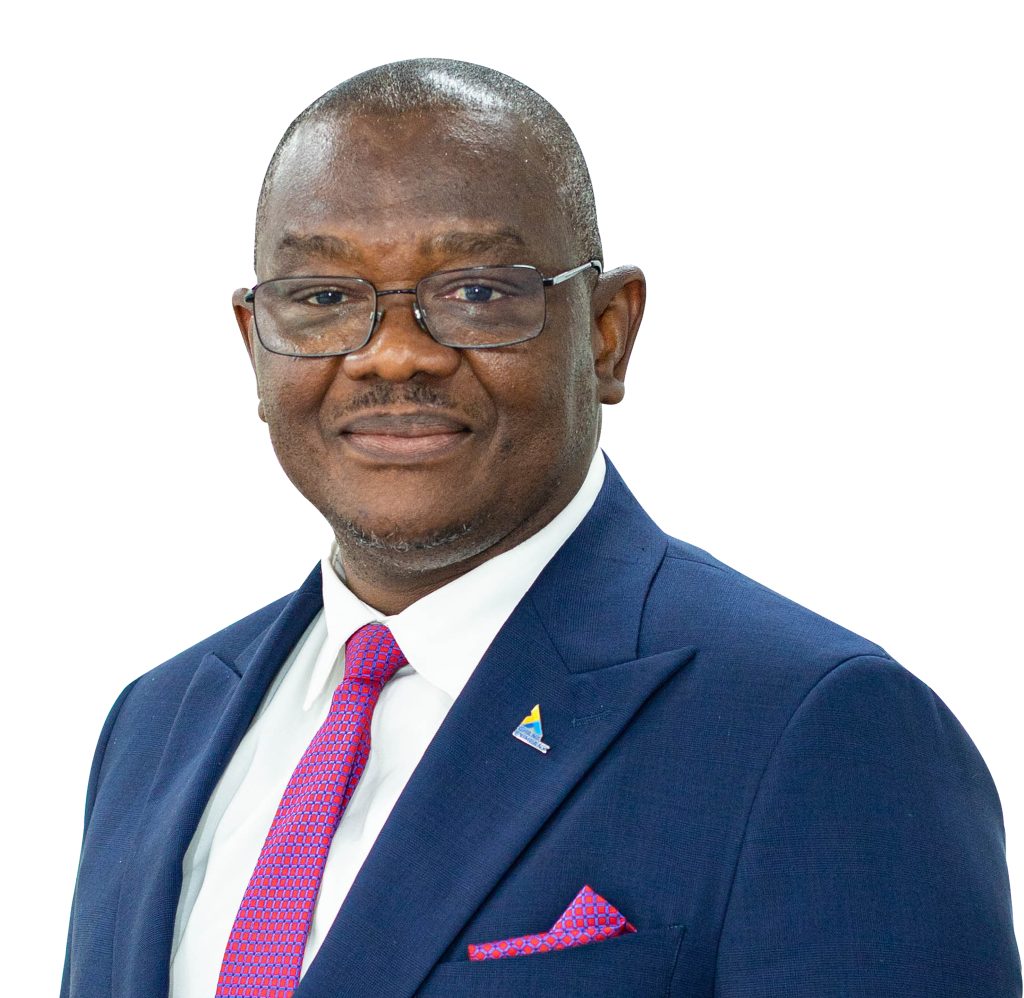
Consolidated Bank Ghana (CBG) has identified limited access to finance, grants and donor support as major barriers to scaling up nature-based solutions in Ghana and across Africa. The bank’s Head of Sustainable Financing and Impact Department, Mrs Eva Ackuaku, says although such projects can deliver environmental and social benefits, concerns about their commercial viability often make it difficult for them to secure conventional bank financing.
Speaking at the Africa Climate Dialogue 2026, she called for increased financial support, an enabling policy environment and stronger collaboration among financial institutions and development partners to unlock investment in nature-based solutions. Mrs Ackuaku said financing must become central to climate discussions if proposed solutions are to move beyond conversations to practical implementation.
She explained that banks must conduct due diligence before financing projects because the funds they manage belong to depositors and other customers. This responsibility, she said, requires financial institutions to assess the viability of projects even when they promise significant environmental and social benefits. “The major setback that I see is limited access to finance,” she said.
According to her, grants, donor funding and financial guarantees could help bridge the funding gap by supporting projects that struggle to demonstrate sufficient commercial viability to attract conventional bank financing. Beyond financing, Mrs Ackuaku identified land ownership as another challenge facing some carbon projects, particularly those located outside major cities.
She said disputes or uncertainties over land ownership could complicate project development and make it more difficult for initiatives to attract investment. She urged governments to establish policies that support climate investments while aligning with national and international priorities. “Governments need to create that conducive environment for us.
The policies must align with national priorities, international priorities,” she said. Mrs Ackuaku added that projects seeking financing must demonstrate sound governance structures, appropriate policies and procedures, and effective risk management. She explained that banks assess financial models under different scenarios to determine how projects might perform when conditions deteriorate.
These assessments help lenders establish whether a project can withstand potential risks and generate sufficient returns to justify financing. CBG calls for stronger partnerships Mrs Ackuaku also called for greater collaboration among financial institutions, research institutions, development finance institutions and donor partners to mobilise resources for nature-based solutions.
She said banks should work together to expand access to funding rather than compete for the same resources. “We do not compete, but we collaborate,” she said. She added that partnerships extending beyond the banking sector could help stakeholders identify funding opportunities and advance climate-related initiatives that might otherwise struggle to secure investment.
Nature-based solutions use the protection, restoration or sustainable management of ecosystems to address environmental challenges while delivering benefits to people and communities. Such initiatives can include forest restoration, wetland conservation and mangrove protection. However, their ability to attract investment can depend on clear land rights, credible project governance, measurable outcomes and financing arrangements that address the risks faced by lenders and investors.
Mrs Ackuaku also disclosed that CBG was preparing to showcase its sustainability activities through an upcoming Sustainability Week celebration, aimed at increasing public awareness of the bank’s work in the sector. The Africa Climate Dialogue 2026 brought together stakeholders to discuss how climate finance, carbon markets and private-sector investment could help scale up nature-based solutions in Ghana and across Africa.
- climate
- project
- financing
- cbg
- finance
- bank
- solution
- ghana