Shoe-making is not for school dropouts — Horseman founder Tonyi Senayah
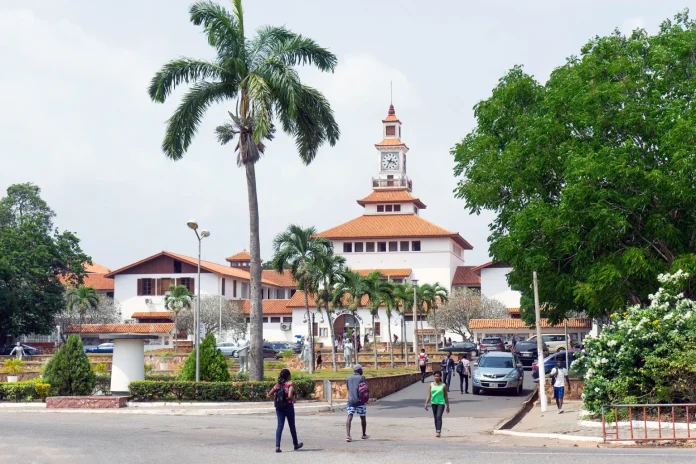
Founder of Horseman, Tonyi Senayah, says his shoemaking business is driven by a broader mission to create fulfilling employment opportunities for artisans and challenge the perception that vocational trades are meant for people who fail to progress through formal education. Mr Senayah said his interest in developing people, which took shape towards the end of his studies at the University of Ghana, had influenced his decision to build a business around shoemaking and craftsmanship.
Founder of Horseman, Tonyi Senayah, says his shoemaking business is driven by a broader mission to create fulfilling employment opportunities for artisans and challenge the perception that vocational trades are meant for people who fail to progress through formal education. Mr Senayah said his interest in developing people, which took shape towards the end of his studies at the University of Ghana, had influenced his decision to build a business around shoemaking and craftsmanship.
Speaking on Personality Profile on JoyNews on Friday, October 30, he said that although he once dreamed of becoming a pilot, he had become increasingly drawn to work that would help people develop their potential. As he approached the end of university, he said he knew he wanted to work in a field where he could contribute to human development. He subsequently applied to several international non-governmental organisations working in that area.
His eventual entry into entrepreneurship through shoemaking, he explained, remained consistent with that ambition. “When the entrepreneurship started and it happened to be shoes, working with artisans, it wasn’t so far off. It was still a calling to help shape and develop people, create opportunities for people who had learned the skill of shoemaking and craft in general,” he said.
Beyond making shoes Mr Senayah said his experience working with artisans had drawn his attention to the circumstances under which many people entered vocational trades. He observed that some people learnt shoemaking, sewing, mechanics and carpentry not necessarily because those were their preferred careers, but because they had been unable to continue their formal education.
According to him, that reality reinforced his determination to build a business that offered artisans more fulfilling employment opportunities while helping to change public attitudes towards vocational skills. He said the ambition was not simply to provide work for people who had acquired practical skills but also to help them see greater value in their craft and in the contribution they could make to society.
Challenging the stigma Mr Senayah said one of his broader objectives was to challenge the perception that vocational training was an option reserved for people who could not make it into secondary school or follow conventional academic paths. He argued that the circumstances that led someone into a trade should not determine how society valued that person or the work they did.
His vision for Horseman, therefore, extends beyond producing shoes to creating opportunities for artisans and helping to shift attitudes towards technical and vocational occupations. The founder said he wanted his work to demonstrate that people who had acquired practical skills could build fulfilling careers and contribute meaningfully to the economy.
For him, developing people and creating opportunities for skilled workers remain central to the purpose that shaped his journey into entrepreneurship.
- people
- senayah
- horseman
- founder
- shoemaking
- opportunity
- artisan
- shoe