Taraba: Day bandits killed 62, injured 52, dislodged 7,123
• We can no longer farm, they took everything away from us — survivor By Femi Bolaji, Jalingo Friday, October 23, 2026, began like any other market day in Binnari, a rural community in Karim-Lamido Local Government Area of Taraba State, where the life of the people revolves around farming, fishing, livestock rearing and cross border trade. Casualties The National Emergency Management Agency (NEMA), in it’s preliminary reports from the Taraba State Emergency Management Agency (TSEMA) and posted on its official social media handles put the death toll at 62.
• We can no longer farm, they took everything away from us — survivor By Femi Bolaji, Jalingo Friday, October 23, 2026, began like any other market day in Binnari, a rural community in Karim-Lamido Local Government Area of Taraba State, where the life of the people revolves around farming, fishing, livestock rearing and cross border trade. Read Also: Death toll in Taraba bandits’ attack now 50 From the early hours, residents and traders from neighbouring communities were busy going about their daily activities.
Farmers brought their produce to market, food sellers prepared for customers, and livestock owners hoped to make sales that would help sustain their families. For many, the market was more than a place to buy and sell. It was where household needs were met, school fees were raised, debts were settled and plans for the coming week were made. But before the day ended, that familiar routine had been violently interrupted.
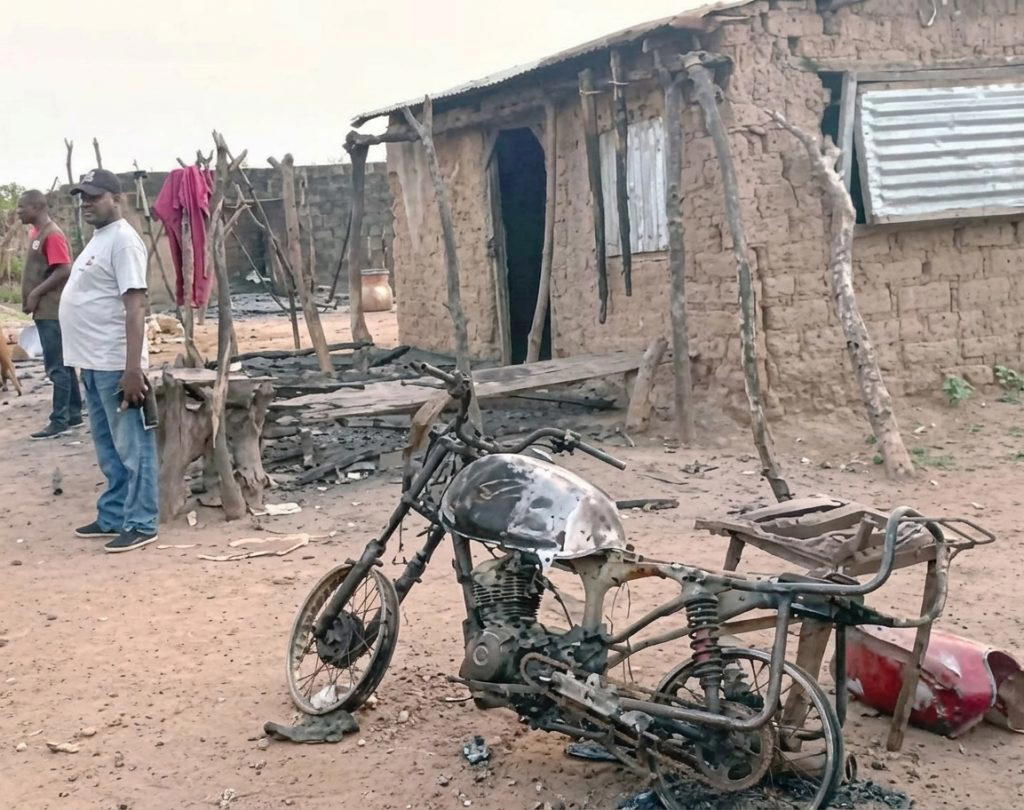
Armed bandits on motorbikes reportedly stormed the community, opening fire on people going about their business, killing residents, destroying property and looting stores. In the confusion that followed, families fled for safety, leaving behind homes, belongings and livelihoods they had spent years building. By the time the immediate danger had passed, Binnari had been left counting its losses.
Casualties The National Emergency Management Agency (NEMA), in it’s preliminary reports from the Taraba State Emergency Management Agency (TSEMA) and posted on its official social media handles put the death toll at 62. Another 52 people were reported injured, while 5,187 residents were displaced and 7,123 people affected by the attack. The figures, contained in a statement issued by NEMA on October 27, 2026, followed an on-the-spot assessment by TSEMA’s Executive Secretary, Dr.
Echuseh Audu. Behind those numbers are families struggling to understand how a day that began with ordinary hopes ended in death, displacement and uncertainty. For the people of Binnari, the tragedy is not simply about the number of lives lost. It is also about the children whose education may have been interrupted, the farmers who have lost their livestock, the traders who can no longer return to the market with confidence and the families now wondering how to begin again.
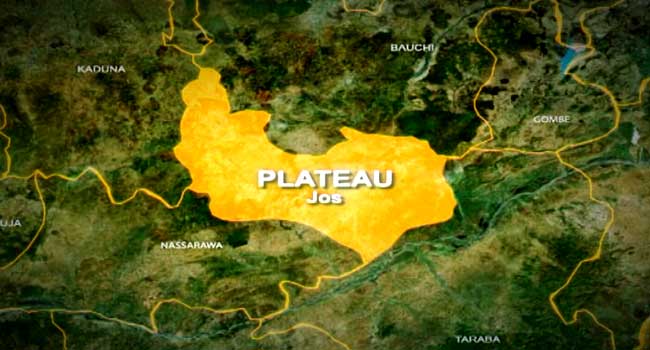
In a community where people depend largely on what they produce, catch, rear or sell, the attack has threatened not only lives but the very means through which residents survive. Binnari’s market has long served as an important meeting point for people from different communities and neighbouring states like Plateau, Gombe and Bauchi. Farmers come with grain and other agricultural produce.
Fishermen bring their catch, while livestock owners and traders gather to exchange goods and negotiate prices. For many residents, market day offers an opportunity to earn money, replenish household supplies and reconnect with people they may not have seen for days or weeks. Such exchanges have helped sustain families and strengthen relationships across community and state boundaries.That was the life Binnari’s residents knew before the attack.
Attack On October 23, however, the market became the scene of a violent assault that residents say left people running for their lives.The attackers reportedly opened fire indiscriminately, killing people and destroying property. As fear spread, some residents fled towards nearby areas in search of safety. Others were caught in the confusion as people desperately tried to escape the violence.
Accounts from the community also indicated that some people drowned after a canoe capsized during an attempt to cross a river while fleeing the attack. For those who survived, the experience was devastating. Some lost relatives, others lost their homes, and many were left without the means to provide food for their families. The fact that the attack happened on a market day made the tragedy particularly painful.
People who had gathered to earn a living and attend to their daily needs suddenly found themselves fighting to stay alive. The preliminary figures released by NEMA offer an indication of the scale of the disaster, but they cannot fully capture the grief of families who lost loved ones or the anxiety of those who fled without knowing when they would return.
For Ezekiel Salihu, a resident of Binnari, the attack has left the community in desperate need of government intervention. Recalling what happened, he said residents were engaged in their normal trading activities when the armed men arrived and began killing people and destroying property. “My name is Ezekiel Salihu. I am calling on the government,” he said in an emotional appeal.
“We, the people of Binnari, are currently in a very difficult situation because of what happened recently. Bandits came into our town on Friday when everyone was buying and selling. People were going about their daily trading activities when the attackers came and started killing people and destroying
- people
- taraba
- market
- resident
- community
- attack
- family
- binnari