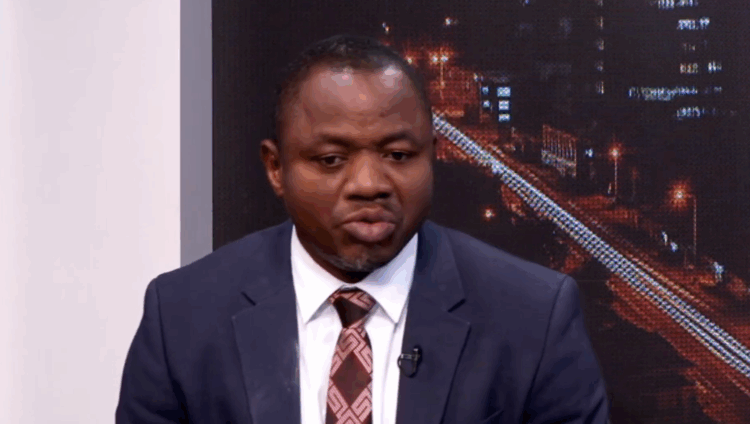
Inusah Fuseini says NPP’s suit on presidential term limit is needless
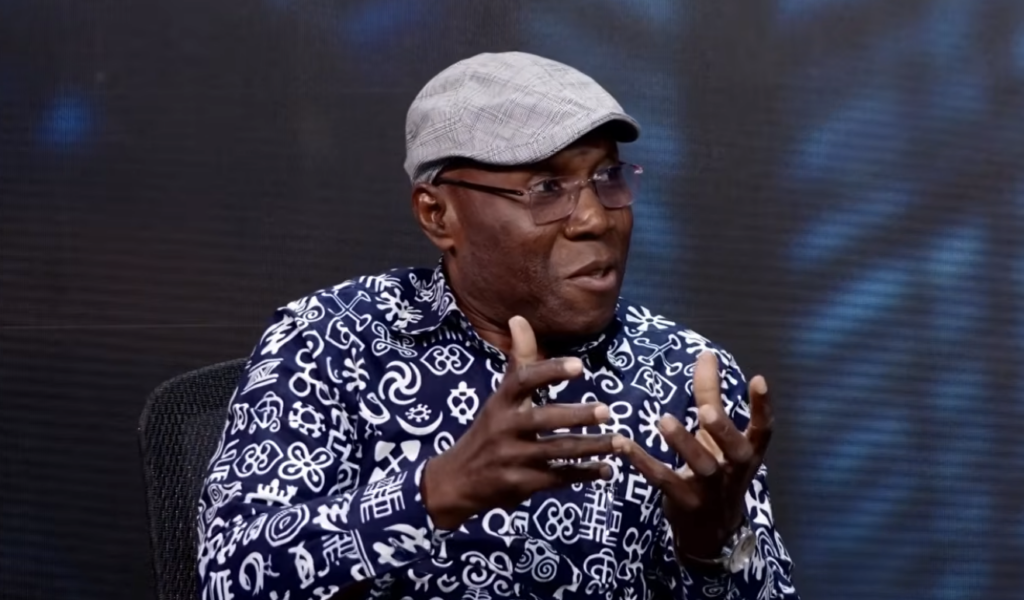
Former Tamale Central MP, Inusah Fuseini, says the New Patriotic Party (NPP) does not need to seek a Supreme Court interpretation of the constitutional provisions governing presidential term limits, arguing that the 1992 Constitution already provides a clear restriction. The NPP has instituted legal action against the Attorney-General, asking the Supreme Court to interpret Articles 58(2) and 66(1), (2) and (3)(a) of the 1992 Constitution.
Former Tamale Central MP, Inusah Fuseini, says the New Patriotic Party (NPP) does not need to seek a Supreme Court interpretation of the constitutional provisions governing presidential term limits, arguing that the 1992 Constitution already provides a clear restriction.
The lawyer maintains that Article 66(2) of the 1992 Constitution expressly limits an individual to two presidential terms, without distinguishing between consecutive and non-consecutive terms, making the NPP’s request for a judicial interpretation unnecessary.
Mr Fuseini said the relevant constitutional provision was intended to limit the number of times a person could be elected to the presidency, rather than regulate how long they must stay out of office before seeking another term.
“I think that the emphasis should actually be put on election, not the person,” he said in an interview on Channel One TV.
To support his position, he drew a distinction between the presidency and Parliament, explaining that while the Constitution places a limit on presidential terms, it allows Members of Parliament to seek re-election without a prescribed limit.
Mr Fuseini said he had personally served more than four terms as a legislator, a possibility he attributed to the absence of constitutional restrictions on the number of times an MP can be re-elected.
He referred to Article 66(1), which sets the presidential tenure at four years, and Article 66(2), which states that a person “shall not be elected to hold office as President of Ghana for more than two terms”.
“The Constitution is very clear. The drafters were very clear. They knew what they wanted. They wanted to impose term limits,” he said.
For him, the wording of Article 66(2) leaves little room for a different interpretation, since it limits the number of times a person may be elected President without making a distinction between consecutive and non-consecutive terms.
Mr Fuseini also took issue with the decision to involve the Supreme Court, arguing that the court cannot be called upon to rule on possibilities that have not materialised.
“The Supreme Court has no speculative jurisdiction. It can’t speculate what anybody will do,” he said.
He further raised concerns about the use of public resources to adjudicate a case based on a hypothetical situation, insisting that there must be an actual constitutional issue requiring the court's determination.
The NPP has instituted legal action against the Attorney-General, asking the Supreme Court to interpret Articles 58(2) and 66(1), (2) and (3)(a) of the 1992 Constitution.
The party wants the Court to affirm that an individual cannot be elected President more than twice or occupy the position for more than eight years, whether the two terms are consecutive or separated by a period out of office.
- term
- fuseini
- limit
- npp
- court
- constitution
- inusah
- supreme