MASUSUKA: Shocking assassination of outspoken cleric

The assassination of Islamic cleric Sheikh Yahaya Masusuka in Katsina State has rekindled concerns over the safety of religious scholars in Northern Nigeria, bringing back painful memories of previous killings that shocked Muslim communities and raised questions about the protection of outspoken religious figures. Masusuka’s assassination relives the killing of Sheikh Ja’afar Mahmoud Adam, one of Nigeria’s most influential Islamic scholars, who was shot dead on April 13, 2007, while leading the early morning Fajr prayer at his mosque in the Gadon Kaya area of Kano.
•His brush with the Katsina government •Other clerics also killed By Ibrahim Hassan-Wuyo The assassination of Islamic cleric Sheikh Yahaya Masusuka in Katsina State has rekindled concerns over the safety of religious scholars in Northern Nigeria, bringing back painful memories of previous killings that shocked Muslim communities and raised questions about the protection of outspoken religious figures.
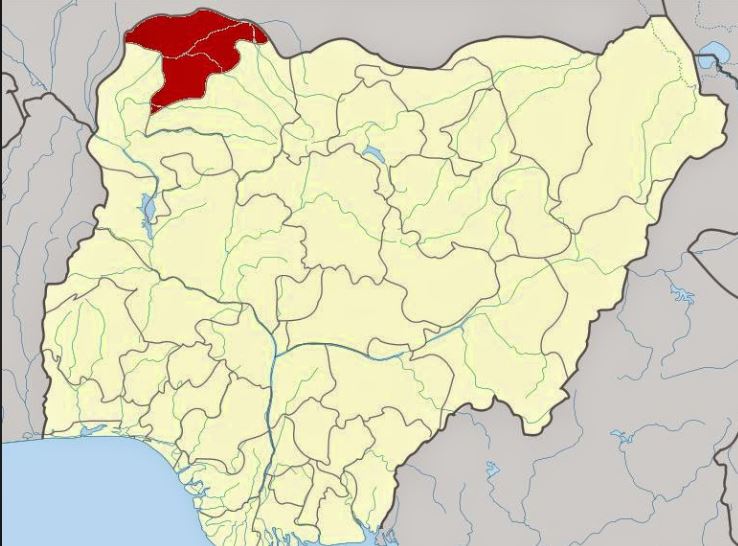
Masusuka and his friend, Adamu Abubakar, were shot dead on Monday, October 26, 2026, by armed men who arrived on a motorcycle outside the cleric’s residence in Dutsin-Ma Local Government Area of Katsina State. The circumstances surrounding the attack remain unclear, including the identities of the gunmen and their motive. However, the killing has drawn attention to a sad history of assassinations involving prominent Islamic scholars in the North.
Masusuka was known for his Qur’an-centred teachings, particularly his position that the Qur’an should be followed without reliance on Hadith traditions. His views generated disagreements with some Islamic scholars and attracted considerable attention on social media. Three decades He had reportedly spent more than three decades preaching Islam and studied at various institutions, including Al-Azhar University in Egypt.
In November 2025, the Katsina State government summoned him following complaints about some of his teachings. The matter was referred to the Katsina Emirate Council for discussions, while Governor Dikko Radda directed him to respond to the allegations before a committee of Islamic scholars. His Secretary, Dr Mustapha Haruna, in an interview, also disclosed that the cleric had previously been arrested and spent some months in a correctional facility.
The authorities have also received complaints from Masusuka that members of an Islamic sect were insulting him and threatening to attack him. Beyond preaching, Masusuka had established Qur’an TV/Radio and Masusuka International School in Dutsin-Ma, with the aim of combining Qur’anic and conventional education. He also advocated peaceful coexistence between Muslims and Christians and had received a Peace Ambassador award in June 2025.
Killings, questions His death has now raised fresh questions about whether religious leaders facing threats receive adequate protection and whether disagreements over religious teachings are being addressed through peaceful and lawful means. Masusuka’s assassination relives the killing of Sheikh Ja’afar Mahmoud Adam, one of Nigeria’s most influential Islamic scholars, who was shot dead on April 13, 2007, while leading the early morning Fajr prayer at his mosque in the Gadon Kaya area of Kano.
Sheikh Ja’afar commanded a large following among Sunni Muslims. He was also known for criticising extremist ideologies associated with Boko Haram. His killing shocked the Muslim community and raised questions about the security of religious scholars whose teachings and public engagements attracted both admiration and controversy. Three months later, another prominent cleric, Sheikh Umaru Danmaishiyya, was killed on July 18, 2007, while returning home after performing the Isha prayer at his mosque in Sokoto.
Sheikh Goni Tijjani was killed at his residence in Maiduguri on May 9, 2011. Although the killing occurred during a period of escalating Boko Haram attacks, the group did not claim responsibility for his death. Sheikh Ali Jana’a was also shot outside his residence in the Bulabulin Ngarnam area of Maiduguri in 2011. Some reports linked the attack to Boko Haram, which allegedly accused him of providing security agencies with information about its activities.
Another cleric, Sheikh Ibrahim Birkuti, was killed outside his residence in Maiduguri in June 2011. He was said to have criticised Boko Haram’s activities, and his death was subsequently mentioned in accounts of attacks against Islamic scholars opposed to the group’s ideology. In February 2014, Sheikh Muhammad Auwal Albani Zaria, popularly known as Sheikh Albani, was killed alongside his wife and son by gunmen in Zaria, Kaduna State.
Although these assassinations occurred in different circumstances, they remain part of a painful history of violence against religious scholars in Northern Nigeria. Reactions Masusuka’s killing has attracted condemnations from government officials and human rights advocates, with calls for a thorough investigation and justice for the victims. Amnesty International condemned the killing, expressing concern over threats and intimidation reportedly faced by the cleric and urging the authorities to ensure that those responsible are brought to justice.
President Bola Tinubu also condemned the killing of Masusuka and his friend, Adamu Abubakar, and directed security agencies to intensify investigations to identify and arrest the perpetrators. Katsina State Governor Dikko Umaru Radda equally condemned the incident, describing the late cleric as a voice for peaceful coexistence and interfaith harmony.
The Northern
- masusuka
- cleric
- assassination
- sheikh
- scholar
- killing
- katsina
- residence