education

Nigerians, other foreign graduates to get shorter UK work visa from 2027
Nigerians, other foreign graduates to get shorter UK work visa from 2027

The United Kingdom, UK has announced plans to retain its two-year post-study work visa for international students graduating from selected universities, partially reversing an earlier decision to reduce the duration of the scheme. Nigeria was the UK’s third-largest source of sponsored international students in the year ending June 2026, with 26,060 sponsored study visas issued to Nigerian main applicants, behind China and India.

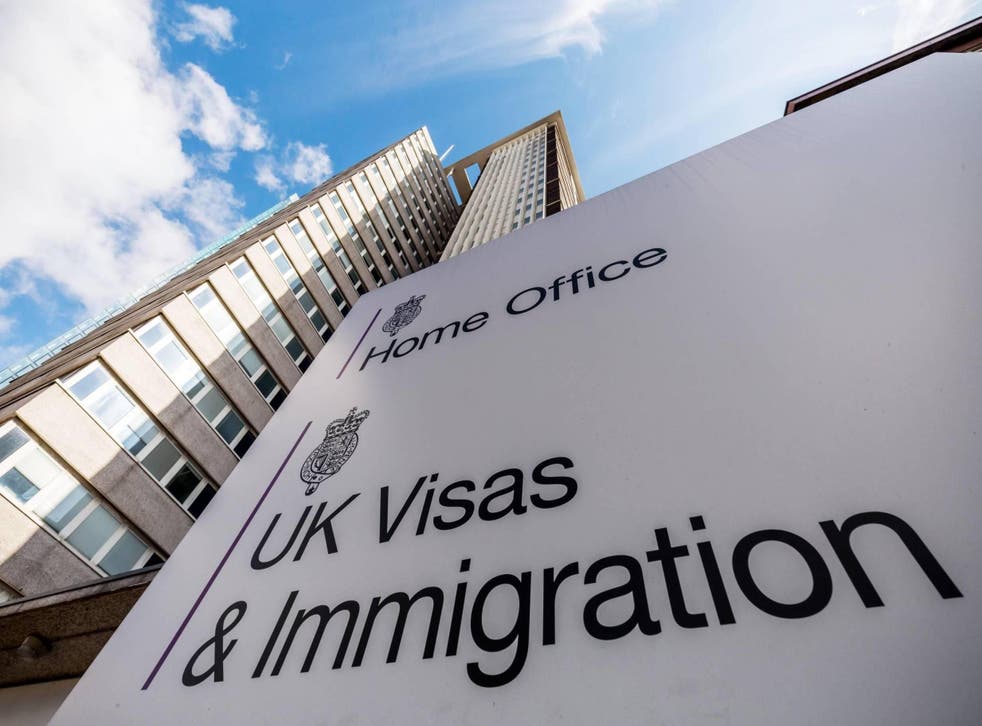
The United Kingdom, UK has announced plans to retain its two-year post-study work visa for international students graduating from selected universities, partially reversing an earlier decision to reduce the duration of the scheme. Under the revised policy, graduates of universities with strong immigration compliance records and employment outcomes will continue to qualify for the two-year Graduate visa, while other international graduates will receive 18 months from January 2027.

The UK government disclosed the change in its 2026 Budget, although it has yet to publish the list of qualifying universities or explain how institutions will be assessed. The policy introduces a two-tier system in which the university attended by an international student could determine how long they can remain in Britain after completing their studies.

“The government will also increase the duration of the Graduate visa to two years for graduates from high compliance universities where there are strong labour market outcomes,” the Budget document said. The change comes after the government announced plans to reduce the standard Graduate visa from two years to 18 months for bachelor’s and master’s degree holders, effective January 1, 2027.

Doctoral graduates will continue to qualify for three years. The development could affect thousands of African students, particularly Nigerians, who constitute a significant proportion of Britain’s international student population and rely on post-study employment opportunities to gain work experience and recover the cost of their education. Nigeria was the UK’s third-largest source of sponsored international students in the year ending June 2026, with 26,060 sponsored study visas issued to Nigerian main applicants, behind China and India.

Nigerian nationals also recorded 20,604 approvals under the Graduate route during the period, making them the third-largest nationality group to benefit from the scheme. The Graduate visa allows eligible international students to work or search for employment in Britain without requiring immediate employer sponsorship. However, the visa cannot be extended, and graduates seeking to remain longer must switch to another eligible immigration route, such as the Skilled Worker visa.

Students graduating before the end of 2026 can still apply for the existing two-year Graduate visa, while the reduced 18-month duration will apply to applications submitted from January 1, 2027. hile maintaining opportunities for international graduates and professionals considered valuable to the country’s labour market.

  • visa
  • graduate
  • student
  • work
  • university
  • nigerians
  • duration
  • employment

Summaries and tags are generated automatically. Stay informed with VidiaNews.

Related news

Quality higher education comes at a cost: Who should pay?
education

Quality higher education comes at a cost: Who should pay?

Accra Dealing with symptoms The ongoing controversy over student hostel fees and the Minister of Education’s directive to the Ghana Tertiary Education Commission (GTEC) and the Rent Control Commission to explore their regulation should prompt a much broader national conversation about the financing of higher education in Ghana. Undergraduate fees at Ashesi average GH¢60,331, nearly seven times the average at the University of Ghana when accommodation is included.

Read →
University of Ghana reduces proposed UGEL hostel fee increase from 26% to 15% after student consultations
education

University of Ghana reduces proposed UGEL hostel fee increase from 26% to 15% after student consultations

The University of Ghana has reduced its proposed fee increase for standard four-bed rooms in its UGEL-managed halls from 26% to 15% for the 2026/2027 academic year following consultations with student leadership. In a statement signed by Registrar Michael Opare Atuah on Thursday, November 19, 2026, the university said the revised rate brings the annual accommodation fee in the four Diaspora halls to GH¢8,050 per student, up from GH¢7,000.

Read →
UGEL hostel charges among lowest compared to private facilities – Prof Abekah-Nkrumah
education

UGEL hostel charges among lowest compared to private facilities – Prof Abekah-Nkrumah

The University of Ghana says accommodation fees charged by the University of Ghana Enterprises Limited (UGEL) remain among the lowest compared to privately operated hostels, despite concerns over the recent increase. Director of Institutional Advancement at the University of Ghana and member of the university’s Communications Team, Prof. Gordon Abekah-Nkrumah, says the charges reflect the cost of maintaining the facilities and providing additional services to students.

Read →
UGEL cannot hide behind UG’s autonomy to evade Rent Commissioner – Appiagyei-Atua
education

UGEL cannot hide behind UG’s autonomy to evade Rent Commissioner – Appiagyei-Atua

Professor at the University of Ghana School of Law, Kwadwo Appiagyei-Atua, has challenged the University of Ghana Enterprise Limited (UGEL) to submit its accommodation charges to legal scrutiny. He maintains that UGEL is a legally distinct private entity, separate from the University of Ghana, and therefore cannot invoke the university’s academic freedom as grounds for resisting the Rent Commissioner’s jurisdiction over its rental premises.

Read →
Universities charging students for accommodation must comply with rent laws – Abraham Amaliba
education

Universities charging students for accommodation must comply with rent laws – Abraham Amaliba

The Director-General of the National Road Safety Authority (NRSA), Abraham Amaliba, says universities that charge students for accommodation should be subject to rent regulation, arguing that the payment of fees creates a landlord-tenant relationship. His comments come amid the disagreement between the University of Ghana Enterprises Limited (UGEL) and Rent Commissioner Frederick Opoku over hostel fees, which has triggered concerns about the cost of student accommodation.

Read →
Emotional outbursts will not solve student accommodation crisis – Vicky Bright
education

Emotional outbursts will not solve student accommodation crisis – Vicky Bright

International corporate lawyer and entrepreneur Vicky Bright says emotional outbursts and public confrontations over university hostel fees will not resolve Ghana’s longstanding student accommodation crisis. Her comments follow the ongoing disagreement between the University of Ghana Enterprises Limited (UGEL) and the Rent Commissioner, Frederick Opoku, over proposed hostel fee increases, which has sparked concerns among students and parents about the affordability of university accommodation.

Read →