Bagbin urges voters to scrutinise campaign promises, resist political propaganda
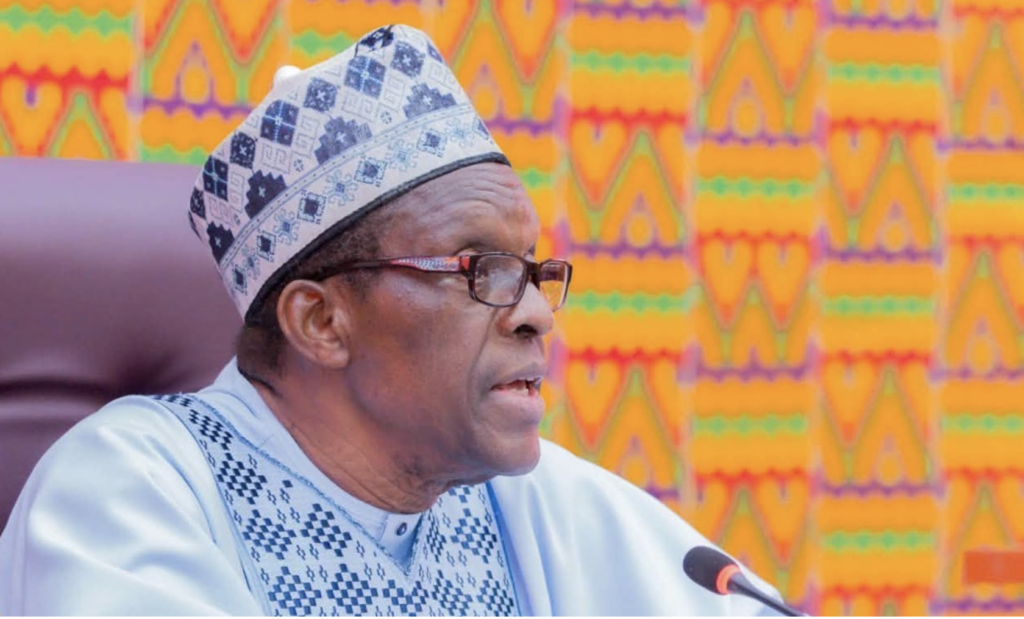
The Speaker of Parliament, Alban Sumana Kingsford Bagbin, has called on Ghanaians, particularly young people, to take a more critical approach to political campaigns by questioning promises and examining policy proposals before making electoral choices. Mr Bagbin made the remarks in a speech read on his behalf at the launch of Voices for the Ballot: Electoral Communication in Ghana, a book authored by strategic communication scholar and media development practitioner Dr Nana Sifa Twum.
The Speaker of Parliament, Alban Sumana Kingsford Bagbin, has called on Ghanaians, particularly young people, to take a more critical approach to political campaigns by questioning promises and examining policy proposals before making electoral choices.
He cautioned voters against letting political propaganda, slogans, and emotional appeals shape their decisions, stressing that citizens must assess what candidates and political parties offer and consider how they can translate promises into action.
“Do not surrender your judgement to political propaganda… examine the issues, compare the alternatives, ask questions and exercise your constitutional rights peacefully and responsibly,” he said.
Mr Bagbin made the remarks in a speech read on his behalf at the launch of Voices for the Ballot: Electoral Communication in Ghana, a book authored by strategic communication scholar and media development practitioner Dr Nana Sifa Twum.
The publication explores how political communication influences Ghana’s electoral processes and voter behaviour, examining how political parties, candidates, the Electoral Commission, the media, civil society organisations, and citizens communicate before, during, and after elections.
The Speaker observed that political discourse was often dominated by campaign slogans, personality-driven messages and emotional appeals, leaving substantive policy discussions and the fulfilment of campaign promises on the sidelines.
He said responsible political communication must enable citizens to distinguish between campaign promises and actual policies, as well as allegations and facts.
He added that informed voters, credible institutions and public accountability were essential to strengthening Ghana’s democracy.
Mr Bagbin also encouraged academics, researchers and authors to investigate weaknesses in the country’s democratic processes and propose practical measures to address them.
He called for closer cooperation among journalists, political communicators, electoral bodies and academia to improve media literacy and promote responsible political engagement.
“Our ambition must be to build a democracy in which political communication does not merely persuade people to vote but equips them to understand why they are voting, what they are voting for, and how they can hold those elected accountable,” he said.
He further highlighted the growing influence of social media on political discourse, warning against the spread of misinformation and falsehoods.
He urged media practitioners to uphold professional standards and remain committed to accurate reporting.
“Our democracy needs a media that is independent enough to scrutinise power, professional enough to distinguish between facts and fiction, and responsible enough to recognise the consequences of its reporting,” he added.
The Speaker commended Dr Twum for contributing to discussions on electoral communication, expressing hope that the book would help promote responsible political campaigns, educate voters and strengthen democratic institutions.
Dr Twum said electoral communication should go beyond helping politicians secure power and instead deepen democracy by encouraging citizens to understand their responsibilities and role in national development.
- campaign
- bagbin
- communication
- propaganda
- voter
- promise
- medium
- citizen