Workers still struggle to make ends meet despite low inflation — NAGRAT President
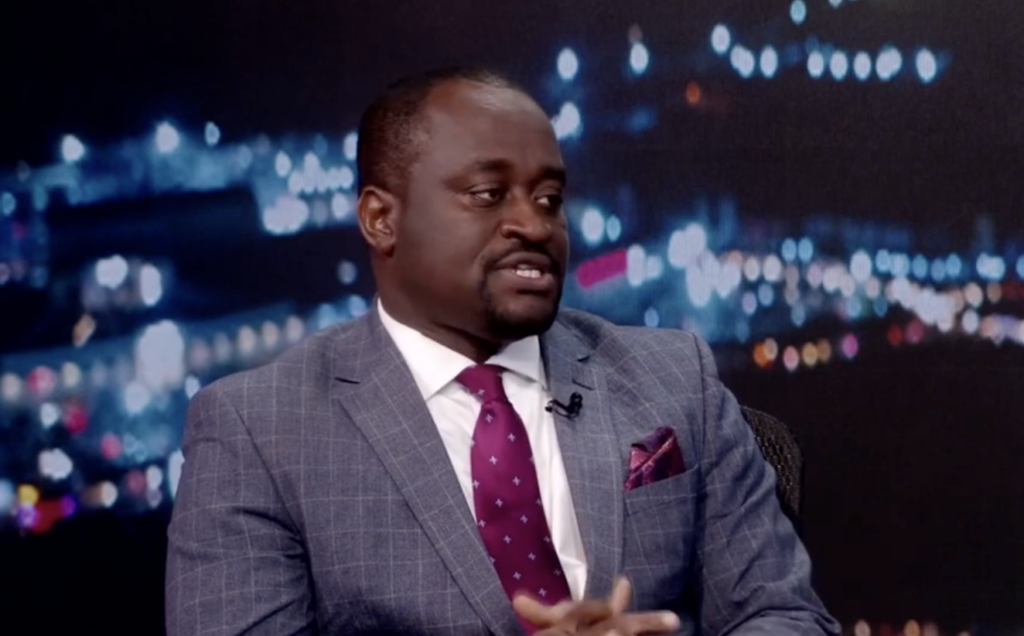
Workers continue to struggle to make ends meet despite easing economic indicators, the President of the National Association of Graduate Teachers (NAGRAT), Jacob Anaba, has said, warning that the agreed eight per cent increase in base pay for public sector workers in 2027 will offer limited relief if prices of goods and services continue to rise. Speaking on Joy News’ PM Express on Monday, November 2, Mr Anaba said the relatively low inflation rate and other improved economic indicators had influenced the negotiations but did not necessarily reflect the financial pressures facing workers.
Workers continue to struggle to make ends meet despite easing economic indicators, the President of the National Association of Graduate Teachers (NAGRAT), Jacob Anaba, has said, warning that the agreed eight per cent increase in base pay for public sector workers in 2027 will offer limited relief if prices of goods and services continue to rise. He said the reality for many working-class Ghanaians was that their earnings were barely enough to sustain them for a month, making price stability critical to the success of the latest public sector pay agreement.
Speaking on Joy News’ PM Express on Monday, November 2, Mr Anaba said the relatively low inflation rate and other improved economic indicators had influenced the negotiations but did not necessarily reflect the financial pressures facing workers. “The risk of inflation, the economic parameters – today we know that all of them are very low. But the reality is that the working class find it difficult to survive for one month…” he lamented.
The government and organised labour have agreed on an eight per cent increase in base pay for public sector workers for 2027, following negotiations on the annual salary adjustment. Mr Anaba said the key concern now was whether prices would remain stable enough for workers to benefit from the increase. “What we are looking forward to is that prices of goods and services will remain stable.
If not, then this is not sustainable,” he said. He added that organised labour had made it clear to the Minister of Finance and the government that any significant changes in economic conditions during the year could trigger fresh negotiations. “We have indicated to the Minister of Finance and Government that if anything happens within the year, we’ll come back and have a new negotiation for whatever we have agreed on.
Because it’s very important,” he said. Food prices remain a concern Mr Anaba expressed concern about the cost of food, questioning the relationship between the prices farmers received for their produce and the amounts consumers paid for prepared meals. Using maize and kenkey as examples, he said the cost of buying a bag of maize did not appear to correspond with the prices charged for kenkey, pepper and fish.
“If you take a bag of maize today, and then the amount that they charge for buying kenkey, kenkey, pepper and the fish is not commensurate with the bag of maize. So as a country, we need to do something,” he said. His comments underline the concern among organised labour that improvements in headline economic indicators may not automatically translate into relief for workers whose incomes must cover food, transport, housing and other household expenses.
For the eight per cent pay increase to provide meaningful support in 2027, Mr Anaba said, price stability would be essential. Otherwise, rising living costs could erode the value of the additional income before workers feel its full benefit.
- worker
- price
- inflation
- anaba
- nagrat
- president
- increase
- pay