Who recruits ad hoc workers for INEC?
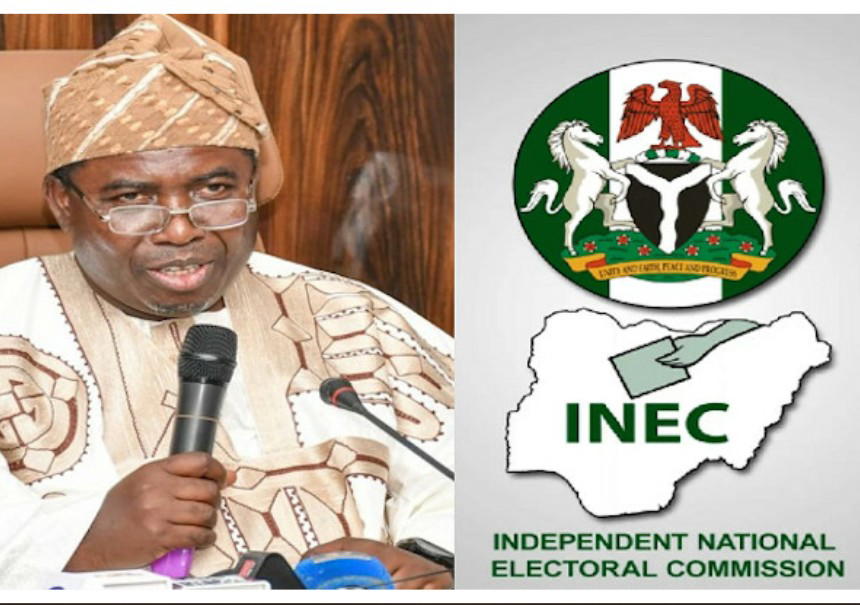
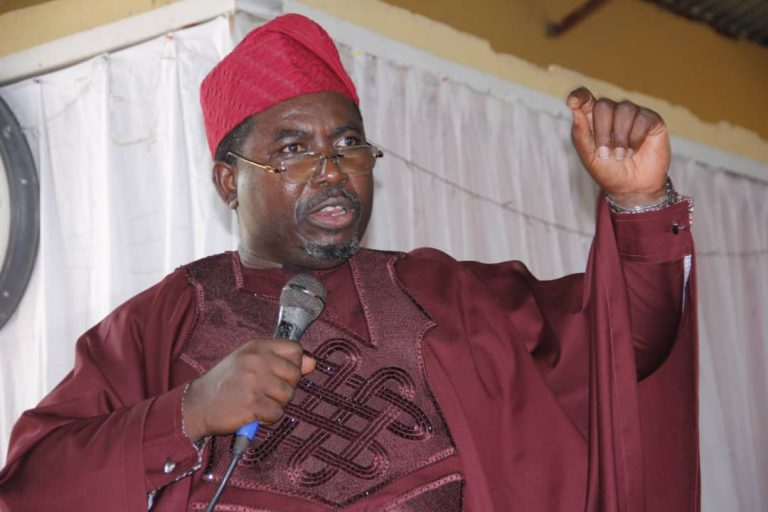
When Nigerians discuss election preparedness, attention often turns to the chairman of the Independent National Electoral Commission, INEC, its national commissioners and the technology the commission plans to deploy. Violence threatening polls But former INEC National Commissioner Mike Igini says the decisive test may lie further down the chain – with the temporary workers who manage voting and counting at polling units.
When Nigerians discuss election preparedness, attention often turns to the chairman of the Independent National Electoral Commission, INEC, its national commissioners and the technology the commission plans to deploy. Read Also: 2027: Violence threatening polls But former INEC National Commissioner Mike Igini says the decisive test may lie further down the chain – with the temporary workers who manage voting and counting at polling units.
“The people that are going to conduct these elections are not the regular permanent staff of INEC,” Igini said during a television interview. “Nigeria needs to focus on the people that are going to conduct this election.” These workers, including presiding officers, handle key tasks on election day. They verify voters, manage election materials and record results.
If their identities or impartiality are in doubt, Igini argued, public confidence in the process could suffer before the results are even announced. He urged agencies that supply temporary election workers to ensure their lists are accurate and that those recruited are properly verified. He also called on INEC to check the lists it receives rather than rely solely on the agencies that submit them.
The issue, he said, is that political interests could find ways to influence recruitment lists. He recalled an incident in Akwa Ibom State during his time as a commissioner, when he said officials found people on a list who were not staff of the university expected to provide workers for the exercise. “We discovered that mercenaries were sent in on that list,” Igini said.
He added that a market woman told officials her name had been included and that she had come to attend training. Igini said the discovery prompted him to stop the training while the list was examined. The episode, in his account, showed how a process intended to draw qualified workers from established institutions could be vulnerable to interference.
His concerns also extend to the recruitment of members of the National Youth Service Corps, NYSC, whom he identified as a key source of polling-unit officials. He called on the corps to protect the integrity of the names it submits to INEC and on the commission to verify the people assigned to election duties. “The list is infiltrated,” he said, describing what he believes can happen when recruitment is not sufficiently checked.
He warned that a compromised list could put people at polling units who have not been properly vetted or trained. Igini cited a separate controversy from the 2023 elections in Rivers State, alleging that an ad-hoc worker who announced results in one local government area had claimed to be a lecturer at a college. He said journalists who checked with the institution could not find the person on its payroll.
The claim, as presented in the interview, was not independently verified. Igini used it to argue that election authorities should be able to explain who is recruited, where the workers come from and how their identities and qualifications are confirmed. He said the problem was not simply whether a temporary worker had completed training. The commission, he argued, must also be confident that the person attending the training is the same person who will serve at the polling unit.
That concern places responsibility on several institutions. Agencies that provide personnel must keep reliable records and protect their recruitment processes. INEC must scrutinise the names it receives, verify identities and supervise workers on election day. Political parties and their agents, meanwhile, have a role in observing the process and raising concerns through proper channels.
Igini said INEC’s senior officials would not be present at every polling unit on election day. The work would be carried out by temporary staff under the commission’s supervision, making the quality of that supervision central to the process. He also noted that party agents and voters could help monitor what happens at polling units. He encouraged agents to audit election materials and document the process, including by taking a clear image or video of the original Form EC8A after results are recorded.
“The power of the people at the polling unit is awesome,” he said, adding that voters would normally outnumber election officials there. His argument is that accountability should not end with the recruitment of workers. The public needs confidence that the people managing the vote are the people selected for the job, that they have been properly trained and that their actions can be checked.
For the 2027 elections, that requires clear answers to basic questions: Which institutions will provide the ad-hoc staff? What checks will be used to verify their names and identities? How will INEC prevent political interference in recruitment? And what happens when an irregularity is discovered? Igini’s warning is that the credibility of an election can be weakened by decisions made long before ballots are cast.
If the people entrust
- inec
- election
- worker
- igini
- list
- commission
- polling
- unit