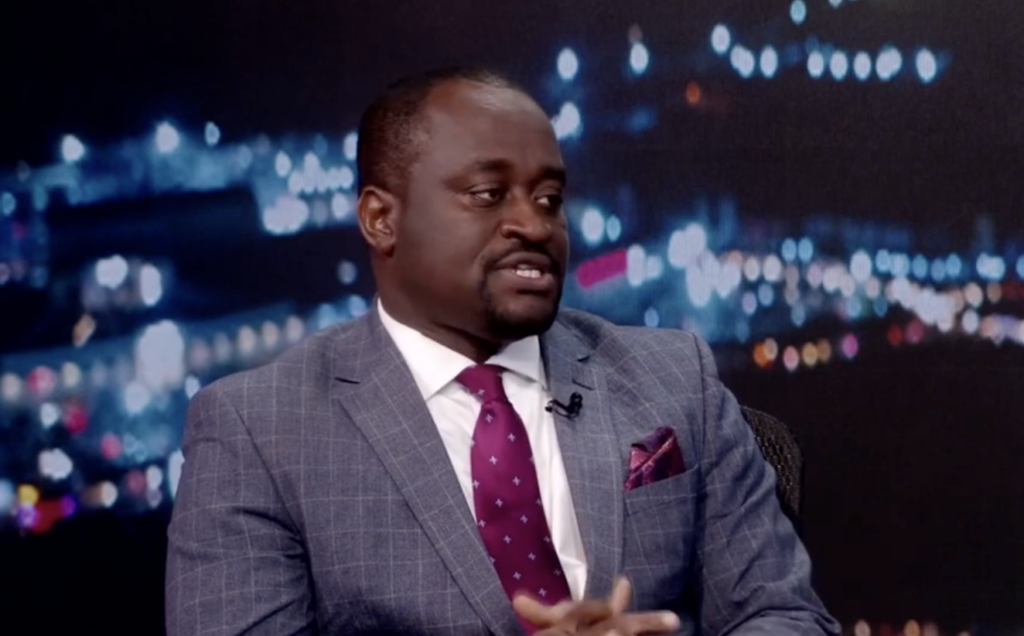
NAGRAT demands minimum and maximum base pay to address wage inequality
The President of the National Association of Graduate Teachers (NAGRAT), Jacob Anaba, has called for a review of the public sector salary adjustment system, proposing minimum and maximum base pay levels to address what he describes as wide inequalities in workers’ earnings. Speaking on Joy News’ PM Express on Monday, November 2, in a discussion on the eight per cent increase in base pay for public sector workers in 2027, Mr Anaba argued that the adjustment should be based on a range rather than a fixed percentage for all workers.
The President of the National Association of Graduate Teachers (NAGRAT), Jacob Anaba, has called for a review of the public sector salary adjustment system, proposing minimum and maximum base pay levels to address what he describes as wide inequalities in workers’ earnings. He said a uniform percentage increase in base pay did not adequately reflect the different financial circumstances of public sector employees, particularly those at the lower end of the salary scale.
“I will suggest that the percentage shouldn’t be a static one. It should be a range,” he said. Speaking on Joy News’ PM Express on Monday, November 2, in a discussion on the eight per cent increase in base pay for public sector workers in 2027, Mr Anaba argued that the adjustment should be based on a range rather than a fixed percentage for all workers.
He cited workers who earned about GH¢700 a month, arguing that even a 100 per cent increase would not give them enough to meet their basic needs. “As I speak to you, some people take 700 cedis at the end of the month. If you give them 100%, they don’t even have any money to go home with. So we should have a minimum base pay and a maximum base pay,” he said.
Mr Anaba contrasted their situation with that of employees earning more than GH¢15,000 monthly, arguing that the two categories should not receive the same percentage adjustment. “Some people are taking beyond 15,000 cedis at the end of the month; those people do not need this type of base pay we have given. Somebody is taking 700 cedis; that person needs more than 100% as a base pay,” he said.
Calls to narrow wage disparities The NAGRAT president said the wide differences in earnings among public sector workers required a more targeted approach to salary adjustments. He said the priority should be to improve the earnings of workers at the bottom of the pay scale so they could better meet their daily expenses. “So it should be a range then we because the inequalities are too huge,” he said.
He added: “So we have to ensure that all those who are down there also come up a bit so that they can also meet their economic daily activity that they go through.” Mr Anaba said some members of the association were struggling financially, describing the situation of workers earning about GH¢700 at the end of the month as unacceptable. “Some of our members are suffering.
Those who are taking 700 cedis at the end of the month, it is unjustifiable,” he said. He also questioned whether the Fair Wages and Salaries Commission was adequately addressing the needs of all categories of workers. “You know, it is called Fair Wages and Salary Commission. They are not fair to some categories of workers,” he said. His proposal comes amid the agreement between the government and organised labour to increase base pay for public sector workers by eight per cent in 2027.
Mr Anaba’s argument is that a single percentage adjustment risks widening or failing to address existing income disparities, particularly when workers on the lowest salaries struggle to meet basic living costs. He wants a pay adjustment framework that gives greater consideration to the earnings of lower-paid employees while recognising the substantial differences across the public sector workforce.
- pay
- base
- worker
- nagrat
- inequality
- sector
- adjustment
- anaba