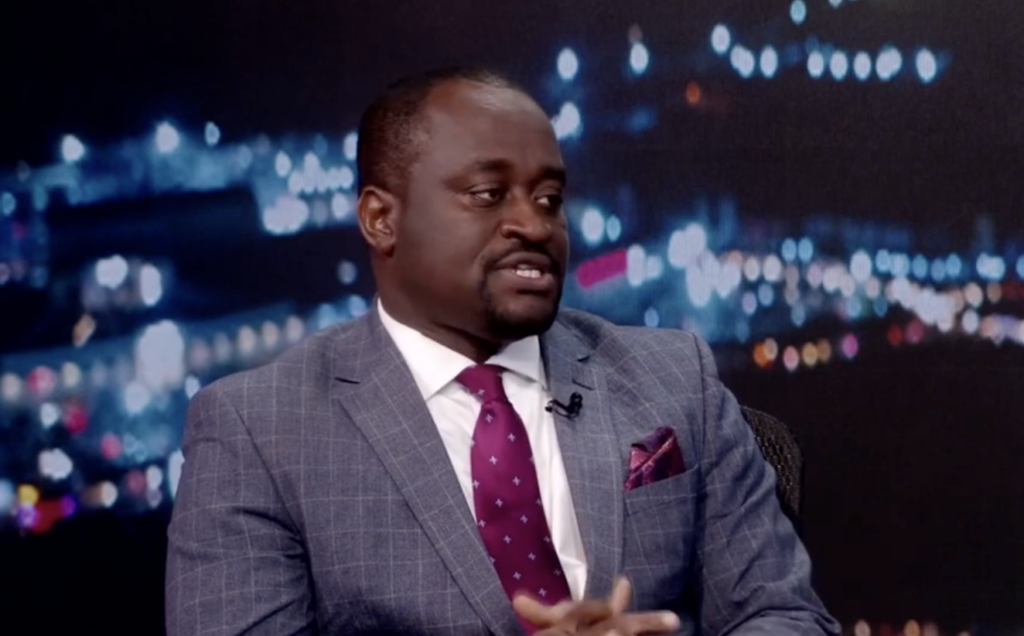
Ghana’s wage bill extraordinarily high compared with regional peers — Theo Acheampong
Economist and political risk specialist Dr Theo Acheampong says Ghana’s wage bill is extraordinarily high compared with regional peers, leaving little room for capital spending after other major commitments. “But when you compare Ghana’s wage bill to some of our peers, even within the subregion, you can see that the wage bill is quite extraordinarily high.”
Economist and political risk specialist Dr Theo Acheampong says Ghana’s wage bill is extraordinarily high compared with regional peers, leaving little room for capital spending after other major commitments.
Speaking on Joy News’ PM Express on Monday, he said the public sector pay must be examined alongside productivity and persistent budget pressures.
“But when you compare Ghana's wage bill to some of our peers, even within the subregion, you can see that the wage bill is quite extraordinarily high.”
Dr Acheampong said the wage bill’s share of total expenditure had remained relatively stable over the long term, despite increases in the nominal amount.
He said data stretching back to 2008 showed employee compensation accounting for between 25% and about 35% to 36% of expenditure. The trend averaged around 30%.
“Where, for example, last year I think employee compensation was about 79 billion out of a total expenditure of about 233.8 billion.”
However, his concern extended beyond the size of the payroll. He pointed to the combined burden of compensation, interest payments and transfers to statutory funds.
“There's actually nothing left to pay for capital expenditure,” he said.
Dr Acheampong called for a broader discussion about wages and productivity across both the public and private sectors.
He said the government had signalled a focus on growth, productivity and jobs in the 2027 budget. He explained that the aim was to create quality employment that could support sustainable wages.
He also argued that lasting improvements in living standards required more than salary increases. Fair wages must be supported by stable prices, a stronger economy, reliable public services, and more job opportunities.
For workers, he said, the value of a pay rise depended on the economic conditions surrounding it.
“If you can get all these things working right, and things are stable, even if you offer workers 5% in a stable environment, is always going to be better than offering them 30% when you have runaway inflation.”
- wage
- bill
- acheampong
- ghana
- theo
- expenditure
- peer
- productivity