Bringing Zamfara inciter to book
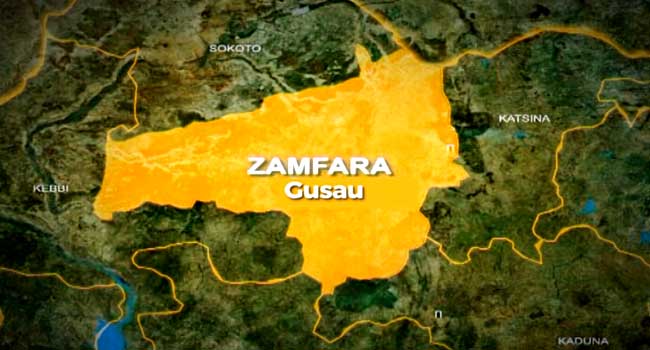
The arrest of Umar Ibrahim Gandi Maradun, 22, by Zamfara State police responds to a viral video recorded on 23rd October, in Maradun. They evoke a national climate of fear amid persistent jihadist killings and displacement in Benue, Plateau and southern Kaduna, and attacks attributed to armed groups, including suspected Fulani herder militias, in Enugu and other states.
The arrest of Umar Ibrahim Gandi Maradun, 22, by Zamfara State police responds to a viral video recorded on 23rd October, in Maradun. Wearing a uniform associated with Jama’atu Izalatil Bid’ah Wa Iqamatis Sunnah (JIBWIS), he led youths, including minors, in chants demanding AK-47 rifles to attack Christian worshippers in Enugu and Jos. The footage has provoked outrage because it sought to turn religious identity into a target for violence.
Media transcriptions of the Hausa call-and-response include: “A ba wa AK?” (“Give them an AK?”); “Mu je Enugu?” (“Shall we go to Enugu?”); “Cikin arna?” (“Among the unbelievers?”); “Ranar Lahadi?” (“On Sunday afternoon?”); “Suna murna? Suna tafi?” (“They are celebrating? They are going?”); and “Na ba su wuta!” (“I will open fire on them!”). Participants answered each prompt with a chant of approval.
This is a reported transcription; police must examine and preserve the recording for prosecution. JIBWIS, the Izala movement, is an Islamic organisation which is often accused of controversial and radical Islamic preaching through clerics like Sheikh Ahmad Gumi. Its leadership, however, reportedly condemned the words, disowned the conduct and handed Maradun to police.
That cooperation, if true, was patriotic and commendable. It saved the organisation’s name from public ignominy. But disavowal cannot replace a full inquiry. Commissioner of Police A. M. Bello confirmed the arrest and said investigations were under way, with possible charges relating to incitement, disturbance of public peace and criminal intimidation.
Investigators must establish the video’s context, identify every participant and organiser, question relevant witnesses, and determine whether Maradun acted alone or was advancing a wider network’s agenda. Any connection to jihadist terrorists, extremist recruiters or international terror financing must be prosecuted in full. The references to Enugu and Jos cannot be brushed aside as harmless bravado.
They evoke a national climate of fear amid persistent jihadist killings and displacement in Benue, Plateau and southern Kaduna, and attacks attributed to armed groups, including suspected Fulani herder militias, in Enugu and other states. Many Christians describe these patterns as genocide, which has also been echoed in international circles. The threat to attack Christian worshippers on Sunday demands urgent, credible action.
Beyond this arrest, the Federal Government, police, DSS and other intelligence agencies must assess threats to churches, mosques and other worship centres, share intelligence with state authorities, and provide discreet, risk-based security without inflaming communal suspicions. They must investigate preachers who incite violence, trace any proven links to extremist organisations or foreign funding, and prosecute those against whom admissible evidence establishes offences.
Religious leaders, schools and parents must reject indoctrination and teach mutual respect and accommodation for every faith. Nigeria cannot afford selective outrage or collective blame. Bring anyone implicated to book through due process, protect every worshipper, and uproot violent extremism before rhetoric becomes bloodshed.
- police
- enugu
- zamfara
- book
- maradun
- arrest
- state
- worshipper