EBOLA: Genomics links Nigeria’s case to Kenya index case – Pate

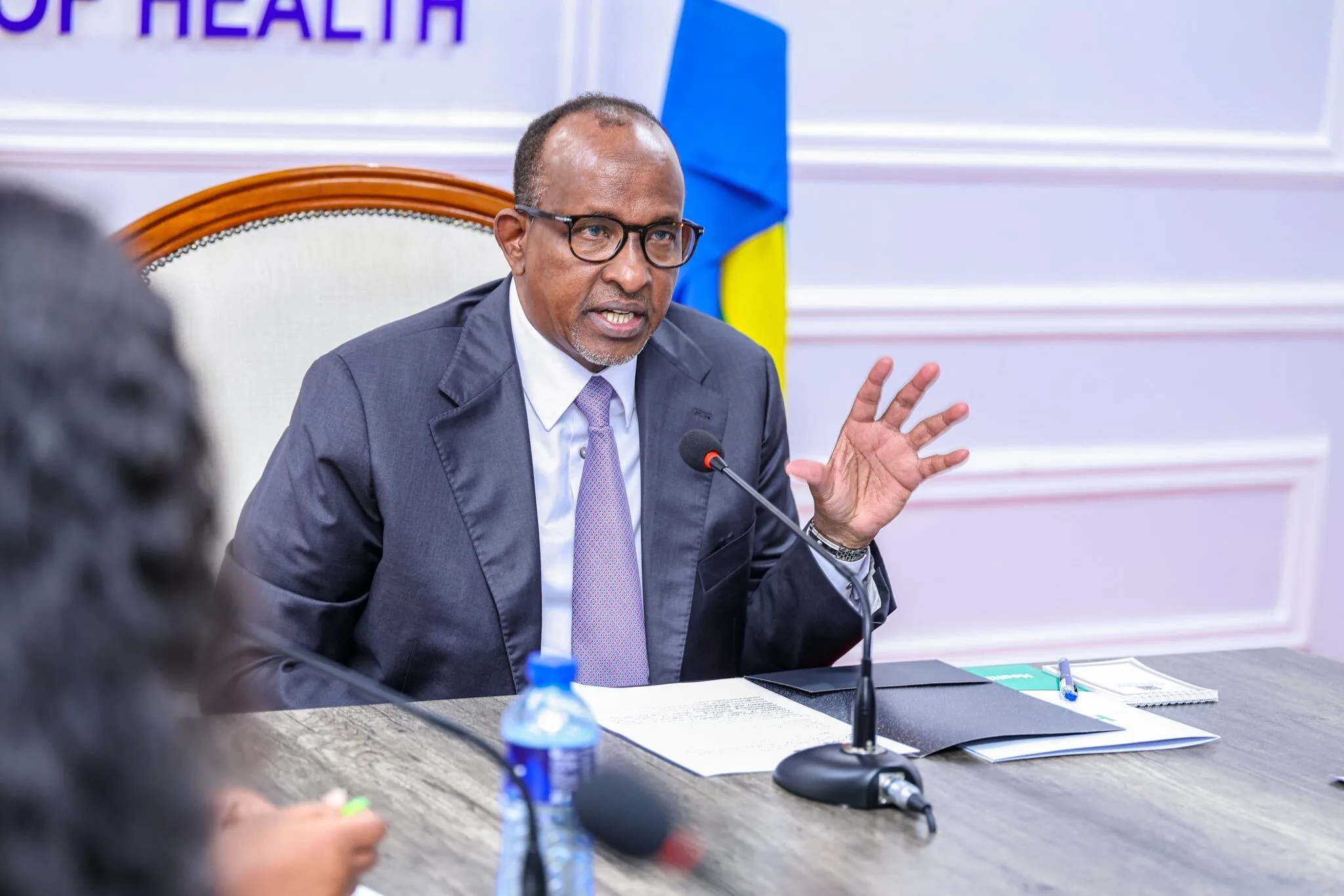
Genomics links Nigeria’s case to Kenya index case – Pate. Triumph of 2014, test of 2026 The Coordinating Minister of Health and Social Welfare, Professor Muhammad Ali Pate, who disclosed this on Friday night, however, stressed that there was no evidence so far that the Kenyan index case had travelled to Nigeria.
…says no evidence yet of direct travel link By Chioma Obinna Genomic analysis has revealed a close relationship between the Ebola virus detected in Nigeria’s confirmed case and the virus identified in the index case in Kenya, raising fresh questions about the connection between the infections as health authorities intensify containment measures. Read Also: Return of Ebola: Triumph of 2014, test of 2026 The Coordinating Minister of Health and Social Welfare, Professor Muhammad Ali Pate, who disclosed this on Friday night, however, stressed that there was no evidence so far that the Kenyan index case had travelled to Nigeria.
He cautioned against drawing premature conclusions from the findings, explaining that genetic relatedness alone did not establish how the infection reached Nigeria. “We still have only one confirmed case. The contacts have been traced, quarantined, and we are conducting additional tests, some of which are negative and others are pending,” Pate said.
He added that further genomic analysis could provide more information about the relationship between the viruses, although it might not necessarily resolve the route of transmission. He said the findings were made possible through the laboratory infrastructure of the Nigeria Centre for Disease Control and Prevention, NCDC, and research facilities led by Professor Christian Happi at Redeemer’s University, Ede, Osun State.
“That case appears to be closely related to the case identified in the index case in Kenya,” Pate said. The minister said the government was sustaining contact tracing, laboratory testing, surveillance and case management to prevent further transmission. He added that health authorities were also strengthening infection prevention and control measures in healthcare facilities.
As part of the response, he said, health workers would receive training to improve their ability to identify suspected cases, protect themselves and promptly notify public health authorities. “All hospitals should be sensitised and health workers be aware and, when there are suspected cases, to notify public health authorities,” he said. Pate urged Nigerians to remain vigilant but calm, emphasising that Ebola was not transmitted through the air but through direct contact with the body fluids of an infected person.
“Ebola is a disease that is so far not transmitted through airborne. It’s transmitted through close contact with body fluids,” he said. He advised the public to rely on information from the NCDC, the Federal Ministry of Health and Social Welfare, the World Health Organisation and the Africa Centres for Disease Control and Prevention, rather than unverified reports circulating on social media.
The government is also developing and refining guidelines for mass gatherings in public spaces as part of efforts to protect public health while allowing activities to continue in line with evidence and established best practices. Pate said the measures formed part of a broader response involving the NCDC, the ministry, laboratories and public health professionals.
Speaking, NCDC Director-General, Dr Jide Idris, said the agency would provide regular public briefings to explain the response, communicate preventive measures and encourage Nigerians to take practical steps to reduce the risk of infection. Idris stressed the importance of environmental control, personal hygiene and handwashing, recalling the preventive practices adopted during Nigeria’s 2014 Ebola outbreak.
“It’s a contact issue. So, we need to address the issue of environmental control, personal hygiene, and hand washing,” he said. He said containing the disease required cooperation between government agencies, healthcare workers and the public, adding that regular updates would help Nigerians understand the situation and their role in preventing transmission.
The government urged Nigerians to report suspected cases promptly, observe public health guidance and avoid spreading unverified information. Pate said the country remained vigilant and would continue to provide updates as testing and contact-tracing activities progressed. “There is no need to panic, but it is important to follow public health preventive measures that have been clearly identified,” he said.
- case
- ebola
- nigeria
- pate
- health
- index
- kenya
- contact