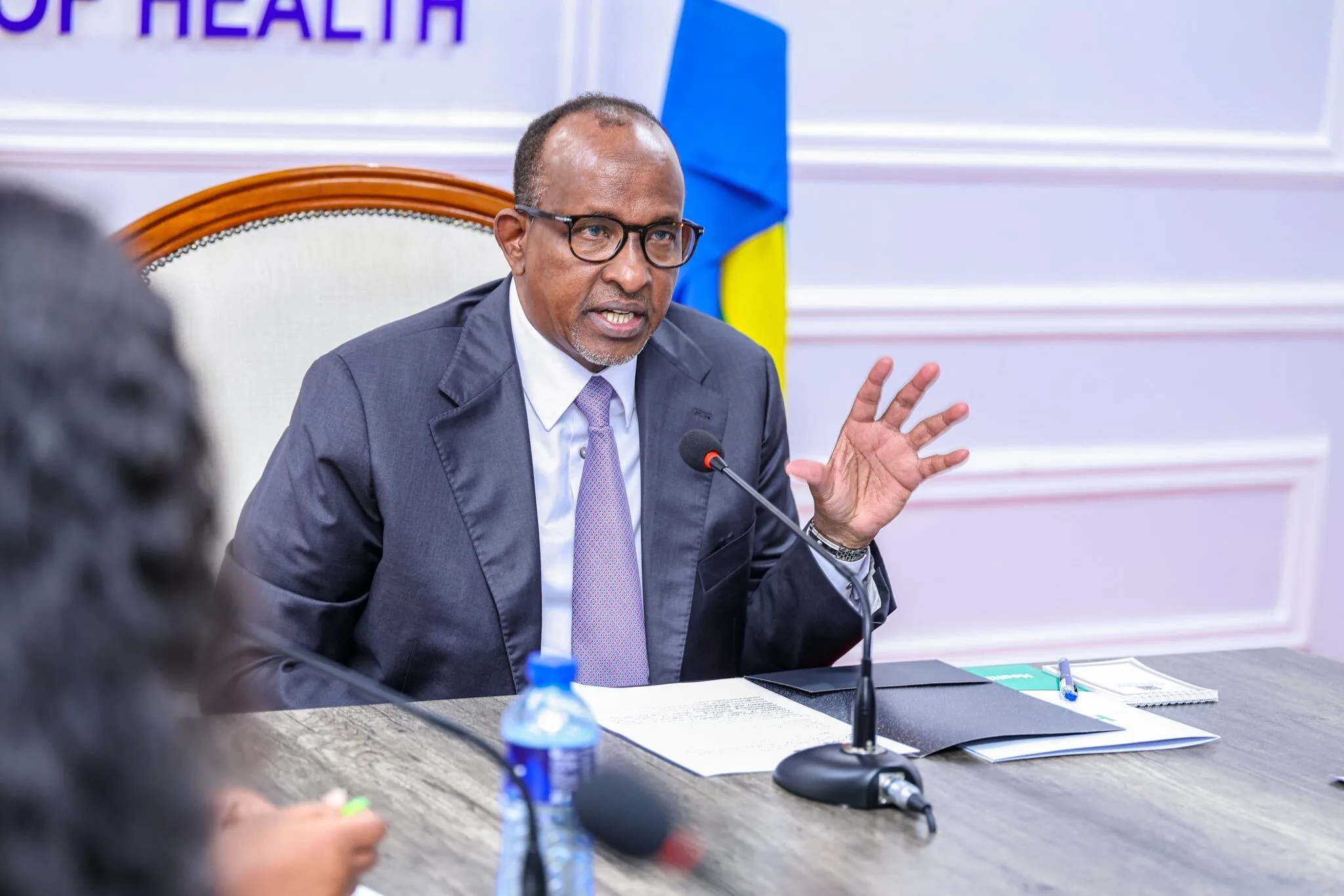
Ghana needs 759 million cedis to implement 2025-29 health sector supply chain master plan

Speaking at the launch of the masterplan in Kumasi, Director for Procurement and Supply Chain at the Ministry of Health, Dr. Edward Bright Agyekum, noted that the government remains focused on generating revenue locally for the masterplan’s implementation. Owning the SCMP implementation Technical Director with the Global Health Supply Chain, Daniel Oswald Owusu Afranie says the country make be deliberate in owning the masterplan for a universal health coverage by 2030.
More than 759 million cedis — that is how much Ghana needs to fix critical gaps in the supply of medicines and essential medical supplies across the country’s health facilities over the next four years. But with some foreign aid to the health sector being withdrawn, the government is turning to domestic resources to fund the plan and keep Ghana’s universal health coverage target for 2030 within reach.
At the launch of the 2025-2029 health sector supply chain master plan, stakeholder say effective funding, improved financial management and the recovery of outstanding debts owed under the National Health Insurance Scheme will be crucial to ensuring that health facilities, particularly those serving women and children, have the essential commodities they need to save lives.
The master plan is a revised version of the 2021 – 2025 plan which was partially implemented due to the COVID-19 outbreaks with 35% of the overall targets achieved. The old plan revealed significant gaps in the planning, governance, workforce and operation sectors for the effective rollout of health The new plan is aimed at ensuring the completion of critical tasks while enhancing supply chain adaptability and responsiveness to emerging challenged.
The master plan encompasses forty-seven (47) strategic interventions, each linked to the annual performance targets across the second (II) technical areas. The plan seeks to ensure availability, timely-access, affordability of high-quality health commodities across public and private sectors to successfully deliver universal health coverage ensuring Ghanaians have access to high-quality health care services.
Targets by 2029 The masterplan seeks to build an integrated central and regional medical stores distribution on time and in full for all service delivery points while tracking cost components. It will also develop a well-coordinated financial system that supports the public health system. The implementation of the masterplan will include a mapping exercise to understand the flow of money and tracking of expenditures at each level.
Speaking at the launch of the masterplan in Kumasi, Director for Procurement and Supply Chain at the Ministry of Health, Dr. Edward Bright Agyekum, noted that the government remains focused on generating revenue locally for the masterplan’s implementation. This comes amidst withdrawal of some foreign aid to the health sector, but Dr. Agyekum says strategies are in place to mobilize resources locally to achieve key priorities set out under the plan.
“The supply chain master plan will be implemented with local funds. We are using whatever we have to generate. Whatever we are going to do to ensure it’s a local funding, we are mobilizing the scarce resources, the government is pushing for it. We are doing, we are mindful that come what may, the donors will withdraw. We are raising local funding to support implementation,” he said.
Owning the SCMP implementation Technical Director with the Global Health Supply Chain, Daniel Oswald Owusu Afranie says the country make be deliberate in owning the masterplan for a universal health coverage by 2030. “The development partners have supported in putting this together. But its implementation is something government must take over and plan towards that.
Resource mobilizing is very key,” he said. He noted that the government must devise ways to recoup all debts incurred under the health insurance scheme to complement revenue mobilization for the implementation. He acknowledged that these huge arrears affect the operations of the medical supply stores in procuring and distributing health commodities to health facilities.
“How does the NHIS come in. Because in terms of health financing which the NHIA is already doing. We have to look at what role they will be playing in the implementation of the supply chain masterplan. There must be practical measures to ensure those debts are collected so that the regional medical stores will be able to function as business entities,” he added.
Focus on Women and Children Women and children are among the most vulnerable groups in Ghana’s healthcare system, with access to essential medicines, vaccines and other medical supplies playing a critical role in their survival and well-being. Supply and Procurement Manager at UNICEF, Honorine Niyomana, stressed that the plan must deliberately and strategically focus on women and children.
Ms. Niyomana says inadequate supplies could hinder mother and children from accessing equitable care. “Ghana has made important progress in improving health for women and children. But progress can be lost quickly when the commodities run out. A stock out of a single essential medicine can send a mother or caregiver home without care or force a family to travel far or pay off out of pocket,” she said.
- health
- plan
- supply
- chain
- sector
- master
- implementation
- ghana