Africa urged to close women’s health research gap beyond maternal care
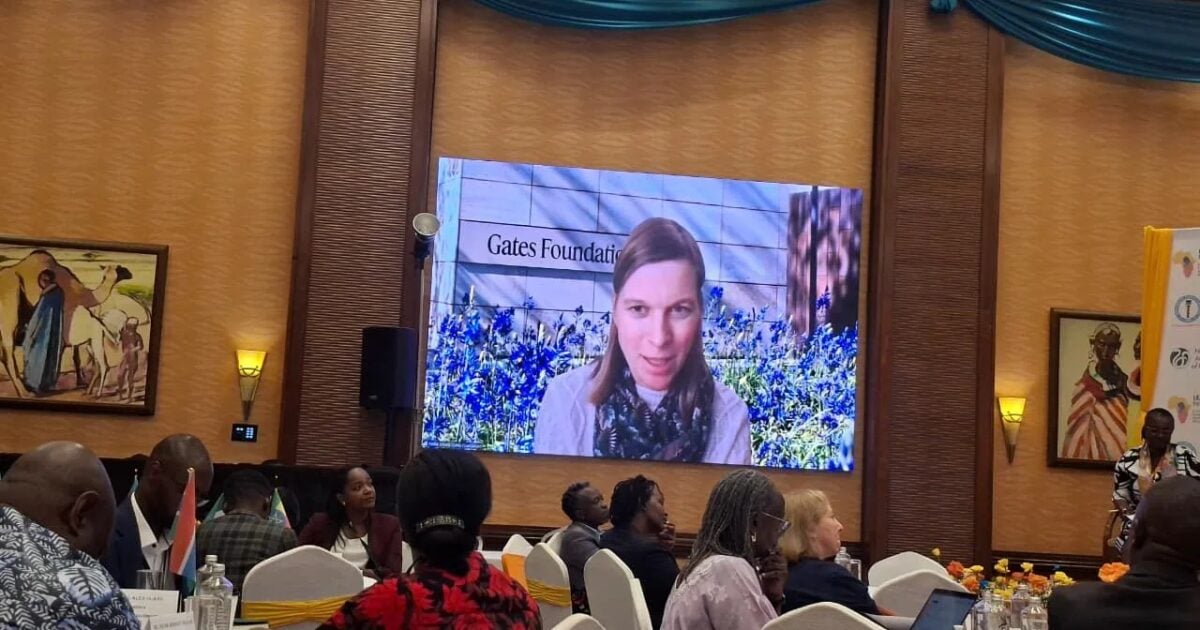
NAIROBI, Kenya, Nov 3 — African countries have been urged to expand investment in women’s health research beyond pregnancy and childbirth, with experts warning that conditions such as endometriosis, menstrual disorders, infertility and menopause remain neglected despite their significant impact on women’s lives. KEMRI Board Chairman Dr Abdullahi Ali said the continent needed to build a strong ecosystem of African scientists and innovators capable of generating evidence, influencing policy and developing products to address women’s health challenges.
NAIROBI, Kenya, Nov 3 — African countries have been urged to expand investment in women’s health research beyond pregnancy and childbirth, with experts warning that conditions such as endometriosis, menstrual disorders, infertility and menopause remain neglected despite their significant impact on women’s lives.
The call was made at the Women’s Health Ecosystem Forum in Nairobi, where researchers and global health leaders challenged African institutions and governments to strengthen local research, develop affordable medical products and translate scientific discoveries into solutions accessible to women.
Gates Foundation Deputy Director for Diagnostics Dr Maike Scharp said women spend 25 per cent more of their lives in poor health than men, despite generally living longer.
She also cited disparities in medical research, noting that medicines are 3.5 times more likely to be withdrawn for safety reasons in women than in men.
Scharp said the gaps were partly linked to the historical underrepresentation of women in medical research and clinical trials, leaving critical differences in how diseases affect women poorly understood.
“For far too long society has normalized women’s suffering instead of solving it,” she said, quoting former Gates Foundation co-chair Melinda Gates.
Scharp said the underinvestment in women’s health was reflected in the limited research pipeline for some conditions.
She cited endometriosis, which affects approximately one in 10 women globally, saying the condition had about 20 research assets in its development pipeline, compared with approximately 580 for diabetes, which has a similar global disease burden.
She said the Gates Foundation was committing $2.5 billion to advance women’s health innovation, with a focus on research and development, strengthening partnerships, improving data and creating incentives for private-sector investment.
KEMRI Board Chairman Dr Abdullahi Ali said the continent needed to build a strong ecosystem of African scientists and innovators capable of generating evidence, influencing policy and developing products to address women’s health challenges.
“Women’s health remains an area of significant unmet research and healthcare needs. Across Africa, many conditions affecting women continue to receive inadequate research attention, investment and policy prioritization,” he said.
“Equally concerning is the gap between scientific discoveries and their translation into accessible, affordable and effective health solutions.”
He said the three-year Leadership for Innovation and Excellence in Accelerating Research on Women’s Health (LEA-WH) Fellowship was established in October 2025 to strengthen African leadership and institutional capacity in the field.
The programme, supported by the Gates Foundation and implemented in partnership with the United States National Academy of Medicine, is hosted by KEMRI.
Its inaugural cohort comprises 20 fellows from 11 African countries, with a target of supporting up to 60 researchers and innovators over three years.
The fellowship has two pathways focusing on research leadership and product development, with priority areas including reproductive tract infections, menstrual health, cervical cancer, endometriosis, uterine fibroids, menopause, infertility and contraceptive technologies.
KEMRI Acting Vice-Chancellor and Chief Executive Officer Prof Elijah Songok said the programme aimed to move women’s health research beyond identifying problems to developing affordable and accessible solutions.
He said its targets included advancing five to 10 women’s health products towards market testing, supporting up to 10 start-ups and generating new patent applications.
“Our success must ultimately be measured by impact,” Songok said, calling for sustained investment and collaboration to move innovations from research institutions into healthcare delivery.
WHO Head of Contraception and Fertility Care Prof James Kiarie also called for a broader approach to women’s health, saying maternal survival alone did not capture the full range of health challenges women face.
He said African research institutions needed to strengthen technology transfer offices, incubation hubs and research financing to help turn scientific findings into products, services and interventions.
Kiarie also urged regulators to harmonise approval processes and create enabling policy environments to accelerate access to new diagnostics and treatments.
He cautioned that many medical products were designed for high-resource settings and did not adequately reflect the realities of African health systems, particularly at rural primary healthcare facilities.
Innovations, he said, should be designed from the outset to work within local health systems, including community distribution networks and resource-constrained settings.
LEA-WH Programme Director Prof Elizabeth Bukusi said women continued to die from preventable complications linked to undiagnosed and untreated sexually transmitted infections, including ectopic pregnancies.
She said the consequences extended beyond the loss of life, affecting families and communities.
Bukusi called for research and innovation that directly addressed the health challenges facing women across the continent.
The forum brings together African researchers, mentors, global health institutions and development partners to strengthen collaboration and accelerate women’s health research and innovation.
Bruhan Makong is a Senior News Reporter for Capital FM in Nairobi, covering diplomacy, foreign policy, national security, climate, and human rights across East Africa and the wider region.
- health
- research
- woman
- gap
- gates
- africa
- investment
- condition


