KEMRI official urges African govts to commit 2pc of GDP to research
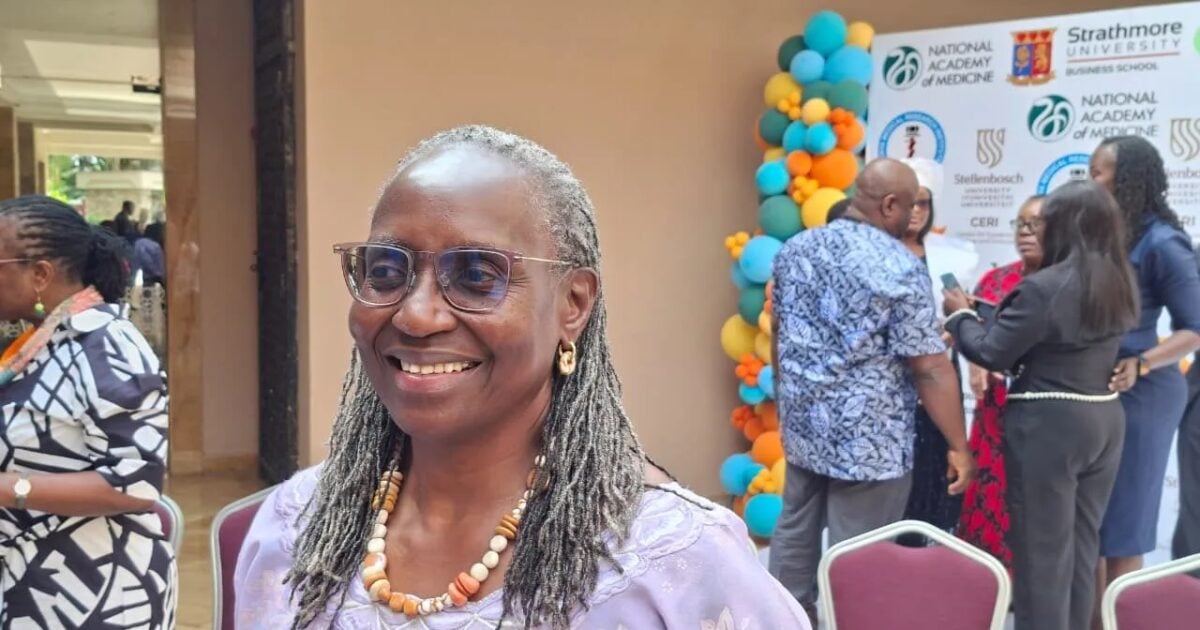
NAIROBI, Kenya, Nov 3 — African governments have been urged to commit at least 2 per cent of their Gross Domestic Product (GDP) to research and development to accelerate innovation and address persistent gaps in women’s healthcare. Kenya Medical Research Institute (KEMRI) senior principal clinical research scientist and LEA-WH Programme Director Prof. Elizabeth Bukusi said inadequate investment was limiting the ability of African scientists to turn research findings into practical solutions for health challenges affecting women across the continent.
NAIROBI, Kenya, Nov 3 — African governments have been urged to commit at least 2 per cent of their Gross Domestic Product (GDP) to research and development to accelerate innovation and address persistent gaps in women’s healthcare.
Kenya Medical Research Institute (KEMRI) senior principal clinical research scientist and LEA-WH Programme Director Prof. Elizabeth Bukusi said inadequate investment was limiting the ability of African scientists to turn research findings into practical solutions for health challenges affecting women across the continent.
Bukusi challenged governments to translate their research funding commitments into action, saying Africa had the scientific talent but lacked sufficient opportunities, training and financial support to develop locally relevant innovations.
“We have brilliant scientists and great minds on this continent. What we lack is the opportunity, the training and the funding to help them bring their ideas into actual products and impact that can change people’s lives,” she said.
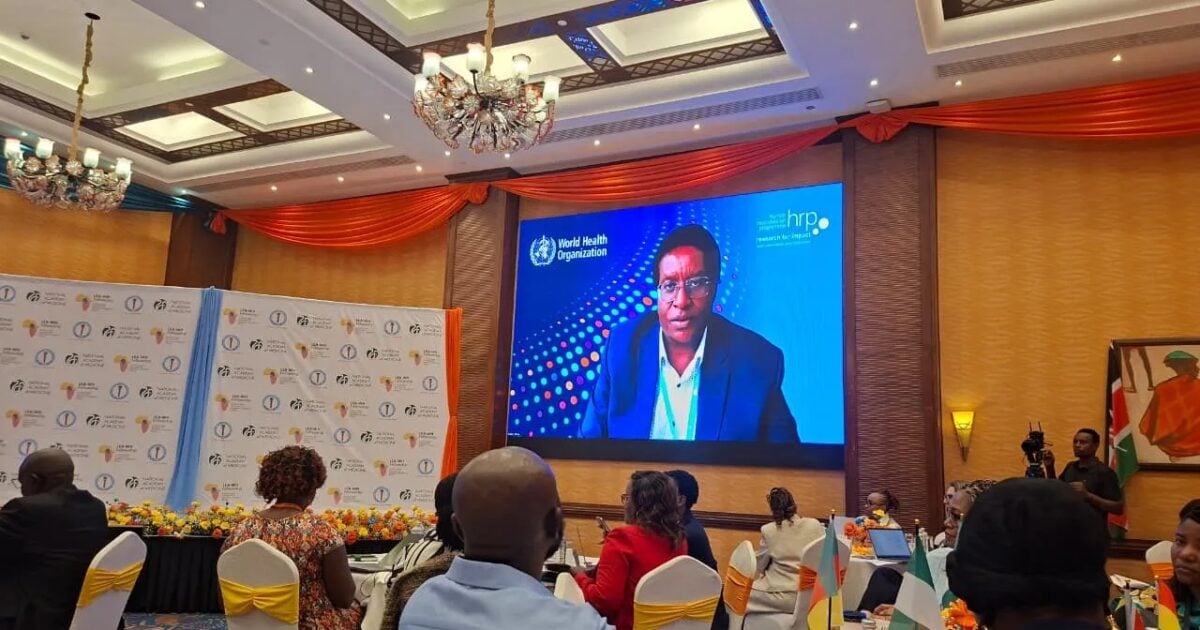
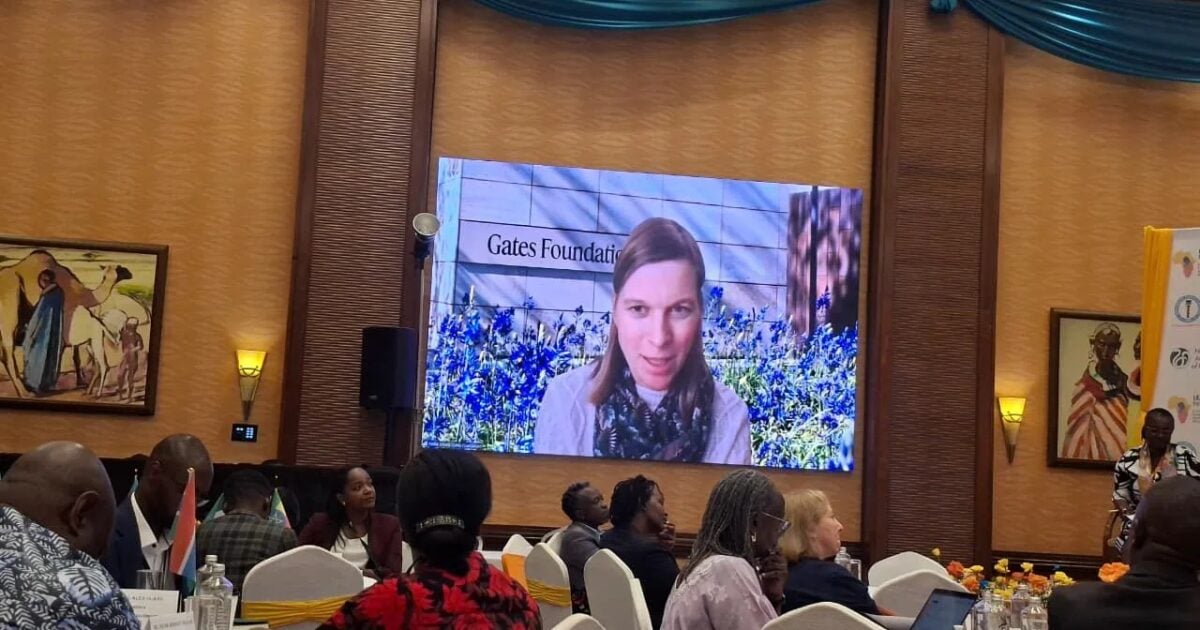
She made the remarks on the sidelines of the Women’s Health Ecosystem Forum, which is bringing together researchers and other stakeholders to strengthen research capacity and innovation in women’s health.
Bukusi said underinvestment in women’s health was partly driven by commercial considerations, with drug developers and innovators often prioritising products targeting populations with greater purchasing power.
She noted that many women, particularly low-income earners, were unable to afford healthcare products and services, despite their central role as caregivers and contributors to families and communities.
The funding gap, she said, had left several conditions affecting women under-researched and inadequately addressed, with consequences extending beyond maternal health.
Bukusi called for a broader understanding of women’s health that covers the entire life course, from adolescence and menstruation through reproductive years to menopause.
She said conditions such as heavy menstrual bleeding, painful periods, fibroids and endometriosis were often normalised, despite their impact on women’s education, work and quality of life.
“Many women suffer from heavy bleeding. Many women have pain during their periods. We have normalised it and made it seem that women are born to suffer. This is not the case,” she said.
She pointed out that menstrual pain and undiagnosed conditions could force girls to miss school and women to lose working days, affecting their productivity and economic participation.
Bukusi said African countries also needed to invest in research to generate reliable data on the health challenges facing women, warning that policy decisions made without adequate evidence risked overlooking critical needs.
“When you don’t have the data, you cannot make decisions because we need evidence-based decision-making. You need to know the numbers and what is affecting people to make decisions that can actually have an impact,” she said.
She argued that solutions developed outside Africa did not always address the continent’s realities, citing the example of vaccines that require reliable refrigeration and cold-chain infrastructure in areas where electricity and storage facilities may be unavailable.
Bukusi said strengthening local research and innovation would allow African scientists to develop products suited to the needs and circumstances of communities on the continent.
The Women’s Health Ecosystem Forum is seeking to build the capacity of African researchers and leaders to generate evidence and develop innovative responses to conditions that have historically received limited attention and investment.
Bukusi said governments needed to match their public commitments with funding, warning that the continent could not address persistent health challenges without sustained investment in research and development.
“We need to save the lives of women. We need to ensure that women live lives of high quality that allow them to live their best and productive lives. We need to put our money where our mouths are,” she said.
Bruhan Makong is a Senior News Reporter for Capital FM in Nairobi, covering diplomacy, foreign policy, national security, climate, and human rights across East Africa and the wider region.
- research
- woman
- health
- bukusi
- product
- continent
- kemri
- gdp