Okowa heads into second ballot after falling short in UN Security Council vote
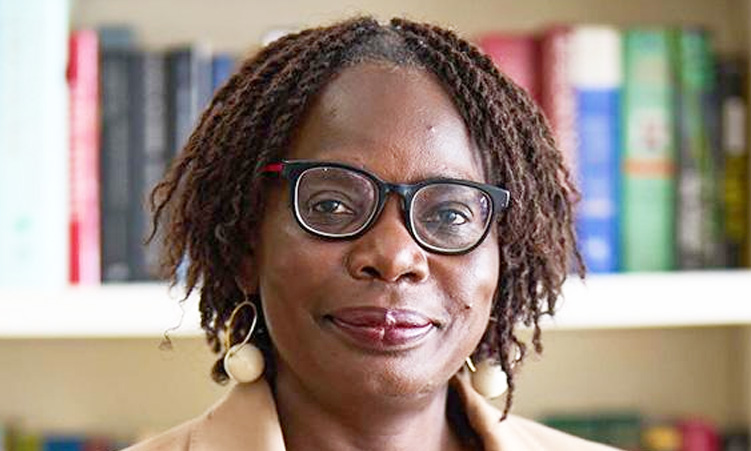
NAIROBI, Kenya, Nov 3 — Kenya’s candidate for the International Court of Justice (ICJ), Prof Phoebe Okowa, will face a second round of voting after failing to secure the required majority in the United Nations Security Council, despite winning sufficient support in the General Assembly. Kenya had mounted an extensive diplomatic campaign in support of Okowa, with Foreign Affairs Principal Secretary Korir Sing’Oei saying last week that months of engagement with UN member states had culminated in a final appeal in New York.
NAIROBI, Kenya, Nov 3 — Kenya’s candidate for the International Court of Justice (ICJ), Prof Phoebe Okowa, will face a second round of voting after failing to secure the required majority in the United Nations Security Council, despite winning sufficient support in the General Assembly.
Okowa secured six votes in the 15-member Security Council, falling two short of the eight required for election, even as she obtained an absolute majority in the General Assembly during Tuesday’s first round.
The two UN organs must independently elect the same candidates for them to secure seats on the world court, leaving Kenya’s bid unresolved as voting continues to fill the remaining vacancy.
Four candidates secured the required majorities in both organs during the first round: Dapo Akande of the United Kingdom, François Alabrune of France, Mahmoud Daifallah Hmoud of Jordan and Rena Lee of Singapore.
In the Security Council, Akande received 11 votes, Alabrune 13, Hmoud 10 and Lee 13. Ecuador’s Marcelo Vázquez Bermúdez also secured nine votes, while South Korea’s Jin Hyun Paik received seven.
Okowa’s six votes placed her below the required threshold, although the General Assembly separately confirmed that she had obtained an absolute majority in its ballot.
Following the results, the Security Council convened a second meeting to conduct another ballot for the remaining seat, with the General Assembly also proceeding to a further round of voting.
Under Article 10 of the ICJ Statute, candidates must obtain an absolute majority in both the General Assembly and the Security Council to be elected. The required threshold in the Security Council is eight votes.
The elections are being held to fill five seats whose current holders’ terms expire on February 5, 2027. Successful candidates will serve nine-year terms beginning February 6, 2027.
Kenya had mounted an extensive diplomatic campaign in support of Okowa, with Foreign Affairs Principal Secretary Korir Sing’Oei saying last week that months of engagement with UN member states had culminated in a final appeal in New York.
Sing’Oei said Kenya had presented Okowa as a candidate with the qualifications and experience needed to serve on the world court, while calling for a bench that reflects key principles of international law.
The second ballot will determine whether Okowa can secure the additional Security Council support needed to advance her bid for a seat on the ICJ.
Bruhan Makong is a Senior News Reporter for Capital FM in Nairobi, covering diplomacy, foreign policy, national security, climate, and human rights across East Africa and the wider region.
- security
- council
- okowa
- vote
- ballot
- candidate
- kenya
- majority