Reps probe Ebola preparedness, prisons seek emergency funding
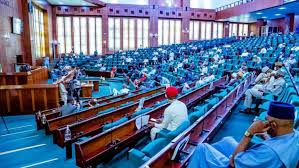
By Gift Chapi Odekina, Abuja The House of Representatives has commenced an assessment of Nigeria’s preparedness against the Ebola Virus Disease, as the Nigerian Correctional Service (NCoS) called for dedicated emergency funding, medical equipment and improved healthcare facilities in custodial centres to prevent a possible outbreak. The Controller-General of Corrections, Sylvester Nwakuche, made the call on Tuesday at a one-day public hearing organised by the joint House Committees on Infectious Diseases, Healthcare Services, Aviation and Interior at the National Assembly, Abuja.
By Gift Chapi Odekina, Abuja The House of Representatives has commenced an assessment of Nigeria’s preparedness against the Ebola Virus Disease, as the Nigerian Correctional Service (NCoS) called for dedicated emergency funding, medical equipment and improved healthcare facilities in custodial centres to prevent a possible outbreak. The Controller-General of Corrections, Sylvester Nwakuche, made the call on Tuesday at a one-day public hearing organised by the joint House Committees on Infectious Diseases, Healthcare Services, Aviation and Interior at the National Assembly, Abuja.
Nwakuche said custodial centres were particularly vulnerable to infectious disease outbreaks because of overcrowding, shared facilities, frequent human interaction and varying levels of healthcare infrastructure. He warned that an outbreak in correctional facilities could have serious consequences for inmates, personnel, visitors and surrounding communities.
The Controller-General said the Correctional Service needed to be formally integrated into national and sub-national public health emergency preparedness and response frameworks, particularly those addressing infectious disease outbreaks. “Effective prevention and containment of Ebola Virus Disease within custodial centres require adequate protective equipment, medical supplies, trained personnel and emergency response facilities,” he said.
He identified personal protective equipment, hand sanitisers, disinfectants, screening equipment, ambulances and designated isolation spaces as essential requirements for preventing and controlling infections in custodial facilities. Nwakuche also called for dedicated emergency response funding to support disease surveillance, medical interventions, procurement of essential supplies and regular training of correctional personnel.
He said the Service was committed to collaborating with the Nigeria Centre for Disease Control and Prevention (NCDC), the Federal Ministry of Health and Social Welfare, state ministries of health and other relevant agencies to strengthen surveillance, testing, referrals and emergency response. He further recommended periodic assessments of custodial facilities to determine their level of preparedness and compliance with infection prevention and control standards.
Declaring the hearing open, Speaker of the House of Representatives, Tajudeen Abbas, said the recent confirmation of an imported Ebola case in Nigeria underscored the need for sustained vigilance, stressing that public health security was inseparable from national security. Abbas said although the Federal Government had activated emergency response mechanisms, strengthened surveillance and contact tracing, and established a Presidential Task Force, the measures should not result in complacency.
He noted that the evacuation of the confirmed imported case and the absence of established onward transmission should strengthen the country’s resolve to prevent a recurrence. The Speaker recalled that the 2014 Ebola outbreak demonstrated how early detection, decisive intervention and effective coordination could determine whether an outbreak was contained or escalated into a national health emergency.
He said the public hearing was designed to assess the adequacy of Nigeria’s disease surveillance systems, laboratory capacity, isolation facilities, emergency response infrastructure and availability of protective equipment for healthcare workers. The lawmakers are also expected to examine screening arrangements at airports and other entry points, inter-agency coordination, utilisation of emergency health funds and the preparedness of state governments.
Abbas stressed that disease containment should not be left to the Federal Government alone, saying all tiers of government must understand and fulfil their responsibilities during public health emergencies. He also cautioned against misinformation, urging public institutions to provide Nigerians with accurate, timely and consistent information during health emergencies.
The Speaker, however, clarified that there were no active cases of Ebola Virus Disease in Nigeria at the time of the hearing, adding that the exercise was not intended to create public panic but to strengthen confidence through preparedness, transparency and accountability. He assured that the House would consider recommendations from the hearing and pursue legislative interventions where necessary.
Earlier, Chairman of the Joint Committee on Infectious Diseases, Amobi Godwin Ogah, said the hearing followed a resolution of the House arising from a motion he sponsored on the need for the Executive to strengthen preventive and emergency medical measures against the spread of Ebola. Ogah said reports of the outbreak in October had generated fear and apprehension among Nigerians, particularly in view of the country’s experience during the 2014 outbreak.
He recalled that the previous outbreak had taken a physical, psychological and economic toll on the countr
- emergency
- ebola
- preparedness
- disease
- facility
- health
- outbreak
- response