Sierra Leone withdraws ICJ candidate, backs Kenya’s Phoebe Okowa

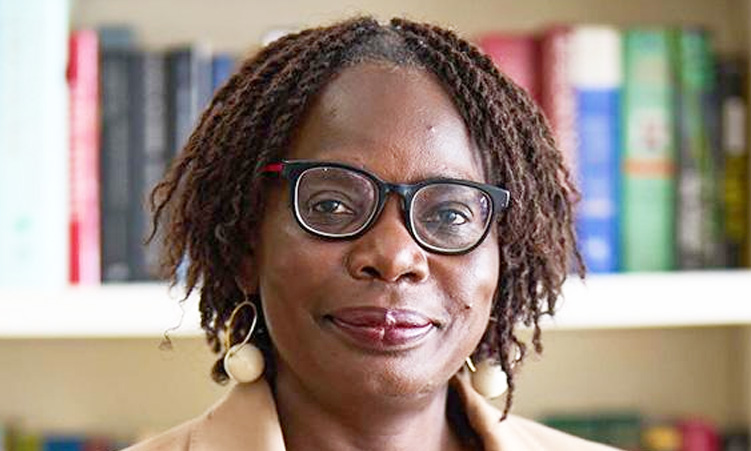
NAIROBI, Kenya, Nov 3 — Sierra Leone has withdrawn its candidate for the International Court of Justice (ICJ), Prof Charles Jalloh, and thrown its support behind Kenya’s Prof Phoebe Okowa in a move aimed at consolidating African backing for the remaining seat on the world court. Kenya had mounted an extensive diplomatic campaign in support of Okowa, with Foreign Affairs Principal Secretary Korir Sing’Oei saying last week that months of engagement with UN member states had culminated in a final appeal in New York.
NAIROBI, Kenya, Nov 3 — Sierra Leone has withdrawn its candidate for the International Court of Justice (ICJ), Prof Charles Jalloh, and thrown its support behind Kenya’s Prof Phoebe Okowa in a move aimed at consolidating African backing for the remaining seat on the world court.
The endorsement comes as Okowa’s bid remains unresolved after a second round of voting in which she secured 87 votes in the United Nations General Assembly but only four in the Security Council.
The two UN organs are proceeding to a third round of voting to fill the remaining vacancy, with candidates required to secure an absolute majority in both bodies.
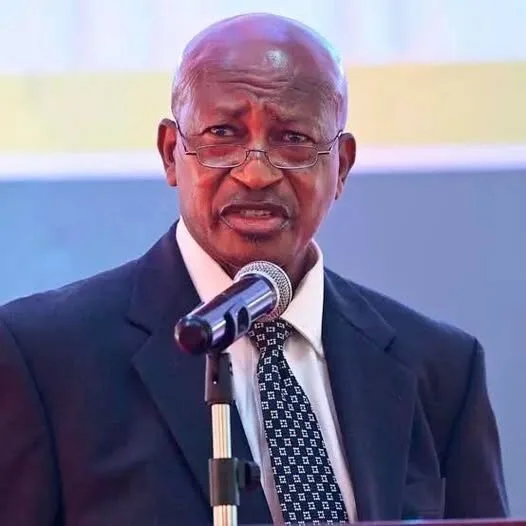
Announcing the withdrawal, Sierra Leone’s representative to the United Nations said the government had decided to abandon Jalloh’s candidature and give its full support to Okowa.
“If Africa’s vote stays divided, the continent risks losing even the one seat now open to it and falling further below its already inadequate share. Sierra Leone will not let that happen,” the envoy told the General Assembly.
The representative said the decision was driven by the need to protect Africa’s representation on the court rather than advance individual national interests.
“Saving Africa’s seat matters more than any one national candidate. Our decision puts the continent first,” the envoy said.
The envoy also cited Okowa’s judicial and academic credentials, noting that she was the first African woman elected to the International Law Commission.
Okowa’s support in the General Assembly has, however, not been matched in the Security Council, where she received four votes in the second round, below the eight required for election.
Her candidature had secured six votes in the Security Council during the first round, while she obtained an absolute majority in the General Assembly.
The election requires candidates to win an absolute majority in both the 193-member General Assembly and the 15-member Security Council. The required threshold in the Security Council is eight votes.
Four candidates — Dapo Akande of the United Kingdom, François Alabrune of France, Mahmoud Daifallah Hmoud of Jordan and Rena Lee of Singapore — were elected after securing the required support in both organs during the first round.
The remaining vacancy has since triggered successive ballots, with the outcome determining whether Okowa retains her position on the court for another nine-year term.
Kenya had mounted an extensive diplomatic campaign in support of Okowa, with Foreign Affairs Principal Secretary Korir Sing’Oei saying last week that months of engagement with UN member states had culminated in a final appeal in New York.
Sing’Oei said Kenya had presented Okowa as a candidate with the qualifications and experience needed to serve on the world court.
The election is being held to fill five seats whose current holders’ terms expire on February 5, 2027, with successful candidates set to begin their nine-year terms on February 6, 2027.
Bruhan Makong is a Senior News Reporter for Capital FM in Nairobi, covering diplomacy, foreign policy, national security, climate, and human rights across East Africa and the wider region.
- okowa
- candidate
- kenya
- sierra
- leone
- court
- support
- round