FG policies raise Nigeria’s exports by 25% – Dantsoho
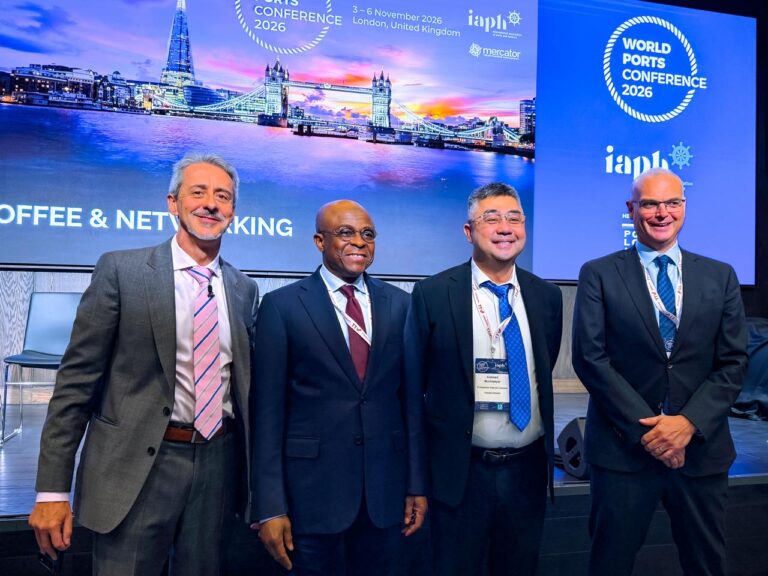
Dr Abubakar Dantsoho, Managing Director of the Nigerian Ports Authority (NPA), says Federal Government policies and reforms have increased Nigeria’s exports by 25 per cent in the last two years. Dantsoho also attributed Nigeria’s improved global port ranking to the reforms, noting that two Nigerian ports featured among the top 20 in the latest World Bank global ports ranking.
Dr Abubakar Dantsoho, Managing Director of the Nigerian Ports Authority (NPA), says Federal Government policies and reforms have increased Nigeria’s exports by 25 per cent in the last two years. Dantsoho said this on Tuesday at the ongoing Annual World Ports Conference organised by the International Association of Ports and Harbours (IAPH) in London.
Mr Ikechukwu Onyemekara, NPA’s General Manager, Corporate Communication and Strategy, disclosed this in a statement made available to newsmen in Lagos. Dantsoho said that Nigeria’s large population offered the country significant economic advantages, while recent reforms had contributed to increased cargo throughput and export volumes. He said that the growth covered not only oil and gas but also manufactured goods, agricultural products, including cocoa and cashew, as well as raw materials.
He attributed the development to improved collaboration between the NPA and major terminal operators, including APM Terminals, which had enhanced operational efficiency, export volumes and port competitiveness. The NPA boss said that the authority had established about four Export Processing Terminals to streamline export operations. He explained that the terminals operated in collaboration with terminal operators, the Nigeria Customs Service and other relevant agencies to ensure that export cargo was processed locally before shipment.
According to him, the arrangement ensures that Nigerian export products meet international standards and reduces challenges associated with quality compliance in destination markets. Dantsoho said that Nigeria was better positioned to benefit from the African Continental Free Trade Area (AfCFTA) through the reforms introduced by the administration of President Bola Tinubu.
He said that the reforms had strengthened the economy and attracted investors, creating opportunities for increased trade and cooperation among African countries. He cited Nigeria’s growing trade relations with Morocco, particularly in the manufacturing sector, noting that the North African country had emerged as a hub for electric vehicle and smaller vehicle production.
Dantsoho also attributed Nigeria’s improved global port ranking to the reforms, noting that two Nigerian ports featured among the top 20 in the latest World Bank global ports ranking. He described the achievement as a result of improved efficiency, technology adoption and effective collaboration with industry stakeholders. The NPA managing director further disclosed that revenue generated from ports across the country had quadrupled, driven by increased cargo volumes and partnerships with international investors and terminal operators.
He said that Nigerian ports had recorded significant improvements in efficiency compared with other ports in West Africa. Dantsoho, who is also President of the Association of Ports in West and Central Africa, acknowledged improvements in port operations in countries such as Tanzania and Kenya. He, however, stressed the need for African countries to strengthen collaboration and sustain ongoing reforms to enhance the continent’s competitiveness.
He said that government was investing one billion dollars in the expansion and modernisation of Apapa Port in Lagos to accommodate future growth and improve competitiveness. “Expansion and modernisation require collaboration with the private sector. “NPA is working with APM Terminals and other major players with the required capital, alongside technology partners from Singapore and elsewhere,” he said.
Dantsoho also said the NPA developed a Single Window system in 2025 in partnership with a Singaporean firm. He added that the authority was collaborating with a company in Abu Dhabi to develop a Port Community System aimed at strengthening business-to-business relationships and improving port operations. (NAN)
- dantsoho
- nigeria
- port
- export
- npa
- reform
- country
- collaboration