Experts seek soil-based fertiliser recommendations to improve yields
The experts spoke at the 2026 Nigeria Fertiliser Summit on Phosphorus and Food Security, organised by the Institute of Agricultural Research and Training (IAR&T), Obafemi Awolowo University and the Fertilizer Producers and Suppliers Association of Nigeria (FEPSAN), with the Fertilizer and Inputs Support Services Department of the Federal Ministry of Agriculture and Food Security as co-convener in Abuja. Findings presented at the summit by the Regional Hub for Fertilizer and Soil Health for West Africa and the Sahel showed that phosphorus requirements for maize and rice in northern Nigeria…
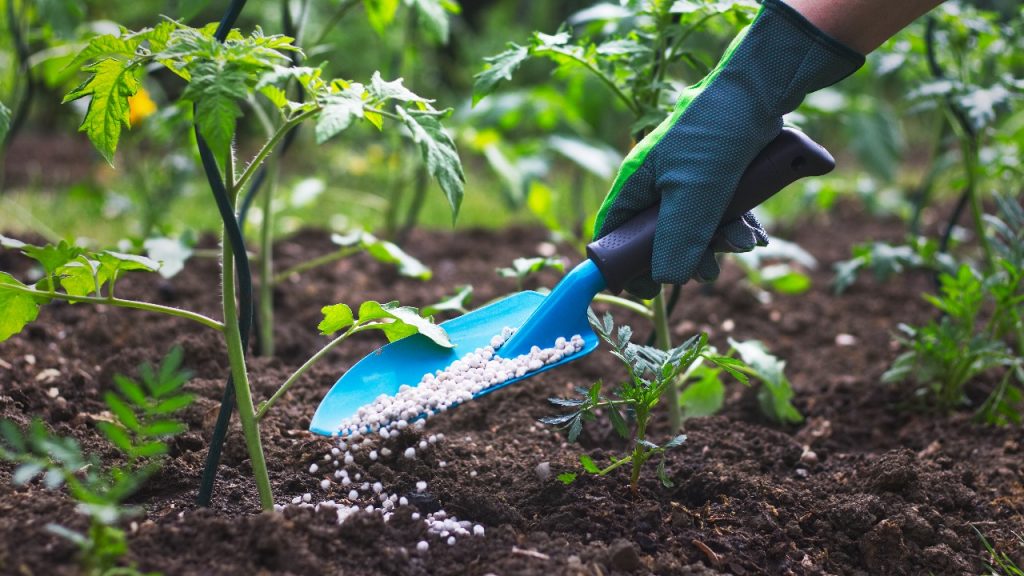
By Cynthia Alo Agricultural experts have called for a shift from one-size-fits-all fertiliser recommendations to soil-based application, warning that farmers may be wasting money on nutrients their crops do not need. They said differences in soil conditions and crop requirements meant that applying the same fertiliser rates across farming locations could result in poor nutrient use, higher production costs and lower productivity.
The experts spoke at the 2026 Nigeria Fertiliser Summit on Phosphorus and Food Security, organised by the Institute of Agricultural Research and Training (IAR&T), Obafemi Awolowo University and the Fertilizer Producers and Suppliers Association of Nigeria (FEPSAN), with the Fertilizer and Inputs Support Services Department of the Federal Ministry of Agriculture and Food Security as co-convener in Abuja.
Findings presented at the summit by the Regional Hub for Fertilizer and Soil Health for West Africa and the Sahel showed that phosphorus requirements for maize and rice in northern Nigeria ranged from zero to more than 60 kilogrammes of phosphorus pentoxide per hectare, depending on soil conditions. Phosphorus is an essential plant nutrient that supports root development, crop growth and grain formation.
However, its availability to crops varies with soil properties and farming conditions. A soil scientist and modelling expert at IAR&T, Prof. Vincent Aduramigba-Modupe, said improving agricultural productivity required more than increasing fertiliser application. “Improving crop productivity is not only about applying fertiliser. It is about ensuring the right nutrient is applied in the right amount, at the right place, and under the right conditions,” he said.
The Minister of Agriculture and Food Security, Aliyu Abdullahi, represented by the Director of Agricultural Land and Climate Change Management Services, Oshadiya Olanipekun, emphasised soil data, testing and crop-specific fertiliser recommendations as important tools for improving farmers’ outcomes. Also speaking, Prof. Jibrin Mohammed Jibrin, Visiting Scientist with the Regional Hub and Professor of Soil Science at Bayero University, Kano, described soil information as fundamental to food production.
Jibrin also called for better coordination among agricultural stakeholders, warning that fragmented interventions could undermine efforts to improve soil health. “The basis of food production and food security is the soil. You need healthy soil to produce well and feed the nation with nutritious food. To do that, you need soil intelligence. “Too many initiatives have been implemented in silos.
Real progress will come when stakeholders align, collaborate and follow through on agreed actions,” he said. Senior Agronomist at the Regional Hub, Dr. Bello Shehu, said improving phosphorus management was not about applying more fertiliser but understanding the nutrient requirements of different soils and crops. The Vice-Chancellor of Obafemi Awolowo University, Prof.
A.S. Bamire also stressed that agricultural productivity depended on responsible nutrient management, research, innovation and stronger partnerships.
- fertiliser
- soil
- crop
- food
- phosphorus
- expert
- condition
- productivity