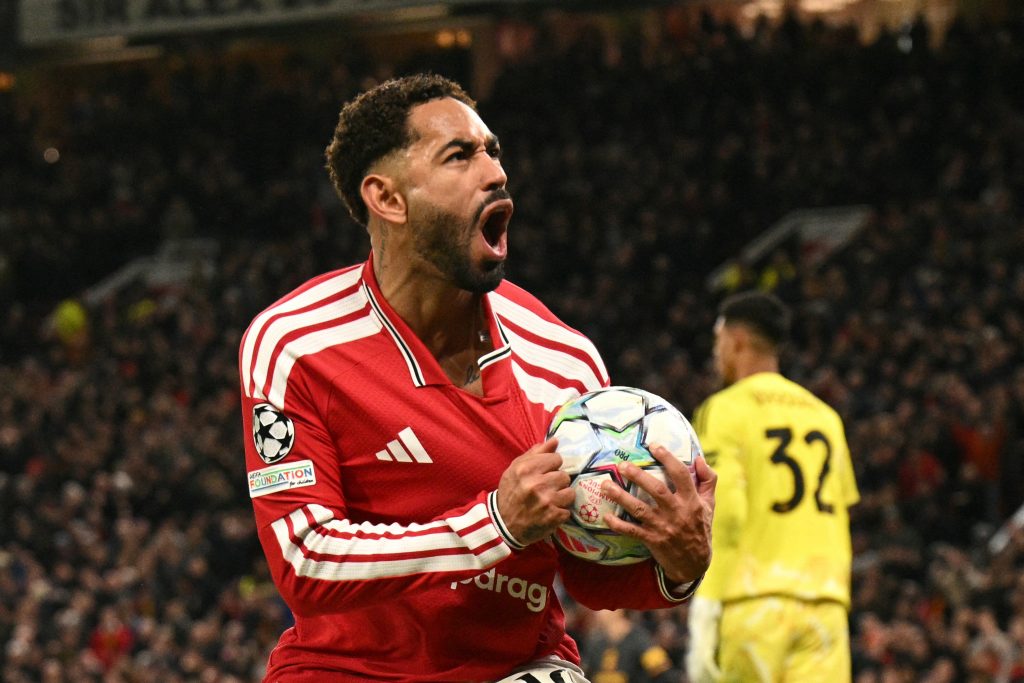
Staggs says he means no harm with refusal to sing Australian anthem
Kotoni Staggs has earned criticism for staying silent during the Australian anthem at the Rugby League World Cup, but says his decision is a personal one.
Fri, 11 Sept, 7:50 pm, Final score, Rabbitohs 10, Knights 20
Sat, 12 Sept, 4:05 pm, Final score, Warriors 16, Dolphins 26
Sat, 12 Sept, 7:50 pm, Final score, Sharks 26, Cowboys 16
Sun, 13 Sept, 4:05 pm, Final score, Panthers 19, Roosters 12
Sat, 19 Sept, 7:50 pm, Final score, Roosters 46, Sharks 10
Sun, 20 Sept, 4:05 pm, Final score, Warriors 10, Knights 12
Fri, 25 Sept, 7:50 pm, Final score, Dolphins 20, Roosters 36
Sun, 27 Sept, 4:00 pm, Final score, Panthers 14, Knights 22
Sun, 4 Oct, 7:30 pm, Final score, Roosters 19, Knights 18
Kotoni Staggs says he refuses to sing the Australian national anthem out of respect for his Indigenous elders.
Staggs and several teammates have been criticised for not singing the anthem during the Rugby League World Cup.
Staggs and Australia will next be in action in the World Cup semifinal against Samoa in Sydney on Sunday.
Kotoni Staggs says his decision not to sing the national anthem comes from a place of respect, as he and his Kangaroos teammates find themselves at the centre of a culture war.
Staggs and several fellow Australia team members, who will face Samoa in Sunday's World Cup semifinal at the Sydney Football Stadium, have been criticised throughout the tournament because of their refusal to sing the pre-game anthem.
The Brisbane centre received the backing of Broncos teammate Pat Carrigan for his stance, hoping the decision would open up a wider discussion about Australia's history.
Staggs, who has won nine caps for the Kangaroos since his debut in 2023, said: "I'm a proud Wirajudri boy and I'm proud of who I am and where I come from, and me not singing an anthem doesn't mean that I'm not grateful.
"I still love wearing that jersey. When the anthem is getting played you look around and get emotional.
"But me not singing, it's a whole different meaning to that and that's just me."
Staggs said his position on singing Advance Australia Fair came from wanting to honour his ancestors.
"Obviously in the past and what happened back in the day I've just learned from that," Staggs said.
"You also talk to your elders from back home and grandparents and stuff and [understand] what they had to go through. It's more of a respect for my elders and my family.
"I'm a proud Australian as well but at the end of the day it's just something that I've lived by, and I've got no harm in it. It doesn't take anything away from the jersey I wear."
Criticism of Staggs and other Indigenous Kangaroos stars, including Latrell Mitchell, is nothing new.
Jillaroos coach Jess Skinner, a proud Barkindji and Māori woman, has also stressed the importance of walking out alongside the Australian, Indigenous and Torres Strait Island flags during the World Cup.
"All three flags have separate meanings for our country, and it represents that we're a diverse country with many different cultures," she said.
"Our team, in particular, this 23, and our staff come from all different walks of life and cultural backgrounds, and we celebrate that diversity. That's a reflection of our country.
"You know, the blue flag is really important to everybody, just as equally as our Aboriginal and Torres Strait Islander flag.
"So when you look at the values of that and you educate yourself about those flags, then you can't help but be passionate to be a proud Australian."
Former Australian Test coach Mal Meninga previously defended players for their firm stance on the matter of the anthem.
Carrigan is of the opinion athletes should have the right to stand up for what they believe in.
"As sports people there's a focus on us as role models, but it probably points to a greater conversation for us to have as a society outside of football," Carrigan said.
"And about the reason why the boys feel the way about the anthem and perhaps our history as a country too.
"I know that each and every boy here is proud to pull on the green and gold.
"People may say it's represented in singing an anthem. I love Australia and I'm proud to pull on this jersey and I love running out with these guys too.
"I think it's a unique opportunity in sport that we get to be role models and voice opinions on different things, and maybe that's a way for us to look at ourselves as a country and how we can continue to come together."
- staggs
- anthem
- harm
- refusal
- kotoni
- criticism
- rugby
- league