business

Nigeria’s high production costs threaten industrial competitiveness — Feese

By Favour Ulebor, Abuja The Nigeria Economic Summit Group has warned that high production costs, unreliable electricity and poor logistics infrastructure are undermining Nigeria’s industrial competitiveness, calling for a council within the Presidency to coordinate industrialisation policies. Co-facilitator of the NESG, Lumun Feese, said Nigeria needed a coordinated approach to industrial development to address structural challenges and enable local manufacturers to compete effectively in African markets.

By Favour Ulebor, Abuja The Nigeria Economic Summit Group has warned that high production costs, unreliable electricity and poor logistics infrastructure are undermining Nigeria’s industrial competitiveness, calling for a council within the Presidency to coordinate industrialisation policies. Co-facilitator of the NESG, Lumun Feese, said Nigeria needed a coordinated approach to industrial development to address structural challenges and enable local manufacturers to compete effectively in African markets.

She spoke at a breakout session on building an integrated industrial ecosystem during the 32nd Nigeria Economic Summit on Tuesday in Abuja. Feese said Nigeria had dropped from eighth to 14th position on the African Development Bank’s Africa Industrialisation Index, although she noted that the methodology had changed and more countries had been included in the latest ranking.

She said, “We are not maximising our potential and our large economy. “How do we go and compete in South Africa when our cost of production is so high? Power, logistics and so on and so forth.” She added that Nigeria needed to move beyond its domestic market and develop the capacity to supply other African countries. Feese said the proposed industrialisation, competitiveness and regional integration council would provide a central coordinating platform within the Presidency to align government policies, improve implementation of the National Industrial Policy and strengthen private-sector participation.

She said Nigerian businesses needed reliable power, efficient transportation systems and lower production costs to take advantage of the African Continental Free Trade Area, which offers access to a wider continental market. Feese said the recommendations followed consultations on mining, the blue economy, power, oil and gas, and industrial competitiveness.

She urged businesses and other stakeholders to sustain their engagement with the NESG’s Industrial Policy Commission, saying coordinated policies and consistent implementation were necessary to achieve measurable industrial growth.

  • nigeria
  • feese
  • production
  • competitiveness
  • policy
  • cost
  • industrial
  • industrialisation

Summaries and tags are generated automatically. Stay informed with VidiaNews.

Related news

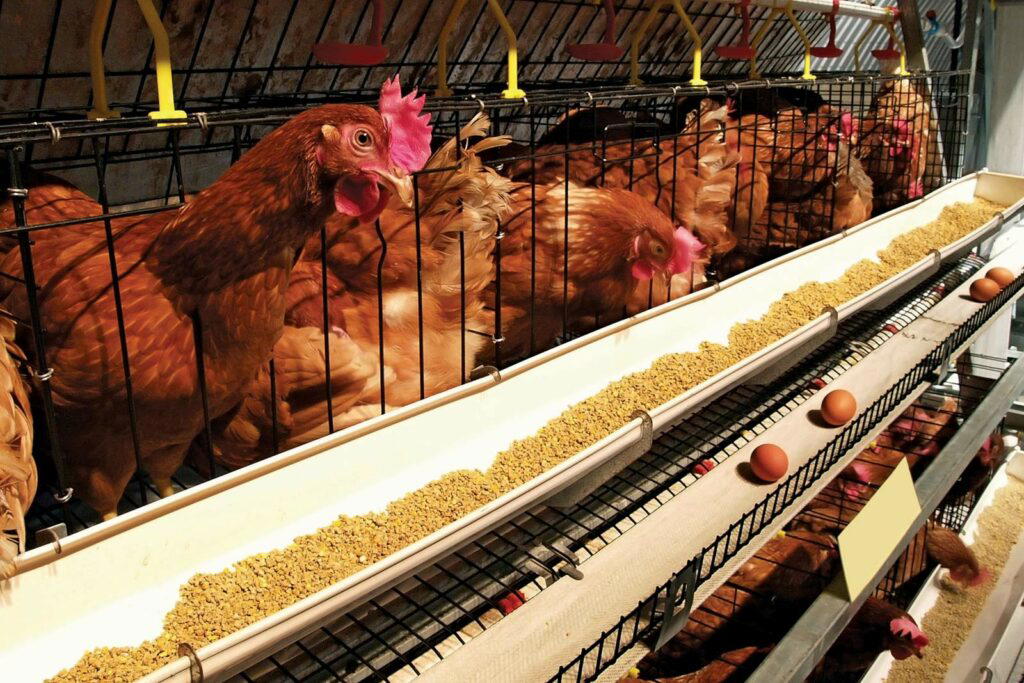
Rising feed costs threaten poultry, livestock farming in 3 states
business

Rising feed costs threaten poultry, livestock farming in 3 states

Farmers in Niger, Kogi and Nasarawa states have warned that rising feed costs, expensive day-old chicks and poor market prices threaten livestock production and livelihoods. Mrs Oluwaseyi Fadaka, another Lokoja-based farmer, said a bag of feed now cost about N22,000, with her 40 Noiler birds consuming one regularly.

Read →
REFORMS: Oil output has grown by 600,000bpd since PIA — NNPC
business

REFORMS: Oil output has grown by 600,000bpd since PIA — NNPC

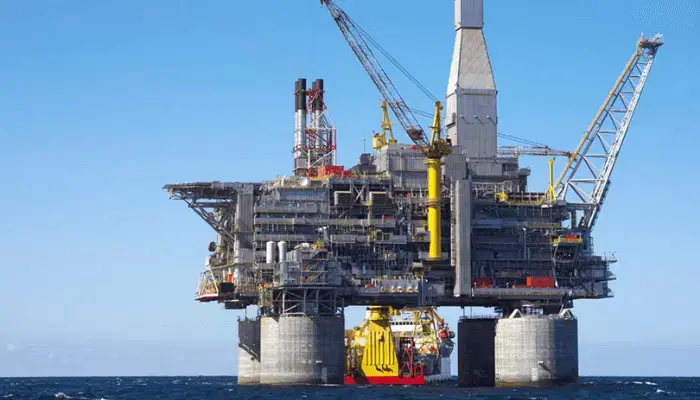
By Obas Esiedesa, Abuja Nigeria’s crude oil production has increased by 600,000 barrels per day (bpd), from about 1.2 million bpd to 1.8 million bpd, following the implementation of the Petroleum Industry Act (PIA) and reforms in the oil and gas sector, the Nigerian National Petroleum Company Limited (NNPC) has said. Group Chief Executive Officer of NNPC Limited, Mr Bashir Bayo Ojulari, disclosed this yesterday at the 2026 Abu Dhabi International Petroleum Exhibition and Conference (ADIPEC) in Abu Dhabi, United Arab Emirates.

Read →
JP Morgan’s Nigeria expansion to boost foreign investment — IMPI
business

JP Morgan’s Nigeria expansion to boost foreign investment — IMPI

By Joseph Erunke, Abuja The Independent Media and Policy Initiative (IMPI) has said the planned expansion of global financial giant JP Morgan Chase into Nigeria’s merchant banking sector could attract fresh foreign investments, improve corporate financing and strengthen the country’s access to international capital markets. “JP Morgan Chase’s move to secure a national merchant banking licence in Nigeria marks a significant shift in West Africa’s corporate finance landscape,” IMPI said.

Read →
Nigeria needs 10% growth to reduce poverty — Peterside
business

Nigeria needs 10% growth to reduce poverty — Peterside

By Favour Ulebor, Abuja Businessman and former Nigerian Stock Exchange chairman, Atedo Peterside, has said Nigeria’s economic growth rate of about four per cent is inadequate to generate the jobs and investment needed to lift citizens out of poverty, insisting that the country must target annual growth of 10 per cent. Also speaking, the Emir of Kano, Muhammadu Sanusi II, acknowledged improvements in some economic indicators but cautioned that headline growth figures did not necessarily reflect the welfare of Nigerians.

Read →
PIA reforms lift oil output by 600,000bpd — NNPC
business

PIA reforms lift oil output by 600,000bpd — NNPC

…Company targets two million bpd production by 2027 By Obas Esiedesa, Abuja Nigeria’s crude oil production has increased by 600,000 barrels per day (bpd), from about 1.2 million bpd to 1.8 million bpd, following the implementation of the Petroleum Industry Act (PIA) and reforms in the oil and gas sector, the Nigerian National Petroleum Company Limited (NNPC) has said. The Group Chief Executive Officer of NNPC Limited, Mr Bashir Bayo Ojulari, disclosed this on Tuesday at the 2026 Abu Dhabi International Petroleum Exhibition and Conference (ADIPEC) in Abu Dhabi, United Arab Emirates.

Read →
PAMA backs FG’s commitment to affordable long-term industrial financing
business

PAMA backs FG’s commitment to affordable long-term industrial financing

By Yinka Kolawole The Pan African Manufacturers Association (PAMA) has welcomed the Federal Government’s commitments to improve energy supply, provide affordable long-term financing for industries, strengthen local procurement, secure industrial corridors and establish quarterly engagements with manufacturers. Held under the theme, “Leveraging National Industrial Policy to Position Nigeria as Africa’s Industrial Hub,” the AGM focused on implementing the Nigeria Industrial Policy 2025 (NIP 2025), enhancing manufacturing competitiveness, expanding access to industrial finance, reducing energy…

Read →