general

Why even a strong El Niño does not guarantee a poor Indian monsoon

Why even a strong El Niño does not guarantee a poor Indian monsoon

The IMD refers to this level as 'deficient’. However, 1997 had ‘average’ rainfall

A farmer walks on dry farmland in Shivamogga district, Karnataka, on September 16, 2026.

In the summer of 1997, one of the strongest El Niños of the 20th century took shape in the Pacific Ocean. The India Meteorological Department (IMD) predicted a monsoon rainfall deficit of 8% below the average, as was expected in El Niño years. However, by the end of September that year, rainfall levels were nearly normal.

This year, a “ferocious” El Niño is taking shape, and is expected to peak only in December. The 2026 southwest monsoon ended nearly 13% below the long-term average of 87 cm. East and Northeast India had their driest season since records began in 1901.

agricultural research and technology / climate change / weather science / Monsoon / rains

  • monsoon
  • rainfall
  • niño
  • level
  • term
  • average
  • imd
  • season

Summaries and tags are generated automatically. Stay informed with VidiaNews.

Related news

Two centenaries in Mylapore/Santhome
general

Two centenaries in Mylapore/Santhome

In terms of historicity of course it pales in comparison to the Law College Pumping Station which has seen action from the time when gravity was the sole method of sewage reaching the sea. That involved something called Kelly’s Bottle but that is another story, for another day and another column

Read →
Cocoa farmers hope for March recovery after season starts poorly
general

Cocoa farmers hope for March recovery after season starts poorly

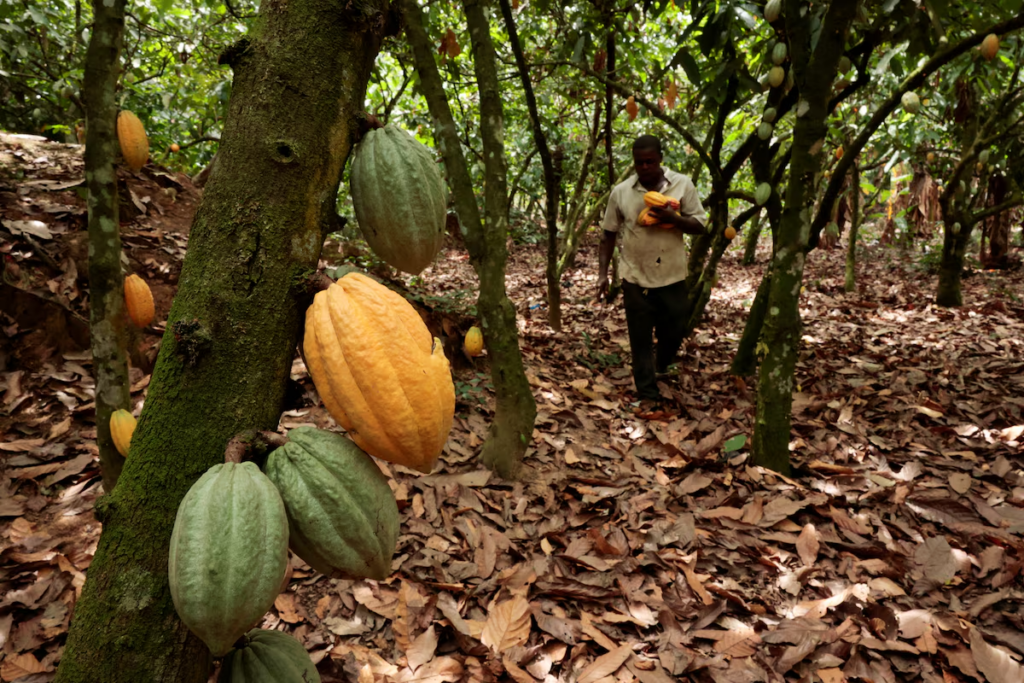
OUTPUT EXPECTED TO FALL ​THIS SEASON Ghana’s cocoa regulator COCOBOD told Reuters in July that output was expected to ​fall by at ⁠least 16% this season, citing factors including the El Nino weather pattern and excessive rain in May and June. The Ghana Meteorological Agency in a ⁠statement on ​Sunday confirmed a strong El Nino, warning that conditions could ​expose parts of the country to prolonged dry spells, potentially affecting agricultural production.

Read →