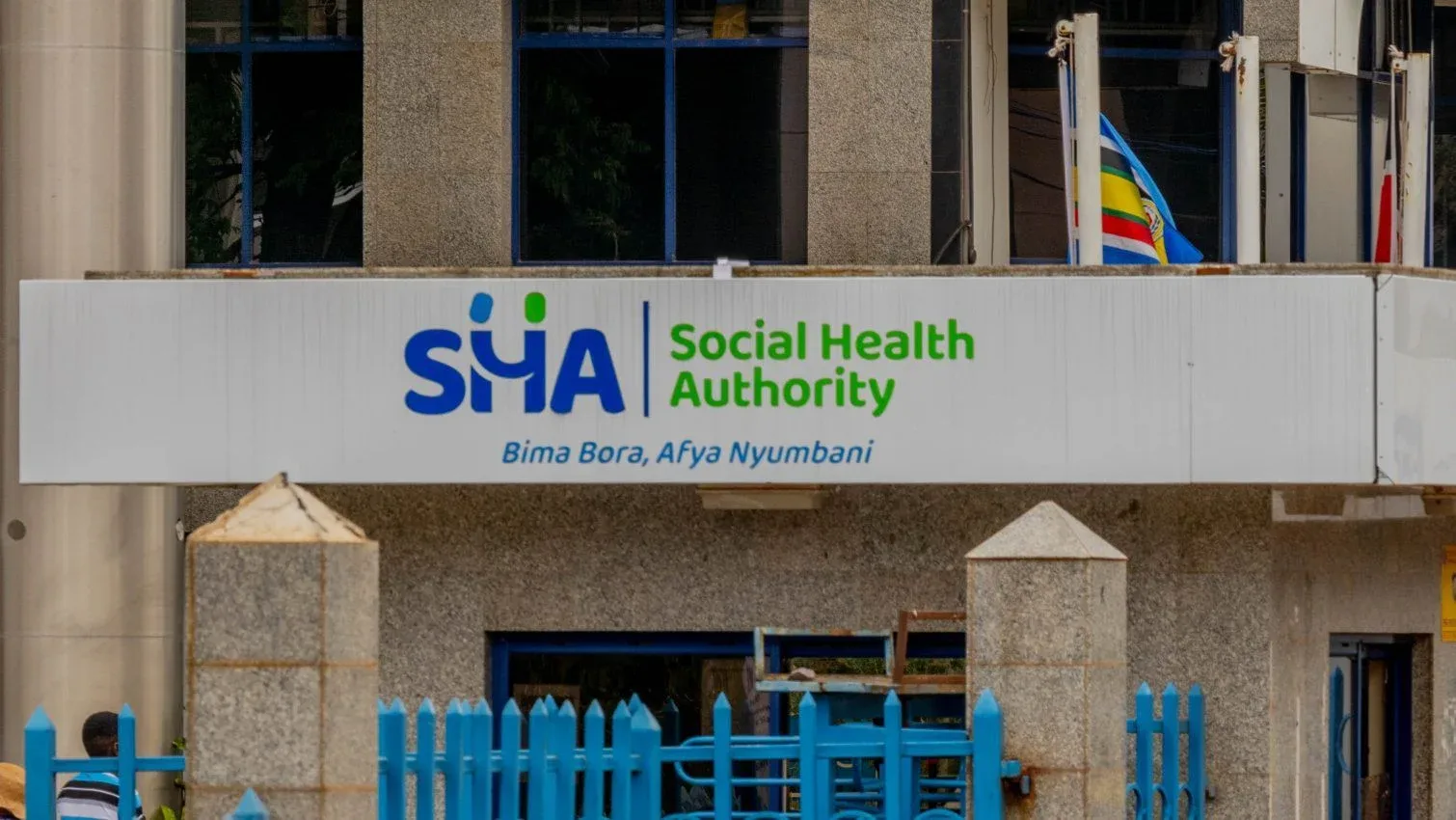
SRC escalates judges’ benefits dispute with JSC to Court of Appeal

NAIROBI, Kenya, Nov 4 — The Salaries and Remuneration Commission (SRC) will appeal a High Court ruling limiting its authority to determine benefits for judges and judicial officers, arguing that the Constitution gives it exclusive powers over the remuneration and benefits of State officers. However, the court found that the Judiciary had negotiated its medical cover, which was funded through its budget approved by Parliament, and that SRC could not unilaterally reduce the benefits.
NAIROBI, Kenya, Nov 4 — The Salaries and Remuneration Commission (SRC) will appeal a High Court ruling limiting its authority to determine benefits for judges and judicial officers, arguing that the Constitution gives it exclusive powers over the remuneration and benefits of State officers.
In a statement issued on Wednesday, the Commission affirmed its authority under Article 230(4) of the Constitution which “mandates SRC to set and regularly review the remuneration and benefits of all State officers”, maintaining that its mandate extends to allowances and other benefits.
The Commission argued that the Judicial Service Commission (JSC), under Article 172(1)(b)(i), is responsible for reviewing and making recommendations on the conditions of service of judges and judicial officers.
SRC said excluding the Judiciary from standardised allowances risks creating divergent compensation structures across the public service, potentially triggering parity claims, increased fiscal pressure and further litigation.
It also warned that allowing different institutions to determine allowances independently could undermine consistency in the management of public-sector remuneration and benefits.
The planned appeal follows a judgment delivered on October 23, 2026, in the case of Marion Joy Onchagwa v Salaries and Remuneration Commission, Petition No. HCCHRPET/E492/2023.
The court held that SRC’s mandate over judges and judicial officers is limited to remuneration, while JSC retains responsibility for other conditions of service, including benefits.
“The respondent’s mandate is limited to remuneration for judges and judicial officers while the rest of the terms and conditions of service are reviewed and recommended by the 2nd interested party,” Justices Chacha Mwita and Roselyne Aburili determined.
The dispute arose from an SRC letter dated October 13, 2023, which reduced optical and dental medical cover for judges from Sh200,000 to Sh75,000 each and daily subsistence allowance (DSA) from Sh25,000 to Sh18,000.
SRC had argued before the court that it set the medical cover at Sh75,000 and reduced DSA to Sh18,000 to harmonise the allowance across public institutions.
However, the court found that the Judiciary had negotiated its medical cover, which was funded through its budget approved by Parliament, and that SRC could not unilaterally reduce the benefits.
On DSA, the court ruled that the allowance was not part of remuneration and therefore fell within JSC’s mandate.
“Setting and reviewing of DSA was not part of respondent’s mandate because DSA is not part of remuneration,” the judgment stated.
The court further held that the downward revision of the allowance interfered with JSC’s constitutional mandate and the independence of the Judiciary.
It also ruled that the Special Judicial Duty Allowance was outside SRC’s mandate, noting that it was not paid to all judges and judicial staff and was determined by JSC.
The judgment declared that SRC had encroached on JSC’s mandate by making decisions on the welfare of judges, judicial officers and judicial staff beyond its constitutional powers.
It also found that SRC violated Article 160(4) of the Constitution by varying medical cover and DSA for judges, provisions protected against changes that disadvantage judges.
The court consequently issued an order quashing SRC’s October 13, 2023 letter to the extent that it dealt with benefits of judges, judicial officers and judicial staff other than remuneration.
However, the court dismissed complaints relating to transport allowance and car loans, finding that the petitioner had not provided sufficient evidence to support the claims.
SRC says it intends to challenge the ruling because of its wider implications for the constitutional framework governing public-sector remuneration and benefits.
- src
- court
- jsc
- judge
- remuneration
- benefit
- allowance
- officer