politics

Minority warns against ‘elective dictatorship’, calls for fairness in Parliament

Minority warns against ‘elective dictatorship’, calls for fairness in Parliament

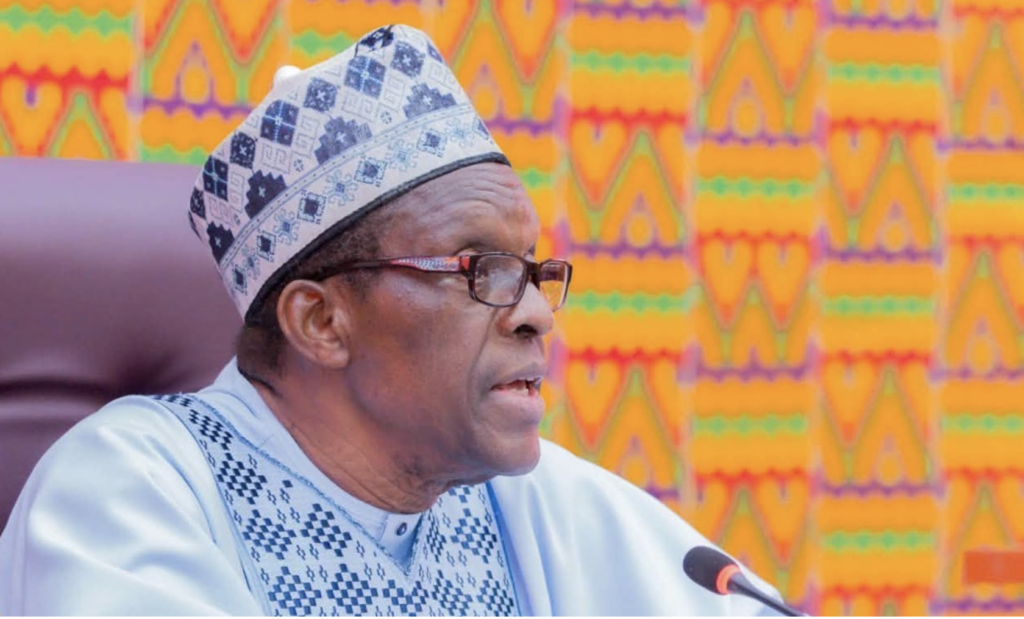
The Minority Leader, Alexander Afenyo-Markin, has warned that executive dominance and the suppression of parliamentary scrutiny could create an “elective dictatorship”, urging the Speaker of Parliament to ensure fairness and protect the rights of the Minority. His comments followed Tuesday’s removal of the Member of Parliament for Damongo, Samuel Abu Jinapor, from the Chamber by a Parliamentary Marshal after he refused to withdraw an allegation against Foreign Affairs Minister Samuel Okudzeto Ablakwa.

The Minority Leader, Alexander Afenyo-Markin, has warned that executive dominance and the suppression of parliamentary scrutiny could create an “elective dictatorship”, urging the Speaker of Parliament to ensure fairness and protect the rights of the Minority. He said an electoral mandate did not give any government the authority to undermine accountability, stressing that parliamentary majorities must respect constitutional limits and allow opposing views to be heard.

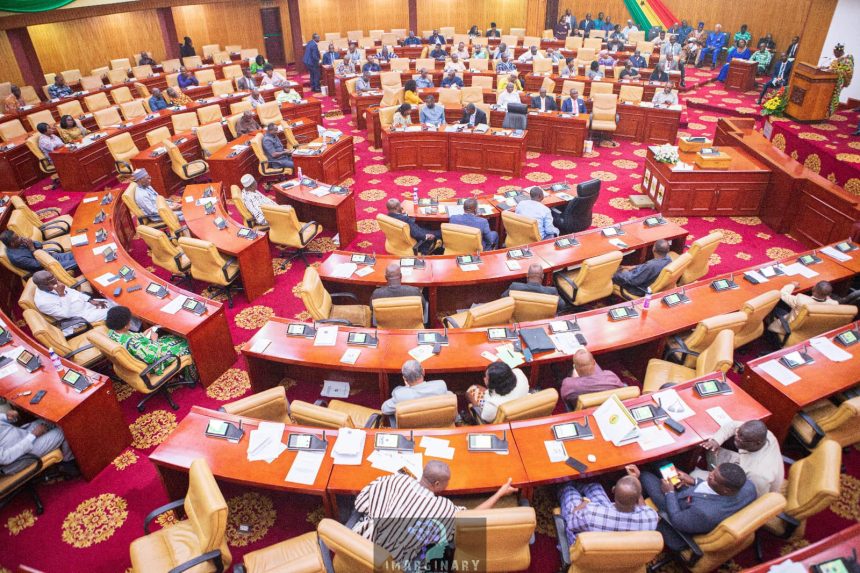
Addressing the media on Wednesday, November 4, Mr Afenyo-Markin said the growing frustration over the Minority’s ability to scrutinise government actions posed a threat to effective parliamentary oversight. His comments followed Tuesday’s removal of the Member of Parliament for Damongo, Samuel Abu Jinapor, from the Chamber by a Parliamentary Marshal after he refused to withdraw an allegation against Foreign Affairs Minister Samuel Okudzeto Ablakwa.

Mr Afenyo-Markin cautioned the NDC Majority against assuming that its numerical strength gave it unlimited authority, reminding members that the electorate could withdraw its mandate. Read also: Abu Jinapor escorted out of Parliament after refusing to withdraw passport allegation against Ablakwa “People who give you power can take it away,” he said, drawing lessons from the United States midterm elections, which he cited as an example of how voters could change the balance of political power.

He argued that an electoral victory came with the responsibility to govern within constitutional limits and did not confer the right to silence scrutiny. The Minority Leader also called on the Speaker to remain a neutral arbiter in parliamentary proceedings, insisting that disagreements should not automatically be treated as acts of disrespect. He urged the Speaker to exercise authority with patience and ensure that both sides of the House were given a fair opportunity to make their cases.

“We therefore respectfully ask that challenges be met with composure, disagreement distinguished from disrespect, and authority exercised with patience,” he said. Mr Afenyo-Markin maintained that Parliament must allow allegations against public officials to be examined on their merits, rather than frustrate attempts by the opposition to demand accountability.

“Let a mighty minority make its case. Let the evidence be examined. Let the minister be heard. Let Parliament perform its duty. And let the people decide. This is what we call for,” he added.

  • minority
  • parliament
  • dictatorship
  • fairness
  • afenyo
  • markin
  • authority
  • speaker

Summaries and tags are generated automatically. Stay informed with VidiaNews.

Related news

Government recommends GH¢2.28bn allocation for Parliament in 2027
politics

Government recommends GH¢2.28bn allocation for Parliament in 2027

The recommendation, contained in a letter from President John Dramani Mahama to the Speaker of Parliament, was presented to the House by Speaker Alban Bagbin on Monday, November 23, during Parliament’s 12th sitting. Speaker Bagbin referred Parliament’s estimates to the Committee on Parliament, the leadership of the Budget Committee and the Finance Committee for consideration and a report to the House.

Read →
Bagbin raises concerns over reduction in Parliament’s 2027 budget allocation
politics

Bagbin raises concerns over reduction in Parliament’s 2027 budget allocation

The Speaker of Parliament, Alban Bagbin, has expressed dissatisfaction with a reduction in Parliament’s proposed budget allocation for the 2027 financial year, warning that it could affect the effective functioning of the House. The Speaker consequently referred the matter to the Committee on Parliament, alongside the leadership of the Budget and Finance Committees, to consider the proposed allocation and report to the House.

Read →
Government allocates over GH¢5bn to Legislature, Judiciary and Audit Service for 2027
politics

Government allocates over GH¢5bn to Legislature, Judiciary and Audit Service for 2027

The Government has allocated over GH¢5 billion to Parliament, the Judiciary and the Ghana Audit Service for the 2027 financial year, in line with Article 179 of the 1992 Constitution, which provides for budgetary allocations to state institutions. The allocations cover the expenditure requirements of the three institutions for the 2027 financial year, with Parliament receiving a recommended GH¢2,283,561,480, the Judiciary GH¢1,426,188,719.02 and the Ghana Audit Service GH¢1,315,963,661.

Read →
Jinapor faults Mahama government over GH¢34.6bn underspending
politics

Jinapor faults Mahama government over GH¢34.6bn underspending

Damongo MP Samuel Abu Jinapor has criticised the Mahama administration over what he describes as a persistent failure to translate approved budget allocations into actual spending, warning that poor fund releases are undermining government programmes. Mr Jinapor cited the School Feeding Programme, Livelihood Empowerment Against Poverty (LEAP) and Capitation Grant as examples of interventions affected by the funding gaps.

Read →
Abu Jinapor accuses Mahama government of repeating promises as living costs remain a concern
politics

Abu Jinapor accuses Mahama government of repeating promises as living costs remain a concern

The Ranking Member on Parliament’s Foreign Affairs Committee, Samuel Abu Jinapor, has criticised the government over what he considers a widening gap between its economic claims and the financial realities confronting ordinary Ghanaians. Mr Jinapor further argued that the government must demonstrate how its budgetary allocations would translate into completed projects, improved living conditions and tangible economic benefits for citizens.

Read →