Trump’s billionaire-blue collar coalition has been smashed by class politics

As tech bosses get richer and ordinary Americans struggle, Democrats put the case against the US’s grotesque unfairness – and voters responded Remember the “vibe shift”? Just last year, columnists and corporate boardrooms alike declared that the second coming of Donald Trump meant the old rules of politics and even everyday civility were roadkill.
As tech bosses get richer and ordinary Americans struggle, Democrats put the case against the US’s grotesque unfairness – and voters responded
Remember the “vibe shift”? Just last year, columnists and corporate boardrooms alike declared that the second coming of Donald Trump meant the old rules of politics and even everyday civility were roadkill.
“I feel liberated,” one top banker told the Financial Times. “We can say ‘retard’ and ‘pussy’ without the fear of getting cancelled … it’s a new dawn.”
Bliss was it in that dawn to be alive, but to be a billionaire was very heaven. Because in Trump, the tech bosses had a politician who could work magic by forging a forever alliance between them and blue-collar America. This was the very core of Trumpism, the trick that wowed rightwingers around the world: how he could yoke together minimum-wage workers with the 1%; Latinos and black voters with those happy to dabble in a little light racism; the Epstein-haters with the Epstein class (who can forget Elon Musk’s email to Jeffrey: “What day/night will be the wildest party on your island?”). And he did it by alchemising class antagonism into culture war. Forget about that pay rise – have you have heard about those Haitians eating dogs?
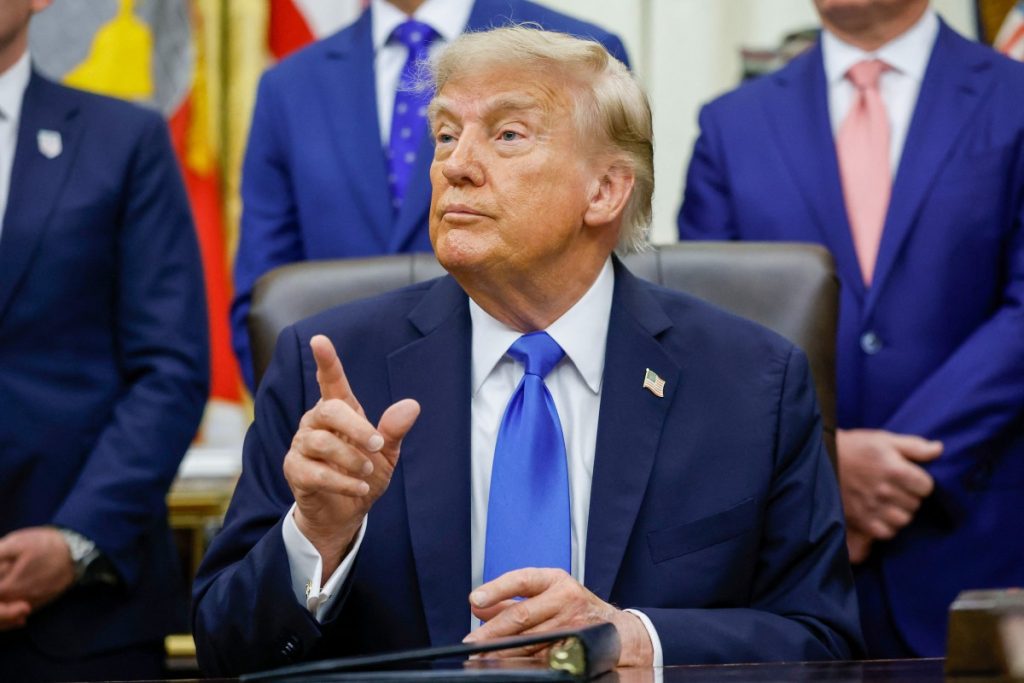
Silicon Valley, Wall Street and east coast media owners all saw Trumpism not as a political strategy but as a turn in the entire culture: a vibe shift to the right. They were wrong. Tuesday night was a comprehensive rejection of the president. Before the midterms, ultra-wealthy donors such as Musk poured billions into Trump’s proxies, but the working- and middle-class base were not having it. The relatively new coalition that put the orange man in the White House has been smashed apart by old-fashioned class politics.
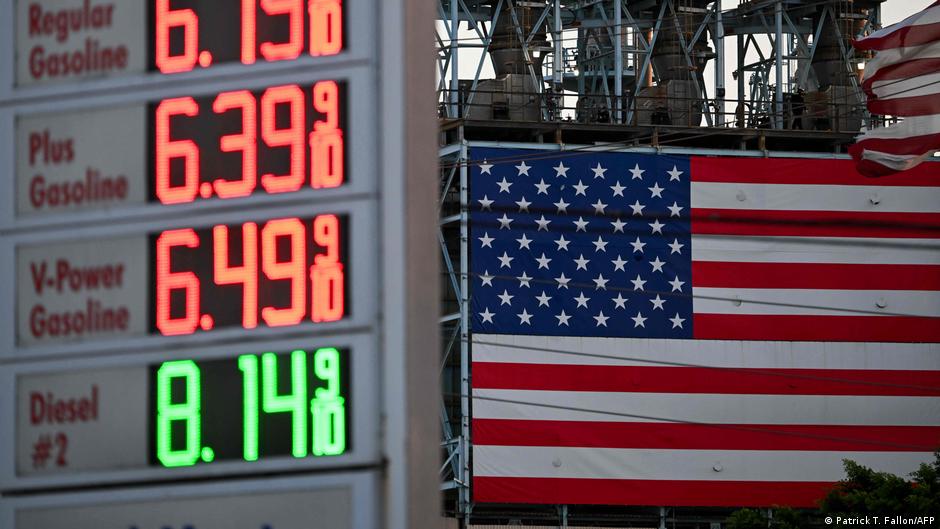
When election analysts observe that the struggle of ordinary Americans to afford the basics of life now “polls in a tier by itself”, that is class rearing its head. It is a response to the record petrol prices in a car-centred society, the huge swings in everything from eggs to mincemeat, the battle to meet the rent. The squeamish, including within the Democratic establishment, might euphemise these as “economic issues” or “affordability”, but remember that this time last year, the democratic socialist Zohran Mamdani turned affordability from a meme into a platform for winning elections. In late 2026, and going into the next battle for the White House, the New York mayor now wields national influence.
Among Mamdani’s achievements has been his reminder to ordinary voters that when they can’t afford the basics, it’s not just because prices are unreasonably high – it’s also because their pay is unfairly low. He has tied the cost of living to an argument about inequality, and rightly so.
Over decades – through Reagan and Clinton, Bush and Obama – Republicans and Democrats have changed the tax code to reward ownership rather than earning, so the richest 400 households now pay lower rates of tax than the bottom 50% of Americans. As the radical economists Fred Magdoff and John Bellamy Foster show in their new book, Grand Theft Capital: What Workers Should Know About the Affordability Crisis, the share of national income going to ordinary workers has slumped from 30% in the 1960s to 20% today. This is the destruction of working-class lives and dreams in which Republicans and Democrats colluded. This is the American carnage that in 2016 helped propel Trump into the White House. But the most glaring feature of this era of Trumponomics has been its shameless inequality.
The “hottest country in the world”, as the president calls it, relies on AI for growth. For the first half of 2025, the Harvard economist Jason Furman estimated that spending on AI infrastructure made up 92% of GDP growth. These supposedly national gains are getting raked off by a tiny number of people and funds, based overwhelmingly in one strip on the west coast.
In October, the fund manager Apollo pointed out that, of the entire S&P index of America’s biggest 500 companies, only the so-called “magnificent seven” tech firms were flourishing. The other 493 were seeing flat revenues and flat profits. Torsten Slok, Apollo’s chief economist, wrote: “Despite massive investments and widespread hype around artificial intelligence, the technology has delivered zero financial payoff to corporate America.”
Billions for Sam Altman and Dario Amodei and Jensen Huang; a pittance for those outside Silicon Valley. No wonder the most reviled candidate on so many of this week’s ballots was the datacentre: the energy-sapping, water-sucking, community-destroying datacentre that merely aids the processing of humans into appendages to chatbots. Analysis for the Economist showed that Trump supporters with a datacentre on their doorstep were flipping in droves to the other side.
The politics of this played out most clearly in Texas, which on Tuesday night flipped from red to blue, despite a quarter of a billion dollars for the Republicans in the state from one man: Elon Musk. Texas is the AI overlord’s home and a vital base for his businesses. Over the next few years Texas is expected to become the US’s centre for datacentres. In just two years, it is expected to provide over a quarter of all new computing power to the AI industry. James Talarico won on a squarely anti-datacentre agenda.
As he said after his win: “The real fight in this country is not left versus right. It is top versus bottom … The people at the top divide us by party, by race, by gender, by religion, by culture, so we don’t notice that they are picking our pockets. But tonight, we sent a crystal clear message to the people at the top, we will not be conquered.”
The Democrats who caught the national and global imagination this autumn were those who most stridently put the case against the US’s grotesque, life-destroying unfairness and for a better politics – just as Mamdani did. Troy Jackson won Maine on a platform to abolish ICE. Abdul El-Sayed took Michigan (Michigan!) pledging Medicare for all.
These results suggest a new future for the Dems: anti-corruption, anti-war and anti-billionaire. In the days of Bill and Hillary, this would have been deemed impossibly leftwing. But mark my words: the Democrat who wants to get on the ticket in 2028 will sound more like Bernie Sanders.
For now, rejoice that a corrupt self-dealing bully is heading into two years of ignominy, of being treated even while in power as a back number. And remember that when politicians and journalists claim there is nothing better on offer than the same old rightwing rubbish, they’re usually wrong. “I could stand in the middle of Fifth Avenue and shoot somebody, and I wouldn’t lose any voters, OK?” Trump once said. “It’s, like, incredible.”
Aditya Chakrabortty is a Guardian columnist
- trump
- collar
- coalition
- class
- politic
- billionaire
- tech
- boss