Australia's biggest oil and gas company to axe 500 jobs
Gas giant Woodside announces it will axe at least 500 jobs from its global workforce as part of plans to cut costs by $550 million a year from 2028.
WA-based gas giant Woodside will cut at least 500 jobs as part of cost-cutting measures.
It is unclear how many of these job cuts will come in Australia, where about 80 per cent of the company's workforce is based.
WA Treasurer Rita Saffioti said she was "very disappointed" about the job cuts but threw her support behind the gas sector.
Gas giant Woodside Energy has announced it will axe at least 500 jobs from its global workforce as part of plans to cut costs by $550 million a year from 2028.
The planned job cuts equate to almost 10 per cent of its workforce, but it is not clear how many of these will come from its extensive LNG operations in Australia, primarily centred off Western Australia's coast.
About 80 per cent of Woodside's workforce is based in Australia, with the vast majority stationed in WA, fuelling fears the announcement will result in job losses for West Australians.
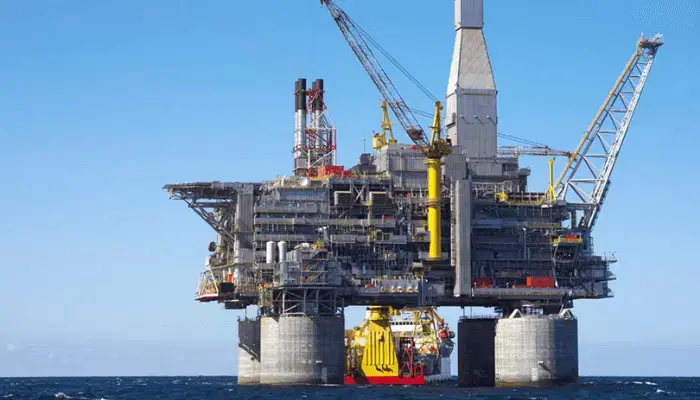
The restructure was announced today as part of a broader strategy to increase returns to investors, with Woodside chief executive Liz Westcott singling out the Scarborough gas project as one of the ventures that would massively bolster the company's finances for years to come.
She said the project, located about 375 kilometres off WA's Pilbara coast, was "80 per cent complete" and just weeks away from shipping its first LNG cargo.
The North West Shelf, which was controversially given the green light to keep operating until 2070, was also singled out as a key project in the company's future plans.
The decision to extend the life of the gigantic gas plant is seen as the key to enabling the contentious Browse gas project off the Kimberley coast.
Despite facing many hurdles to developing Browse, Woodside identifies the gas fields as a "growth option" as part of its long-term strategy, describing it as "one of Australia's largest undeveloped resources".
The cuts are the latest blow to the state's resources sector following a series of lay-offs in the iron ore industry this year.
In June, Gina Rinehart's Hancock Iron Ore confirmed job cuts at its Roy Hill operations.
The miner did not reveal the extent of the job losses, but reports suggested they were in the hundreds.
In October, BHP announced it would axe up to 300 jobs across its WA iron ore operations in the Pilbara.
A company spokesperson said the changes were necessary so BHP could continue to "make a significant contribution" to the region and the state.
WA Treasurer Rita Saffioti said she was "very disappointed" about the job cuts, adding her government would continue "to bat for gas" as a key transition fuel for the state.
She said Australia needed to make “key decisions” about whether the country supported resources and gas projects.
“On any given day there are people saying that we shouldn’t support gas projects, and then on other given days people are saying that we want to make sure we get strong employment,” Ms Saffioti said.
"We are a resources state, gas is an integral part of our energy supply, and let's keep supporting the gas sector as part of our overall economic vision."
WA Greens spokesperson Sophie McNeill said the cutbacks were "proof" Woodside was a fossil fuels company "in decline", and it should not be allowed to drill for gas at Scott Reef as part of its Browse project.
- gas
- oil
- company
- job
- australia
- giant
- woodside
- workforce