24-hour to produce before Magistrate starts from detention, not ‘formal arrest’: Supreme Court
The Court said fundamental rights trumped even over special laws like UAPA, PMLA, in which the right to bail was heavily restricted
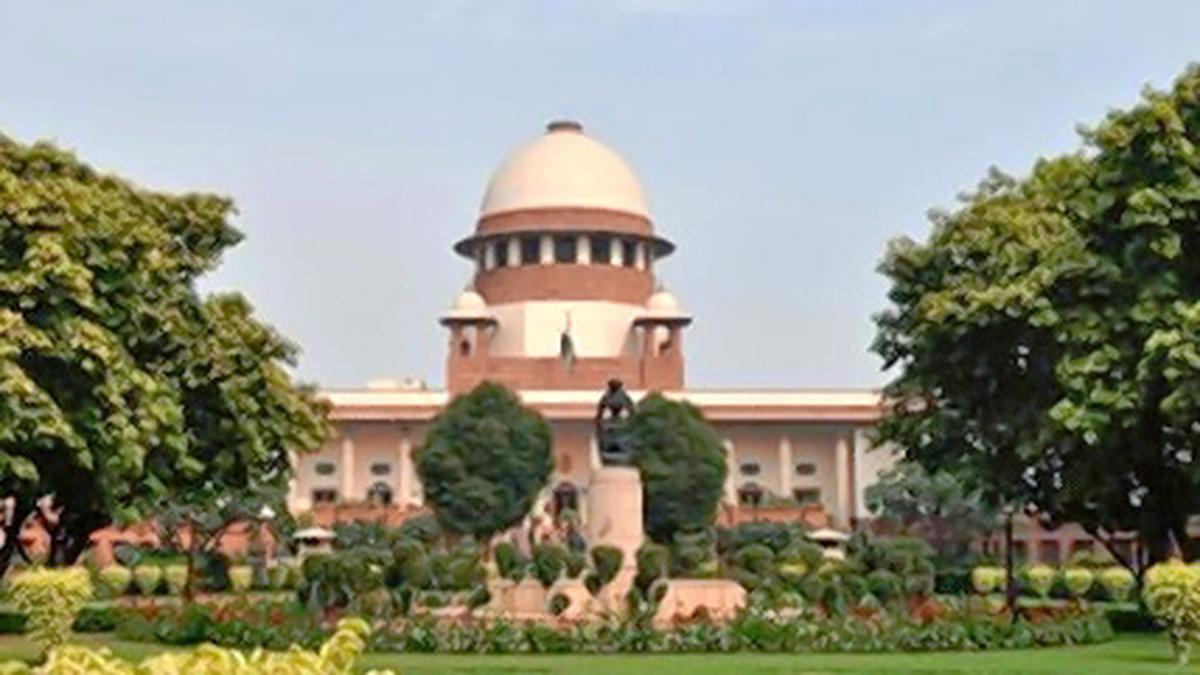
A view of the Supreme Court of India in New Delhi. File
The Supreme Court in a judgment on Thursday (November 5, 2026) held that the 24-hour period for production of an individual before a Magistrate commences from the moment of detention, and not formal arrest.
A judgment authored by a Bench headed by Justice Ujjal Bhuyan blurred the difference between detention and arrest, saying both lead to the restriction of the fundamental right to liberty of the individual.
The Court said fundamental rights trumped even over special laws like UAPA, PMLA, in which the right to bail was heavily restricted.
If the period of detention extended beyond 24 hours without production before a Magistrate, the individual concerned must be released.
At the time of production, a Magistrate must record the exact date and time of detention to ensure whether 24-hour timeline was complied with.
“Article 22(2) does not sanction exclusion of the time taken for inquiry or investigation before the arresting authority could effect arrest of the detainee. This is beyond the mandate of clause (2) of Article 22. The only exception the Constitution itself provides is the time necessary for the journey from the place of arrest to the court of the magistrate,” the Court pronounced,” Justice Bhuyan wrote.
court / judiciary (system of justice) / justice and rights / arrest
- court
- hour
- magistrate
- detention
- arrest
- supreme
- right
- law


