Can 142m Nigerian youths change 2027 elections narrative?
Nigerian youths are losing hope in elections – Olanrewaju Jerry Tobi Olanrewaju, is ‘The Chief Farmer of Africa’, and Founder and Team Lead, Jet Farms and Agro Solutions Limited, based in Abuja. Nigerian youths tired of manipulation, ready to change narrative – Donald Abareowei Benaembele Donald is a vibrant youth leader in Bayelsa State and also the Chief Executive Officer (CEO) of Gologolo Global Views Enterprise.
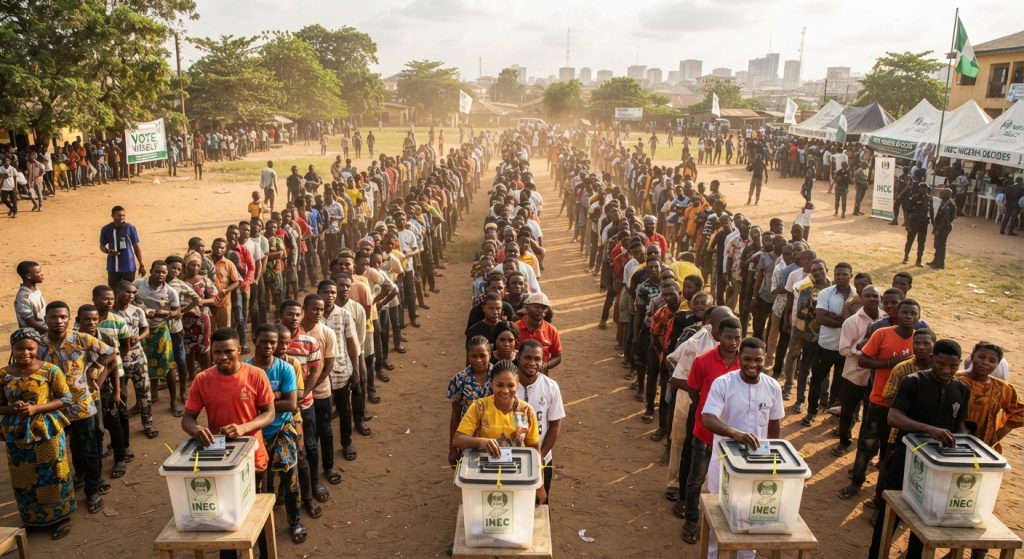
By Gabriel Ewepu Nigerian youths constitute a significant portion of the country’s population at over 142 million. Also, recently the Independent National Electoral Commission, INEC, disclosed that over 9.32 million young Nigerians registered in the 2026 Continuous Voter Registration, CVR, exercise. These numbers has made expectations mount over young Nigerians’ potential influence on the 2027 general elections.
Read Also: Court sacks Mark-led ADC exco, voids Atiku’s candidacy However, despite their numerical strength and growing political awareness, questions remain whether they can translate their numbers into decisive electoral power. While some stakeholders believe Nigerian youths are increasingly politically conscious, determined to challenge the status quo and demand accountability, others argue that voter apathy, declining confidence in the electoral process, political manipulations and weak grassroots structures could undermine their participation.
Consequently, the debate has shifted beyond whether Nigerian youths are ready to vote to whether they are sufficiently organised, motivated and confident in the electoral system to shape electoral outcomes and hold political leaders accountable. Against this backdrop, stakeholders who spoke on the readiness of Nigerian youths ahead of the 2027 elections offered divergent perspectives.
They highlighted the opportunities, frustrations and challenges confronting the country’s youthful population. Nigerian youths are losing hope in elections – Olanrewaju Jerry Tobi Olanrewaju, is ‘The Chief Farmer of Africa’, and Founder and Team Lead, Jet Farms and Agro Solutions Limited, based in Abuja. He asserted that most Nigerian youths are losing hope in exercising their franchise as eligible voters.
Olanrewaju said: “Honestly, I was hopeful. But over time, many young Nigerians, particularly young farmers, have begun to lose hope. Many of the farmers I work with cannot even feel the impact of the government’s Renewed Hope Agenda. While some macroeconomic indicators may suggest progress, the reality on the farms tells a different story. “The rising cost of inputs, high transportation costs, limited access to affordable financing, and unstable markets have made farming increasingly difficult.
“Many young people who once saw agriculture as an opportunity are now afraid to farm because they are uncertain about their survival and returns on investment.” In his counsel he said, “As we approach 2027, Nigerian youths must move beyond social media conversations and become intentional about shaping the elections. “However, their participation must be driven by issues, accountability, credible leadership, and policies that address their everyday realities.” Nigerian youths tired of manipulation, ready to change narrative – Donald Abareowei Benaembele Donald is a vibrant youth leader in Bayelsa State and also the Chief Executive Officer (CEO) of Gologolo Global Views Enterprise.
Speaking on the readiness of Nigerian youths ahead of the 2027 general elections, he asserted that the youths are now more politically aware and enlightened, hence are ready to change the narrative this time around. “Young Nigerians are not short of political awareness, ambition or the courage to demand change. What they are running short of is confidence in a political system that has repeatedly asked for their votes but has too often failed to reward their trust.
“You cannot continue to preach hope to a generation battling unemployment, rising living costs, insecurity, shrinking opportunities and an uncertain future, while offering little beyond campaign promises and recycled political slogans. Hope is not a campaign jingle. It must translate into jobs, affordable living, quality education, security and opportunities for young people to build decent lives.
“The 2027 general election must not become another season of political exploitation, where youths are mobilised as campaign foot soldiers, hired to fill rallies, used to spread propaganda and abandoned when the real decisions are being made. Nigerian youths must refuse to be reduced to instruments of electoral convenience. They must demand a place at the decision-making table, not merely a place in the crowd.
“Having the numbers is not enough. Numbers without organisation are wasted; enthusiasm without direction is easily manipulated; and political participation without accountability only reproduces the same failures. Young Nigerians must move beyond social media outrage and convert their energy into voter education, issue-based engagement, credible candidacies, peaceful mobilisation and sustained demands for accountability.
“Political leaders must also understand that the patience of young Nigerians should never be mistaken for political apathy or permanent loyalty. A generation that has endured broken promises is entitled to demand evidence, not excuses. “Ultimately, the question is not whether Nigerian youths are ready to shape the 2027 election. T
- youth
- election
- narrative
- hope
- nigerians
- opportunity
- voter
- olanrewaju