GH¢31bn informal cross-border trade faces hurdles despite AfCFTA commitments
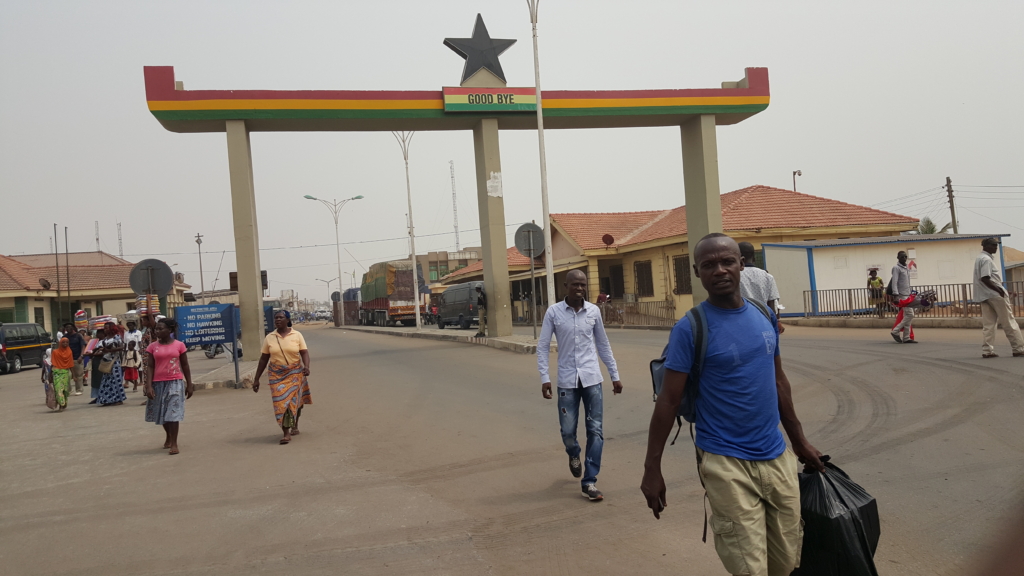
Informal cross-border trade in Ghana, estimated at GH¢31 billion in the first three quarters of 2025, continues to face significant operational challenges, raising concerns about the country’s ability to fully harness the benefits of the African Continental Free Trade Area (AfCFTA). The figures, cited from the Ghana Statistical Service at a stakeholder dialogue in Aflao in the Volta Region, indicate that informal cross-border trade was approximately 54 per cent higher than trade recorded through formal land channels during the period.
Informal cross-border trade in Ghana, estimated at GH¢31 billion in the first three quarters of 2025, continues to face significant operational challenges, raising concerns about the country's ability to fully harness the benefits of the African Continental Free Trade Area (AfCFTA).
Despite its contribution to the economy, small-scale traders, particularly women, are confronted with complex border procedures, undocumented levies, prolonged transit delays, inadequate infrastructure and limited access to trade information.
The figures, cited from the Ghana Statistical Service at a stakeholder dialogue in Aflao in the Volta Region, indicate that informal cross-border trade was approximately 54 per cent higher than trade recorded through formal land channels during the period.
It also represented about six per cent of Ghana's total trade, highlighting the economic importance of trading activities that largely operate outside formal channels.
However, representatives of cross-border women traders from Elubo, Hamile, Paga, Aflao and Akanu say the challenges confronting them continue to undermine their ability to expand their businesses and participate fully in formal trade networks.
At the dialogue, the traders reported experiences of arbitrary charges, harassment, confiscation of goods and lengthy delays at border crossings.
They also identified inadequate information on approved trading procedures and the absence of effective complaint mechanisms as factors discouraging their participation in formal trade.
The Ghana Revenue Authority (GRA) Customs Division says it is taking steps to simplify border procedures through the introduction of the Simplified Goods Declaration (SGD) system, which allows traders to declare their goods and pay the required duties through simplified processes.
A representative of the Customs Division, Joseph Mills, said the authority was working to streamline border operations to facilitate trade.
However, stakeholders noted that existing AfCFTA and ECOWAS simplified trade arrangements are yet to provide specific protections for small-scale traders.
National Coordinator of the AfCFTA National Coordination Office, Dode Seidu, said there was a significant gap between the commitments under the continental trade agreement and the everyday experiences of traders at Ghana's borders.
He called for simplified, gender-responsive trade procedures, improved border infrastructure, accessible trade information and stronger coordination among border agencies.
The stakeholder dialogue, organised by the African Capacity Building Foundation (ACBF) in collaboration with the Ghana National AfCFTA Champions, also identified the need to formalise informal trading activities without creating additional barriers for small-scale operators.
A Joint Stakeholder Action Plan developed at the meeting proposes the digitalisation of border processes, including digital travel itineraries and the publication of approved fees.
The Ghana Immigration Service and GRA Customs have been assigned responsibility for advancing these measures, while the Ministries of Trade, Agribusiness and Industry, and Gender, Children and Social Protection are expected to support infrastructure improvements, gender-responsive training and trader empowerment.
The Paramount Chief of Aflao, Torgbui Adzonugaga Amenya Fiti V, also called for the development of Aflao into a modern logistics and commercial hub to create more opportunities for women, young people and businesses in border communities.
The dialogue was convened under the African Development Bank-funded CADAST programme, implemented with ESAMI-TRAPCA, to align Ghana's trade and border governance commitments with the realities confronting traders.
Stakeholders say addressing the challenges through transparent fees, simplified procedures, improved infrastructure and accessible grievance mechanisms will be critical to ensuring that small-scale traders benefit from the opportunities offered by AfCFTA.
- trade
- afcfta
- border
- ghana
- trader
- procedure
- stakeholder
- infrastructure


