Cross-border traders allege harassment, illegal levies without formal complaint channels
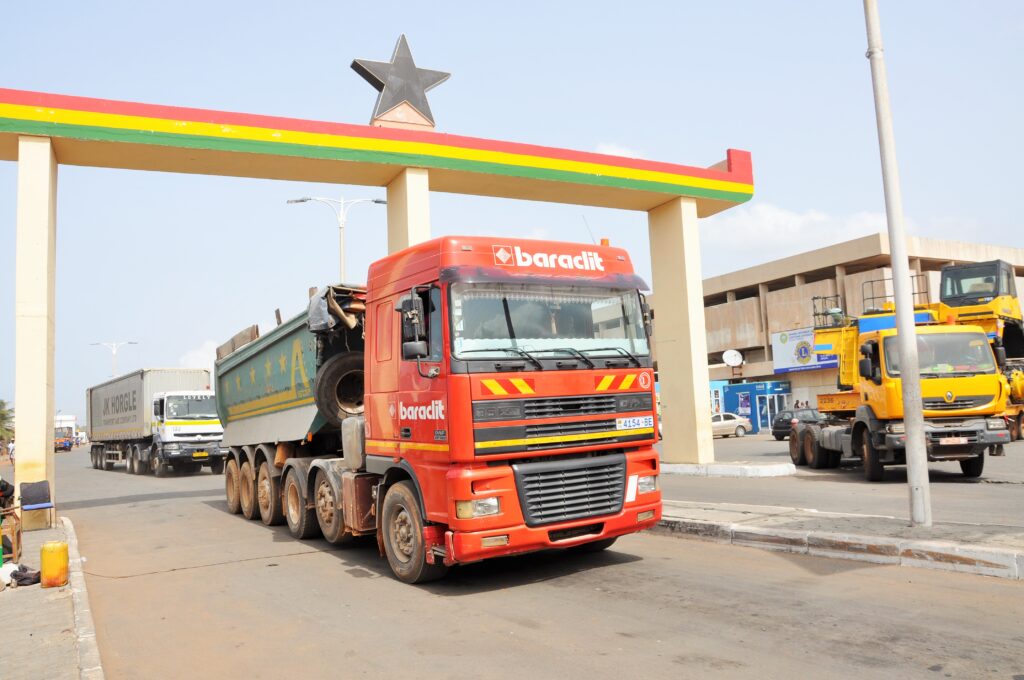
The concerns were raised at a stakeholder dialogue on safe and inclusive trade at Ghana’s borders, organised by the African Capacity Building Foundation (ACBF) in collaboration with the Ghana National AfCFTA Champions at Aflao in the Volta Region. Representatives of women traders from Elubo, Hamile, Paga, Aflao and Akanu recounted experiences of undocumented levies, harassment by officials, prolonged transit delays and the confiscation of their goods.
Women engaged in cross-border trading in Ghana continue to face harassment, arbitrary charges, confiscation of goods and security risks, with no formal mechanisms to report abuses at the country’s borders, stakeholders have revealed. The concerns were raised at a stakeholder dialogue on safe and inclusive trade at Ghana’s borders, organised by the African Capacity Building Foundation (ACBF) in collaboration with the Ghana National AfCFTA Champions at Aflao in the Volta Region.
Representatives of women traders from Elubo, Hamile, Paga, Aflao and Akanu recounted experiences of undocumented levies, harassment by officials, prolonged transit delays and the confiscation of their goods. They also identified limited access to information on approved border procedures and the absence of structured feedback mechanisms as major obstacles to reporting violations and accessing formal trade protections.
The Ghana Revenue Authority (GRA) Customs Division acknowledged the challenge, with its representative, Joseph Mills, disclosing that there are currently no formal channels specifically established to address harassment of traders at the borders. He said affected traders could, however, register complaints at the office of the sector commander. The stakeholders at the meeting The National Cross-Border Women Traders Association also confirmed the absence of official complaint mechanisms, explaining that many traders prefer reporting their grievances to the association rather than the Customs and Immigration services.
The situation, stakeholders say, exposes a gap between Ghana’s commitments under the African Continental Free Trade Area (AfCFTA) and the everyday experiences of small-scale traders, particularly women. The AfCFTA National Coordination Office’s National Coordinator, Dode Seidu, called for simplified and gender-responsive trade procedures, stronger coordination among border agencies, accessible trade information and effective complaint channels.
The dialogue also identified the need for formal representation of informal traders in national AfCFTA policy discussions to ensure their concerns inform decisions on border governance and trade facilitation. As part of efforts to address the challenges, stakeholders developed a Joint Action Plan that includes establishing a border-level grievance-redress mechanism to provide women traders with safe and accessible channels to report violations.
The plan also proposes an institutionalised platform for informal trader representation in national AfCFTA policy processes and coordinated reforms involving relevant government institutions. The Ghana Immigration Service and GRA Customs have been identified as responsible for improving the digitalisation of border processes, including digital travel itineraries and the publication of approved fees.
The Ministry of Trade, Agribusiness and Industry, together with the Ministry of Gender, Children and Social Protection, will support improvements in border-community infrastructure, gender-responsive training and trader empowerment. The Paramount Chief of Aflao, Torgbui Adzonugaga Amenya Fiti V, called for the establishment of a permanent Aflao Border Stakeholders Committee to strengthen collaboration among security agencies, traders and traditional authorities.
He also advocated the publication and digitalisation of all approved border fees and the introduction of effective complaint mechanisms at the various border crossings. The stakeholder dialogue was convened under the African Development Bank-funded CADAST programme, implemented in collaboration with ESAMI-TRAPCA, to align continental and regional trade commitments with operational realities at Ghana’s borders.
- border
- trader
- complaint
- harassment
- trade
- ghana
- stakeholder
- mechanism


