Nigeria ranks second globally in children’s climate risk – Report
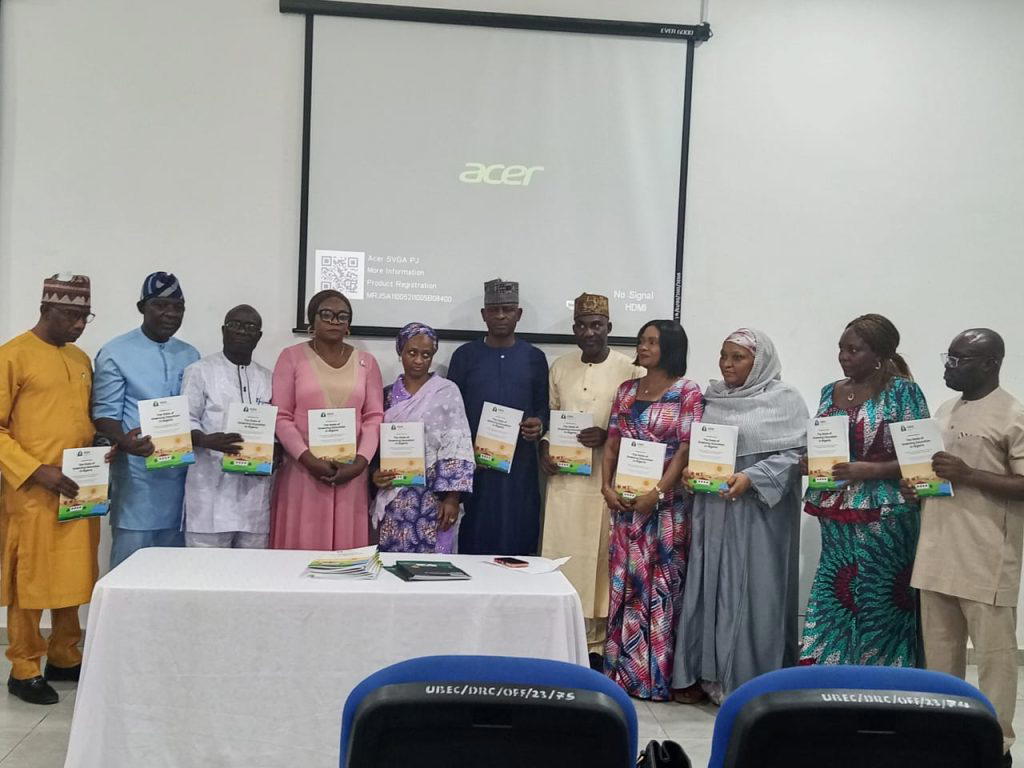
By Folarin Kehinde The Institute for Greening Education in Nigeria (IGEN) has raised the alarm over the country’s vulnerability to climate change, revealing that Nigeria ranks second out of 163 countries in children’s exposure to climate and environmental risks, while the education sector receives only about 1.5 per cent of global climate finance. The Executive Secretary of IGEN, Mr Unyime Robinson, made the call in Abuja during the launch of the State of Green Education in Nigeria Report and Policy Brief.
By Folarin Kehinde The Institute for Greening Education in Nigeria (IGEN) has raised the alarm over the country’s vulnerability to climate change, revealing that Nigeria ranks second out of 163 countries in children’s exposure to climate and environmental risks, while the education sector receives only about 1.5 per cent of global climate finance. The institute said the statistics underscored the urgent need for the Federal Government to adopt a national policy on greening education and increase funding to protect schools and learners from the effects of climate change.
The Executive Secretary of IGEN, Mr Unyime Robinson, made the call in Abuja during the launch of the State of Green Education in Nigeria Report and Policy Brief. He said flooding, extreme heat, erosion, drought, desertification and other environmental challenges were increasingly damaging school infrastructure, disrupting learning and threatening the wellbeing of Nigerian children and teachers.
Robinson said the country’s education system must be positioned to respond to climate threats through sustainable school infrastructure, climate education, teacher development and practical green skills. He stressed that teaching pupils about climate change was no longer sufficient, arguing that sustainability must become part of how schools operate, how teachers teach and how educational institutions are managed.
According to him, the report identified inadequate policy direction, weak institutional coordination, limited teacher capacity and insufficient climate financing as major challenges confronting green education in Nigeria. He called for the integration of education into Nigeria’s Nationally Determined Contributions to ensure that the sector benefits from domestic and international climate financing.
Robinson lamented that much of the available climate finance was directed towards infrastructure, with limited attention given to green school programmes, teacher training and climate education. He said, “We are advocating that we should be able to put education at the centre of the Nationally Determined Contributions so we can also see how we can drive some climate finance into education.” The IGEN chief executive commended the Federal Government for establishing the Greening Schools and Climate Change Education Intervention under the Universal Basic Education Commission, noting that a two per cent matching-grant allocation had been set aside to support states in implementing green school programmes.
He said the intervention, which includes tree planting and other environmental activities, provided an important foundation for expanding climate action in schools. The report recommends the adoption of a National Policy on Greening Education, the establishment of a national coordination mechanism and the introduction of green and climate-ready school standards.
It also calls for the integration of climate change and environmental literacy into school curricula, continuous professional development for teachers, and stronger green skills training through technical and vocational education. Other proposals include a national monitoring and evaluation framework, a digital portal for tracking implementation, stronger school-community partnerships and a National Green Schools Index and Certification Scheme.
The institute said greening education was not only an environmental necessity but also an economic strategy that would prepare young Nigerians for employment opportunities in renewable energy, sustainable agriculture, waste management and green construction. It stressed that every Nigerian learner should leave school climate-aware, environmentally responsible and equipped with the skills to contribute to a sustainable and climate-resilient country.
- climate
- education
- nigeria
- school
- report
- teacher
- change
- risk


