FG secures $200m World Bank funding to boost fish production
The Federal Government has secured a $200 million World Bank-backed financing commitment to boost fish production across the country through state governments, as part of efforts to reduce import dependence and strengthen Nigeria’s aquaculture industry. The Minister of Marine and Blue Economy, Adegboyega Oyetola, disclosed this at a high-level executive training on the Aquaculture Investment Guide organised by the ministry in collaboration with the World Bank Group in Abuja.
By Folarin Kehinde The Federal Government has secured a $200 million World Bank-backed financing commitment to boost fish production across the country through state governments, as part of efforts to reduce import dependence and strengthen Nigeria’s aquaculture industry. The funding, to be made available to state governments as concessional loans, is expected to support investments in fisheries and aquaculture, expand production capacity and create opportunities for private-sector participation.
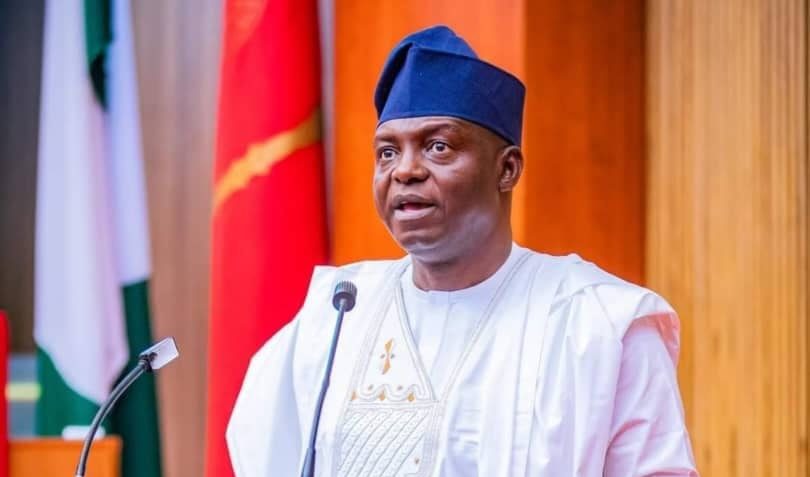
The Minister of Marine and Blue Economy, Adegboyega Oyetola, disclosed this at a high-level executive training on the Aquaculture Investment Guide organised by the ministry in collaboration with the World Bank Group in Abuja. Oyetola, who was represented by the Senior Special Assistant to the President on Marine and Blue Economy, Prof. Busayo Fakinlede, said the financing would help states unlock their fisheries potential and develop commercially viable aquaculture projects.
The minister, in a statement issued by his Special Adviser, Bolaji Akinola, said the Federal Government was prioritising collaboration with state governments, investors and development partners to position Nigeria as a fish-sufficient nation. He said expanding domestic fish production had become imperative to address the widening gap between local supply and consumption.
According to him, the involvement of state governments is critical to achieving the country’s fish production targets. “Fish is a pillar of food security, household nutrition and rural livelihoods. No nation can call itself food secure while it imports most of the fish it eats. Our ambition is to produce more, import less and, in time, become a net exporter.
That ambition can be achieved only when every state plays its part,” he said. Under the proposed framework, states are expected to identify priority aquaculture value chains, assess investment opportunities, develop bankable projects and commit to measurable contributions towards national fish production. Oyetola said the executive training was designed to equip state policymakers and technical officials with the expertise to translate investment opportunities into viable projects.
He said the programme would focus on business models, risk management, environmental safeguards and public-private partnerships. The minister commended the World Bank Group for its support for Nigeria’s marine and blue economy development, particularly in analytical studies, capacity building and the development of the Aquaculture Investment Guide.
He also disclosed plans to convene a stakeholders’ roundtable after the training to strengthen engagement with state governments, investors and development partners and establish implementation arrangements for the financing initiative. Meanwhile, Fakinlede said the ministry had increased national fish production from 1.1 million tonnes to 1.4 million tonnes through interventions aimed at strengthening the sector.
He identified the inauguration of the Technical Committee on Accelerating Fish Production in August 2026 and the digitisation of fish import licensing as some of the measures introduced by the ministry. He further disclosed that Nigeria had secured shrimp-export certification following compliance with Turtle Excluder Device requirements. According to him, the ministry has also developed the Fish City and Fish Terminal investment portfolio to attract private-sector capital into the fisheries and aquaculture industry.
- fish
- production
- state
- world
- bank
- government
- aquaculture
- investment