Nigeria’s IVF Industry faces regulatory crisis as lawmakers, doctors expose risks
…experts demand urgent legislation to curb exploitation, protect surrogate mothers, children …as Circle Mom Fertility Foundation offers 10 free IVF slots By Joseph Erunke, Abuja Nigeria’s rapidly expanding assisted reproductive technology industry is facing growing scrutiny over alleged unethical practices, exploitation of vulnerable women and inadequate safeguards for couples seeking children, as medical experts, lawmakers, lawyers and mental health advocates demand urgent legislation. Dr Joseph Haruna Kigbu, a medical practitioner and former member of the House of Representatives, warned…
…experts demand urgent legislation to curb exploitation, protect surrogate mothers, children …as Circle Mom Fertility Foundation offers 10 free IVF slots By Joseph Erunke, Abuja Nigeria’s rapidly expanding assisted reproductive technology industry is facing growing scrutiny over alleged unethical practices, exploitation of vulnerable women and inadequate safeguards for couples seeking children, as medical experts, lawmakers, lawyers and mental health advocates demand urgent legislation.
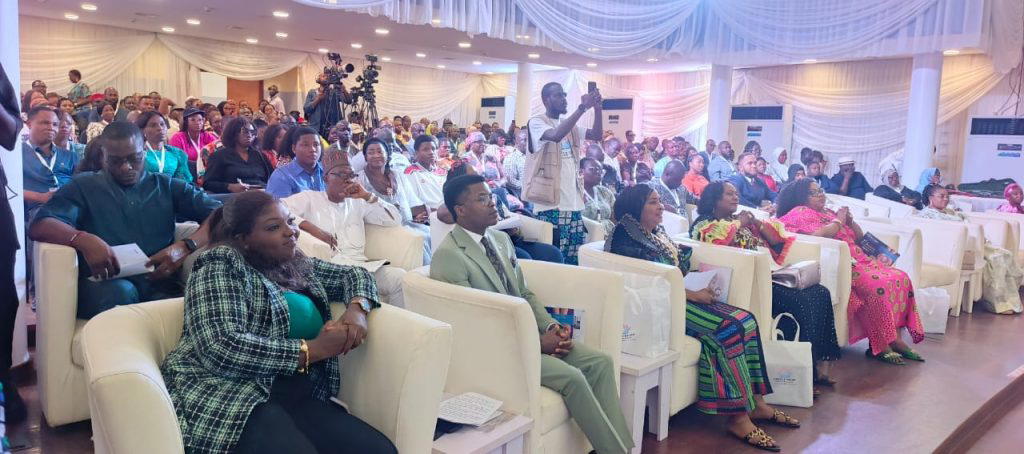
The stakeholders, speaking at the first anniversary of Circle Mom Fertility Foundation in Abuja, warned that regulatory gaps in in-vitro fertilisation (IVF), surrogacy and other assisted reproductive procedures leave patients, surrogate mothers, donors and children vulnerable to potential abuses. They called for enforceable laws, stronger professional standards, affordable treatment and specialised fertility counselling, while the foundation announced plans to offer 10 free IVF treatment slots to deserving families.
Dr Joseph Haruna Kigbu, a medical practitioner and former member of the House of Representatives, warned that Nigeria could no longer rely on general healthcare laws and private agreements to regulate the increasingly complex fertility industry. Kigbu, who previously sponsored a bill seeking to establish a regulatory authority for assisted conception, said the proposal encountered resistance during a public hearing, partly from some practitioners and religious groups.
He argued that ethical and religious concerns should not prevent the country from establishing safeguards for patients and children. “Assisted conception is a very complex science. We need specific laws- specific laws that can be enforced when we have erring doctors,” he said. The former lawmaker raised concerns about the possible exploitation of financially vulnerable women involved in egg donation, the handling of donated eggs and embryos, the number of embryos transferred during IVF, disclosure of genetic parentage and the fate of embryos not selected for transfer.
Kigbu cited the United Kingdom’s Human Fertilisation and Embryology Authority as a regulatory model Nigeria could study, urging lawmakers to establish clear rights and responsibilities for intended parents, surrogate mothers, donors, healthcare providers and children. Babayemi Olaniyan, lead partner at Lehi Attorneys, said Nigeria’s existing legal framework provides some protection for people undergoing assisted reproductive procedures but lacks comprehensive legislation specifically regulating the sector.
Olaniyan identified the Constitution, Child Rights Act, Violence Against Persons legislation, National Health Act 2014, medical ethics rules, immigration laws and relevant data-protection provisions as instruments with implications for assisted reproduction. However, he said these laws largely provide general protections rather than detailed regulations covering IVF, intracytoplasmic sperm injection, gamete and embryo donation, fertility preservation and surrogacy.
The lawyer stressed that informed consent, confidentiality, parental rights, children’s identities and the responsibilities of medical facilities required clear safeguards. He said properly drafted agreements and independent legal advice were important but could not replace comprehensive legislation. Olaniyan urged fertility practitioners to explain treatment options, risks and implications adequately, avoid promising outcomes that medical science could not guarantee, and ensure children conceived through assisted reproduction were not discriminated against because of their birth circumstances.
Chairman of the House of Representatives Committee on Healthcare Services, Amos Gwamna Magaji, said the National Assembly was working towards addressing regulatory gaps in surrogacy and assisted reproductive procedures. Magaji disclosed that proposed legislation establishing a Nigerian Surrogacy Regulatory Commission had passed second reading in the House in October 2024, with further work required to strengthen the proposed framework.
He said the legislation was intended to provide oversight for surrogacy arrangements and protect surrogate mothers, intended parents and children through provisions addressing informed consent, legal parentage, exploitation, medical supervision and accountability for fertility clinics. Acknowledging that religious and cultural objections had complicated previous attempts to regulate assisted reproduction, Magaji urged Nigerians to show greater understanding towards families struggling with infertility.
He also advocated stronger health insurance coverage and sustainable financing to reduce treatment costs for low-income families. Founder of Circle Mom Fertility Foundation, Dr Charles Ojeabuo, said the organisation was established to ensure financial hardship did not permanently deny couples the opportunity to become parents. Ojeabuo said the foundation’s mission rested on three pillars: awareness, acc
- ivf
- nigeria
- child
- industry
- legislation
- fertility
- law
- lawmaker