Water rationing looms in Nairobi as Ndakaini Dam levels decline
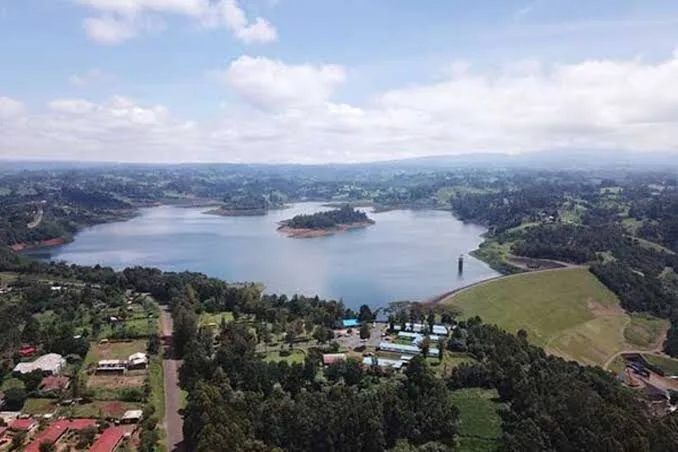
NAIROBI,Kenya Nov 9 – Water rationing is set to intensify in Nairobi and neighbouring counties after declining levels at Thika/Ndakaini Dam forced a 35 per cent reduction in water production at two major treatment plants supplying the capital. Besides Nairobi City Water, the affected providers are Githunguri Water and Sanitation Company, Kiambu Water and Sanitation Company, Karuri Water and Sanitation Company, Mavoko Water and Sewerage Company, Oloolaiser Water and Sewerage Company and Olkejuado Water and Sewerage Company.
NAIROBI,Kenya Nov 9 – Water rationing is set to intensify in Nairobi and neighbouring counties after declining levels at Thika/Ndakaini Dam forced a 35 per cent reduction in water production at two major treatment plants supplying the capital.
Nairobi City Water and Sewerage Company said the reduction at Ngethu and Kigoro water treatment plants took effect immediately, warning that customers should brace for extended periods without water as the utility moves to preserve the dwindling reserves.
In a notice issued on Monday, November 9, the company attributed the production cuts to below-average rainfall in the dam’s catchment area, which has affected water inflows into the reservoir.
“Thika Dam, the principal source of water for Nairobi and surrounding areas, has experienced a significant decline in storage levels due to below-average rainfall within its catchment area,” the company said.
It added that reduced inflows had necessitated a temporary reduction in water abstraction to preserve the available reserves and ensure sustainable supply over the coming months.
The company warned that the cuts would translate into longer water rationing periods for customers served by seven water utilities across Nairobi and neighbouring counties.
Besides Nairobi City Water, the affected providers are Githunguri Water and Sanitation Company, Kiambu Water and Sanitation Company, Karuri Water and Sanitation Company, Mavoko Water and Sewerage Company, Oloolaiser Water and Sewerage Company and Olkejuado Water and Sewerage Company.
The affected areas span Nairobi, Kiambu, Machakos and Kajiado counties, raising the prospect of increased pressure on households, businesses and institutions that depend on the utilities for daily water needs.
Nairobi Water said it would continue monitoring the dam’s storage levels and prevailing weather conditions, with production volumes subject to periodic review depending on improvements in reservoir recovery and water inflows.
“Production volumes will be reviewed periodically based on reservoir recovery and water inflows,” the company said.
The utility urged consumers to adopt water-saving measures, avoid unnecessary wastage and reserve available supplies for essential household and other critical needs.
It acknowledged that the reduction would disrupt normal supply but appealed to residents to cooperate as it manages the available resources.
“We recognise the inconvenience that the reduced water production may cause and sincerely appeal for the public’s patience, understanding and cooperation as we work to sustainably manage the available water resources,” the company said.
- water
- nairobi
- company
- dam
- production
- ndakaini
- level
- rationing