education

UK moves to end early GCSE teaching in Year 7–9 shake-up
UK moves to end early GCSE teaching in Year 7–9 shake-up

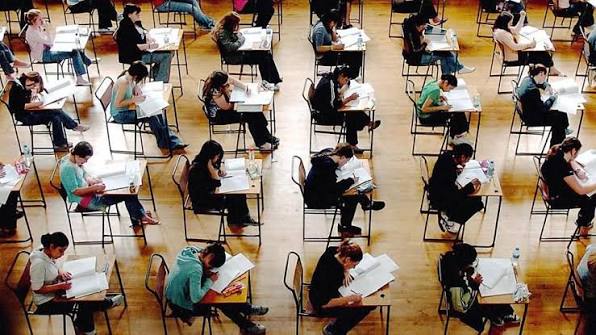
By Adegboyega Adeleye The UK government plans to stop secondary schools from routinely teaching the General Certificate of Secondary Education (GCSE) content before Year 10, as part of a curriculum overhaul aimed at making the first three years of secondary school more engaging. According to BBC News, the Department for Education (DfE) says it wants to restore Key Stage 3 (Years 7 to 9) as a distinct phase, giving pupils more time to build their knowledge and explore a broader range of subjects before beginning GCSE courses.

By Adegboyega Adeleye The UK government plans to stop secondary schools from routinely teaching the General Certificate of Secondary Education (GCSE) content before Year 10, as part of a curriculum overhaul aimed at making the first three years of secondary school more engaging. According to BBC News, the Department for Education (DfE) says it wants to restore Key Stage 3 (Years 7 to 9) as a distinct phase, giving pupils more time to build their knowledge and explore a broader range of subjects before beginning GCSE courses.

The plan follows concerns that early exam preparation is narrowing what pupils learn. A survey cited by the government found that more than half of teachers said GCSE courses were dominating the first three years of secondary school, even though GCSE content is intended to begin in Year 10. Education Secretary Lucy Powell said some pupils were being rushed towards exams before they had grasped the fundamentals.

She said the government would protect time in Years 7 to 9 for deeper learning and a wider curriculum. The proposed changes would also make room for subjects including drama, physical education, music and modern foreign languages, alongside technical and digital skills. The DfE says the curriculum will place greater emphasis on confident speaking, reading and numeracy.

The government says persistent absence nearly doubles between Year 7 and Year 9, reaching one in four pupils. It hopes a more engaging curriculum will help address disengagement and improve attendance and outcomes. Schools would still be able to stretch pupils who are ready to progress further, while avoiding routinely narrowing subject choices or requiring large groups to start GCSE specifications early.

The full curriculum is expected to be published later this year as the announcement concerns England’s education system.

  • education
  • curriculum
  • pupil
  • government
  • school
  • teaching
  • gcse
  • content

Summaries and tags are generated automatically. Stay informed with VidiaNews.

Related news

Schools in England must set aside time for pupils to read for pleasure
education

Schools in England must set aside time for pupils to read for pleasure

Education secretary expected to announce measures as part of proposed reforms to national curriculum Schools in England will have to allocate time for children to read for pleasure as part of Labour’s proposed reforms of the national curriculum. The education secretary, Lucy Powell, is expected to announce to parliament on Monday that primary schools must earmark time each day for children to read.

Read →
GES distributes over eight million packs of sanitary pads to schoolgirls
education

GES distributes over eight million packs of sanitary pads to schoolgirls

The Ghana Education Service (GES) has announced that more than eight million packs of sanitary pads have been distributed to schoolgirls across the country, as part of a nationwide initiative aimed at addressing period poverty and improving girls’ access to education. The distribution forms part of the Government’s policy commitment to provide 17 million packs of sanitary pads to menstruating girls from Primary Five to Senior High School (SHS) Three, with the remaining nine million packs currently being distributed.

Read →
Oracy added to year 6 tests in changes to national curriculum in England
education

Oracy added to year 6 tests in changes to national curriculum in England

Speaking and listening assessment criticised by unions, saying pupils ‘are already among the most tested in the world’ A new assessment of speaking and listening will be added to the battery of tests faced by 11 year-olds in England, as part of the changes to the national curriculum to be announced by the government this week. The assessment of oracy skills will come on top of existing tests known as Sats for maths, reading and spelling, punctuation and grammar, as well as assessments of writing and science for pupils in year 6, the final year of primary school.

Read →
Early BECE candidates may struggle with basic responsibilities in SHS – Susan Adu-Amankwah
education

Early BECE candidates may struggle with basic responsibilities in SHS – Susan Adu-Amankwah

The Executive Secretary of the National Interest Movement, Susan Adu-Amankwah, has warned that children who are pushed to write the Basic Education Certificate Examination (BECE) prematurely may struggle with basic responsibilities in senior high school because they lack the maturity and life skills needed to function independently. Her comments follow the Education Ministry’s directive banning pupils from being fast-tracked to write the BECE before completing the required period of basic education, a practice often facilitated by some parents and school authorities.

Read →
Mahama committed to improving education infrastructure – Joyce Bawah Mogtari
education

Mahama committed to improving education infrastructure – Joyce Bawah Mogtari

Senior Presidential Advisor and Aide to President John Dramani Mahama, Joyce A. Bawah Mogtari, has reaffirmed the government’s commitment to improving educational infrastructure and expanding opportunities for students across the country. The interventions include the renovation of the ICT block, John Bawah and Kpembe House blocks, the donation of 40 desktop computers to the school’s computer laboratory and two air conditioners.

Read →