High fossil fuel prices spread inflation ‘like a cancer’, UN climate negotiator tells Cop31
Simon Stiell makes opening address at summit in Turkey, where talks are under way about speeding up shift to electrification A global fossil fuel price crisis is “spreading inflation like a cancer” around the planet, the UN’s chief climate negotiator, Simon Stiell, told the opening plenary of critical UN climate talks in Turkey. Stiell joined Cop31 hosts Turkey and Australia, which is leading the negotiations, in promoting renewable energy and a new electrification goal as an optimistic alternative to a planet still tied to oil, coal and gas.
Simon Stiell makes opening address at summit in Turkey, where talks are under way about speeding up shift to electrification
A global fossil fuel price crisis is “spreading inflation like a cancer” around the planet, the UN’s chief climate negotiator, Simon Stiell, told the opening plenary of critical UN climate talks in Turkey.
Stiell joined Cop31 hosts Turkey and Australia, which is leading the negotiations, in promoting renewable energy and a new electrification goal as an optimistic alternative to a planet still tied to oil, coal and gas.
Inside the tight security of the opening plenary on Monday, delegates from almost 200 countries watched a stirring short film with scenes of fire, flood and storms that proclaimed: “It’s time to reconnect with the planet we have grown apart from.”
Turkey said it expected 100,000 visitors, including national delegations, to attend the two-week talks, including at least 95 heads of state. A global leaders summit is scheduled for Wednesday and Thursday. But the talks are under increased pressure to deliver, after growing dissatisfaction with the snail’s pace of results.
The talks are opening as a historic El Niño builds in the tropical Pacific and less than two months after a glacier collapse set off catastrophic flooding in Nepal and Tibet, wiping away villages and killing at least 1,459 people, with thousands more still missing. Climate scientists confirmed this year that global heating would reach at least 1.8C – beyond the 1.5C temperature goal that countries promised to aim for at talks in Paris in 2015.
Last week Johan Rockström, the director of the Potsdam Institute for Climate Impact Research, told the Guardian that although he still had faith in the negotiating process, “the fact that global warming is accelerating, that we inevitably will be breaching the 1.5C limit within three to five years, that tipping points are coming closer fast … and that this is allowed to happen within the framework of the Paris agreement, cannot be considered as anything but a global failure.”
And in a statement the UN secretary general, António Guterres, urged leaders to “get serious by cutting emissions faster, accelerating a just transition from fossil fuels and delivering the finance and protection vulnerable countries need”.
Stiell also said: “The urgency of this moment must drive us forward. Global heating is already costing the Earth,” adding that it was vulnerable communities paying the price and frustration at a lack of fairness was palpable.
US President Donald Trump’s war with Iran and the disruption of the key strait of Hormuz supply route for oil pushed up petrol prices around the world by 50%, raising inflation and slowing economic growth.
Stiell told delegates this “fossil fuel cost chaos” had “delivered a global shock wave, hitting households hard and spreading inflation like a cancer”.
Australia’s climate change minister, Chris Bowen, the president of the negotiations, said in a speech that will set the tone for the talks that although the 1.5C Paris target will be overshot “we can return … if we work together and act with urgency, solidarity and resolve”.
With fists clenched in the final moments of a speech, Bowen urged delegates to show future generations that this generation was “equal to the challenge” and to “rise to this moment together”.
The countries pushing for the greatest action at Cop31 have stressed the 1.5C temperature rise limit can’t be abandoned and called for accelerated steps to provide finance to the places most vulnerable to climate impacts. The so-called high-ambition coalition said it has 20 country members pushing for major progress in Antalya. “That limit is in serious danger but overshoot should never become an excuse for inaction, every fraction of a degree matters,” said Jess Gasper, an environmental official for the Marshall Islands.
“We must limit overshoot and return to a safe temperature as quickly as possible.” Gasper said it took eight years to get international finance to build a single sea wall to help protect the Marshall Islands, a Pacific island nation acutely threatened by sea level rise.
“That example shows we need that money to adapt,” he said. “I refuse to accept that we experience displacement because the world fails to act.”
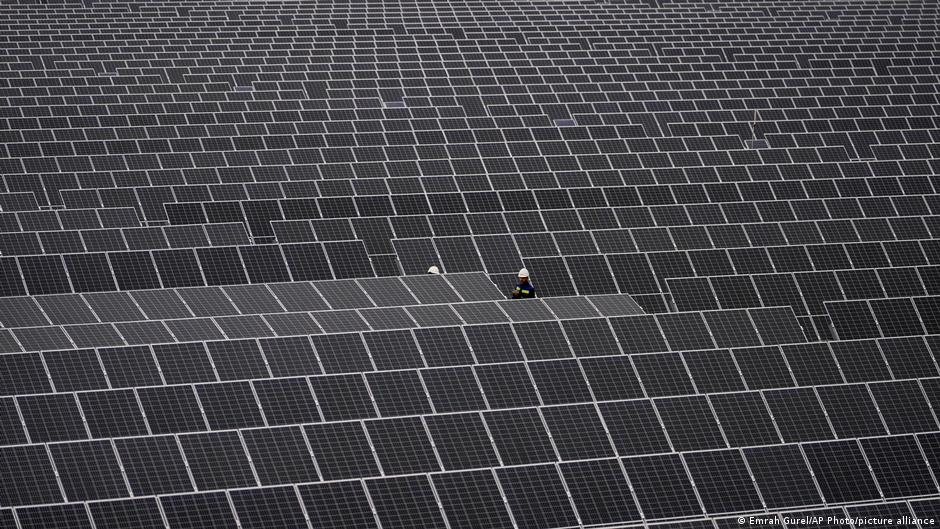
The talks began without a fight over the agenda, which was considered by many to be a good sign. There was confidence among delegates that a final decision from Cop31 would include reference to a new voluntary electrification goal being championed by the host, Turkey, and the president of the negotiations, Australia.
Bowen said he had spoken to countries around the globe that were represented at the talks and there was “enormous momentum” among them for electrification.
The goal, he said, was to raise the percentage of final energy consumption coming from electricity from the current one-fifth to one-third in the next ten years.
Dr Fatih Birol, the executive director of the International Energy Agency, said: “I have talked with many governments and I see there is a great appetite for many countries to be part of this historic decision [in Antalya].”
He told the Guardian: “The important thing is that we are entering the age of electricity and this [electrification goal] would give an extra boost to that movement.”
Countries agreed at the 2023 climate summit to triple renewable energy capacity by 2030. Birol said if countries endorsed the 2035 electrification target it give an “unmistakable signal to markets” and a chance to increase both renewable and nuclear electricity.
- climate
- fossil
- fuel
- inflation
- cancer
- negotiator
- stiell
- turkey