Endometriosis: Advocates seek policy action in Nigeria
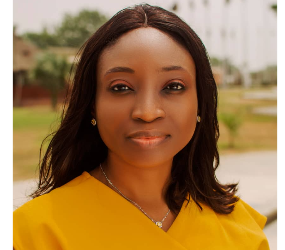
Speaking at the meeting, Founder and Executive Director of ESIF, Mrs Olivia Nwankudu, said endometriosis deserved greater attention in Nigeria’s women’s and reproductive health policies. Diagnostic gaps, poor data hamper care, experts warn Also speaking, Consultant Obstetrician and Gynaecologist at the National Hospital, Abuja, Dr Sekinat Raji, said diagnosis of endometriosis was frequently delayed by limited access to specialist imaging, weak referral pathways and the absence of reliable national data.
…Diagnostic gaps, poor data hamper care, experts warn …WHO urges Nigeria to move from awareness to action By Sola Ogundipe Health experts and advocates have called for the integration of endometriosis care into Nigeria’s national reproductive health policies to improve diagnosis, treatment and support for women and girls living with the condition. They made the call in Lagos at a meeting of the Endometriosis/Adenomyosis Support Group of the EndoSurvivors International Foundation (ESIF), where stakeholders advocated stronger collaboration among government, healthcare institutions, medical professionals and international development partners.
The meeting, themed, “Endometriosis in Nigeria: From Awareness to Action: Advancing Endometriosis Diagnosis, Care, Patient Support and Policy Engagement”, focused on addressing diagnostic delays, inadequate specialist services, high treatment costs and limited research into the condition. Speaking at the meeting, Founder and Executive Director of ESIF, Mrs Olivia Nwankudu, said endometriosis deserved greater attention in Nigeria’s women’s and reproductive health policies.
She identified poor awareness, the normalisation of severe menstrual pain, inadequate referral systems and the high cost of specialist care as major challenges confronting women and girls living with the condition. Nwankudu said awareness campaigns alone would not address years of diagnostic delays, limited access to specialist care and the financial burden on affected families.
According to her, many women spend years seeking explanations for their symptoms, often struggling to convince family members and healthcare providers that their pain requires medical attention. She said the challenges extended beyond delayed diagnosis to include uneven access to specialist services, high out-of-pocket expenditure and inadequate local research and data to guide interventions.
“These are not merely individual hardships. Together, they raise questions about timely care, financial protection, health information, gender equity and the responsiveness of our health system,” she said. Nwankudu explained that endometriosis, a chronic condition in which tissue similar to the lining of the uterus grows outside the womb, could cause severe pelvic pain, painful menstruation, pain during sexual intercourse, fatigue and infertility.
She called for greater engagement with relevant health-sector stakeholders, particularly in health-worker training, research, public education and the development of appropriate referral systems. She also advocated stronger frontline capacity to recognise symptoms and refer patients for specialist care, improved local data collection and coordinated public education to challenge the perception that severe menstrual pain was a normal part of being a woman.
Nwankudu said EndoSurvivors had reached more than 4,000 patients in eight years through webinars, community outreaches, counselling, support grants, patient meetings and media campaigns. She stressed that people living with the condition should be involved in decisions concerning their healthcare. “People living with a condition must not be treated only as recipients of services; they should also be recognised as partners whose experiences can help improve those services,” she said.
Diagnostic gaps, poor data hamper care, experts warn Also speaking, Consultant Obstetrician and Gynaecologist at the National Hospital, Abuja, Dr Sekinat Raji, said diagnosis of endometriosis was frequently delayed by limited access to specialist imaging, weak referral pathways and the absence of reliable national data. Raji said the condition had diverse symptoms and could affect patients differently, warning against treating it as merely painful menstruation.
She said Nigeria lacked a dependable national prevalence estimate, noting that hospital-based studies had produced varying figures, ranging from 8.2 per cent in 1979 to 48 per cent around 2015 and 24.47 per cent in 2024. However, she cautioned that the figures could not be regarded as national prevalence estimates because they were based on hospital studies.
Raji added that a normal ultrasound scan or physical examination did not necessarily rule out endometriosis, particularly where the expertise to identify deep lesions was limited. The Permanent Secretary of the Lagos State Health Service Commission, Dr Femi Omololu, said managing the condition could be challenging because treatment did not always provide lasting relief, while symptoms could recur even after surgery.
Omololu, who spoke from his experience as a surgeon, said the condition could present difficult treatment decisions for medical practitioners. He also questioned whether the apparent increase in reported cases reflected a rise in the disease or improved awareness and recognition among healthcare professionals. He described accurate diagnosis as a critical first step towards appropriate treatment, acknowledging that confirming the condition could
- endometriosis
- nigeria
- policy
- care
- health
- condition
- action
- datum