Why electrification is the climate game changer we need
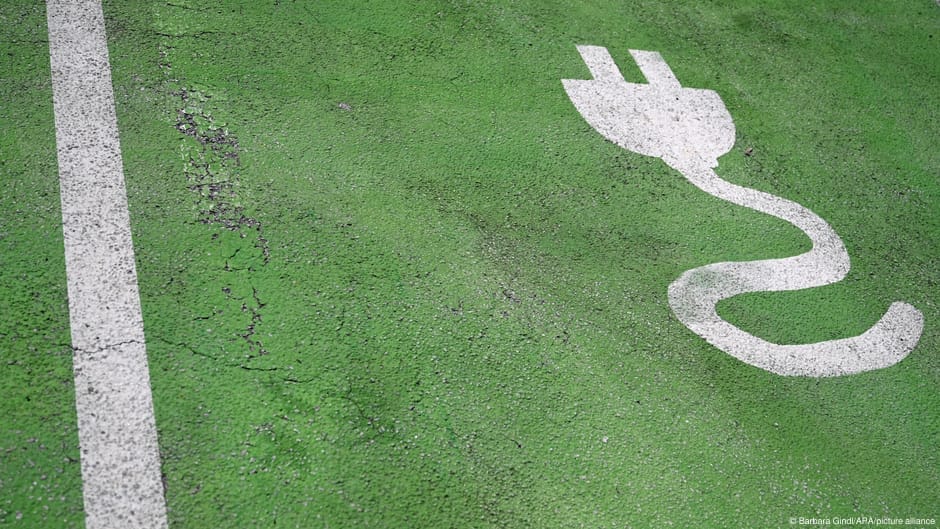
From EVs and electric buses on the road, heat pumps warming homes and solar panels powering appliances, the shift to electrifying tech is already in full swing. But what exactly does 'electrification' mean?
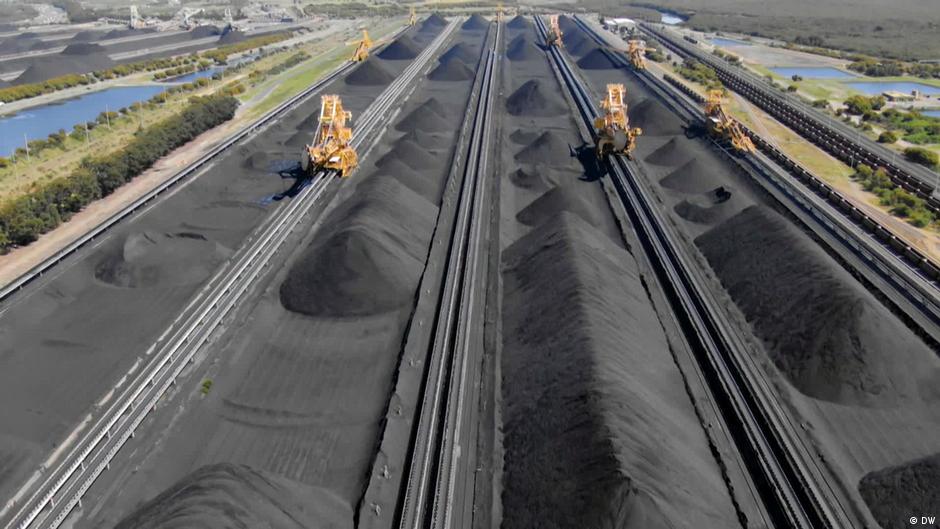
Electrification isn't just a buzzword, it's a lever that could slash energy bills while reducing the world's dependency on coal, oil and gas. Which also means significantly slashing the heat-trapping CO2 emissions that are linked to flooding and extreme heat around the world.
If fuel-importing countries "speed up the electrification of their economies considerably" they could knock more than $400 billion (€357 billion) off their energy import bills by 2035 compared with 2025 levels. That is according to a recent analysis by the International Energy Agency (IEA),which also found that such an acceleration could mean the world needs 18 million fewer barrels of oil per day.
In a nutshell, electrification means replacing technologies that burn fossil fuels such as oil and gas with electric alternatives. That means switching from diesel cars to electric vehicles (EVs), turning off gas heating and using electricity to power heat pumps.
But the way the electricity running these things is generated is also important. In theory, an EV using power created in a coal-heavy electricity grid could be worse for the climate than a car running on gas.
Electricity derived from renewable energy sources such as solar, wind or hydropower on the other hand produces clean power.
The booming EV market is the fastest-growing electrification sector. Globally, one in four cars sold in 2025 was electric and since 2020, international sales have increased by almost 600%.
Nonetheless, electricity only covers about 20% of final energy use in the wider global economy, including that used in businesses, factories and people's homes.
It would need to supply more than half of all power by 2050 if we are to avoid runaway heating and the more intense and extreme weather events connected to a hotter climate.
Some industries and activities are harder to electrify than others. While it's relatively easy to switch to EVs and decarbonize buildings, some industries such as petrochemicals and steel use fossil fuels as raw materials to make products like plastics, fertilizer, detergent or steel. In addition, while heat pumps work well for low-temperature needs, they can't replace the temperatures needed in steelmaking or cement production.
Independent research organization the World Resources Institute recommends hydrogen, synthetic fuels or other low-carbon alternatives as more viable options than electrification in cases such as ocean shipping and aviation.
In addition to cutting down on greenhouse gas emissions resulting in cleaner air and limiting global heating, electrification is also more efficient and cheaper in the long run.
A combustion engine in a car wastes as much as 80% of its fuel's energy, mostly to turn it into heat. Only about 20% is converted to actually move the car. Electric motors, on the other hand, convert about 80% of electrical energy into motion.
As the World Resources Institute points out, running all appliances on electricity will increase electricity consumption. Yet total energy costs are likely to be lower, even if electricity becomes more expensive.
As electricity needs grow due to the rapid expansion of AI, data centers and the overall shift to a more electrified world, outpaced grids struggle to keep up. This is increasingly holding back the energy transition, delaying the rollout of additional renewable generation, storage capacity, and electrified demand.
According to the IEA, annual grid investment has to increase about 50% by 2030 from today's $400 billion.
There's also a major mismatch between how long it takes to set up new grid infrastructure (5 to 15 years), compared to renewable energy projects (1 to 5 years), and EV charging infrastructure (1 to 2 years).
Experts say we need smarter grids that support a two-way flow of electricity while remaining secure, stable and able to keep up with higher demand as electrification intensifies.
- electrification
- climate
- game
- changer
- evs
- bus
- road
- heat