politics

Government proposes sweeping reforms to Ghana’s petroleum fiscal regime
Government proposes sweeping reforms to Ghana’s petroleum fiscal regime

The government is proposing a major overhaul of Ghana’s petroleum fiscal framework, including changes to royalty payments, tax arrangements and the financial interests of the Ghana National Petroleum Corporation (GNPC), as part of efforts to attract fresh investment into the oil and gas industry. Other proposed changes include replacing the Additional Oil Entitlement with an R-factor-based Additional Petroleum Tax, extending the tax-loss carry-forward period from five to ten years, and increasing the duration of petroleum agreements from 25 to 30 years.

The government is proposing a major overhaul of Ghana’s petroleum fiscal framework, including changes to royalty payments, tax arrangements and the financial interests of the Ghana National Petroleum Corporation (GNPC), as part of efforts to attract fresh investment into the oil and gas industry.

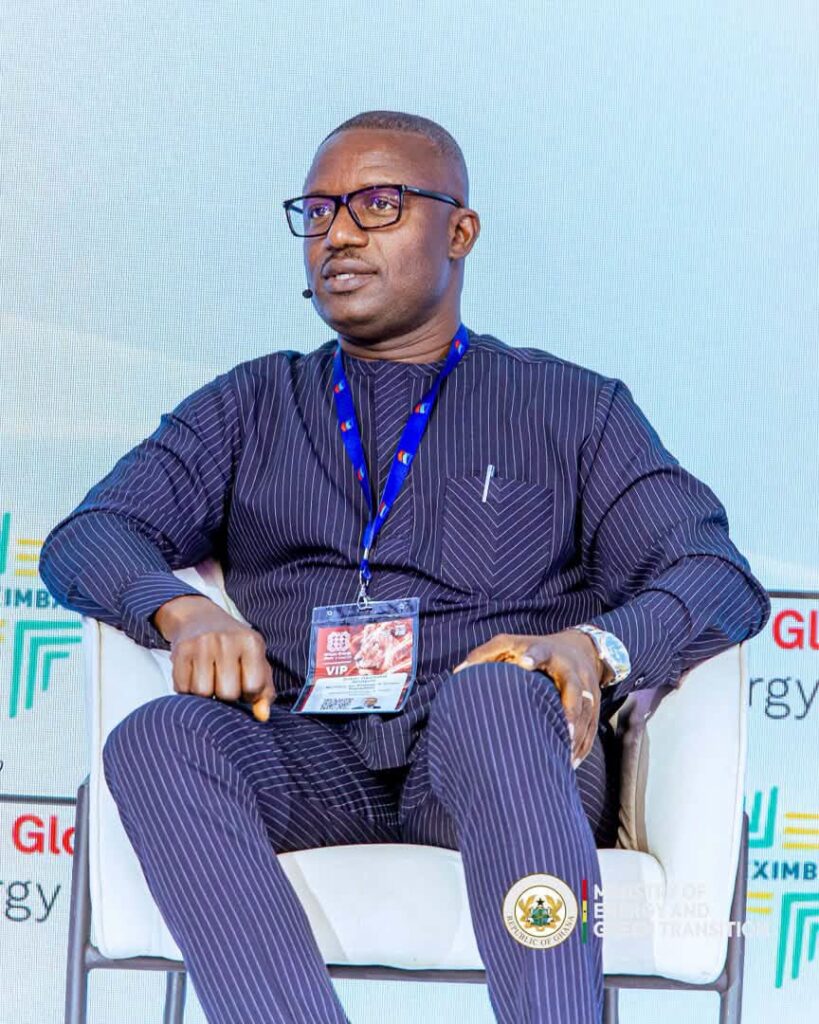
Energy and Green Transition Minister Dr John Abdulai Jinapor announced the proposed reforms in his keynote address at the 2026 Local Content Conference and Exhibition, where he outlined measures intended to make the country’s petroleum sector more competitive and attractive to investors.

Among the key proposals is the introduction of a three-tier sliding-scale royalty regime based on water depth, alongside a reduction in GNPC’s initial carried interest from 15% to 10%.

The government also intends to replace signature bonuses with commerciality bonuses, linking payments more closely to the commercial prospects of petroleum discoveries.

Other proposed changes include replacing the Additional Oil Entitlement with an R-factor-based Additional Petroleum Tax, extending the tax-loss carry-forward period from five to ten years, and increasing the duration of petroleum agreements from 25 to 30 years.

The government is also considering longer exploration periods and more flexible relinquishment provisions for frontier and ultra-deepwater acreage.

Dr Jinapor said the reforms form part of efforts to strengthen the investment environment, while placing local content and economic transformation at the centre of the country’s petroleum development agenda.

  • petroleum
  • government
  • ghana
  • regime
  • reform
  • tax
  • change
  • royalty

Summaries and tags are generated automatically. Stay informed with VidiaNews.

Related news

Government proposes cut in GNPC’s carried interest in petroleum agreements from 15% to 10%
politics

Government proposes cut in GNPC’s carried interest in petroleum agreements from 15% to 10%

The government is proposing to reduce the Ghana National Petroleum Corporation’s (GNPC) initial carried interest in petroleum agreements from 15% to 10% under a package of reforms aimed at repositioning Ghana’s petroleum sector to attract new investment. The government is also proposing to replace the Additional Oil Entitlement with an R-factor-based Additional Petroleum Tax, while extending the tax-loss carry-forward period available to petroleum operators from five to ten years.

Read →
Government proposes three-tier royalty system for petroleum operations based on water depth
business

Government proposes three-tier royalty system for petroleum operations based on water depth

Energy and Green Transition Minister John Abdulai Jinapor announced the proposed arrangement during his keynote address at the 2026 Local Content Conference and Exhibition, as part of a package of reforms aimed at attracting new investment into Ghana’s petroleum industry. The other proposals include reducing GNPC’s initial carried interest from 15% to 10%, replacing signature bonuses with commerciality bonuses and introducing an R-factor-based Additional Petroleum Tax in place of the Additional Oil Entitlement.

Read →
GNPC targets first Voltaian Basin exploration well by end of 2026
business

GNPC targets first Voltaian Basin exploration well by end of 2026

The Ghana National Petroleum Corporation (GNPC) is preparing to drill its first exploration well in the Voltaian Basin by the end of 2026, as it advances efforts to assess the area’s hydrocarbon potential. The GNPC Chief Executive said Ghana needed to reduce its dependence on existing producing fields, including Jubilee, TEN and Sankofa, by expanding exploration and developing other petroleum resources.

Read →
Ghana’s traditional economic model has failed to deliver – Ato Forson
business

Ghana’s traditional economic model has failed to deliver – Ato Forson

Finance Minister Dr Cassiel Ato Forson has described Ghana’s traditional economic model as unsuccessful in delivering the desired development outcomes for citizens over the past 69 years, calling for a fundamental shift towards sustainable economic growth and job creation. The Finance Minister said temporary employment interventions such as the National Builders Corps (NABCO) and the Youth Employment Agency (YEA) could provide immediate relief but were not sustainable solutions to the country’s unemployment challenge.

Read →
IEA urges transparency in Ghana’s BRICS negotiations
business

IEA urges transparency in Ghana’s BRICS negotiations

The Institute of Economic Affairs (IEA) has urged the Government to ensure transparency in its planned negotiations to secure Ghana’s partner-country status in the BRICS bloc. The call was in a statement the IEA issued on November 9, following the Minister of Foreign Affairs, Mr Samuel Okudzeto Ablakwa, announcing on October 6 that Cabinet had approved Ghana’s application for BRICS partner-country status.

Read →