2027: Northern minorities warn religious leaders against partisan politics
By Henry Umoru ABUJA — Ahead of the 2027 general elections, the Northern Nigeria Minorities Group (NNMG) has urged religious leaders, particularly imams and pastors, to stay out of partisan politics and refrain from using places of worship for political mobilisation. Addressing journalists in Abuja on Tuesday, the Convener of NNMG, Jacob Edi, also known as Kakaki Bassange, said religious leaders should focus on preaching peace, tolerance and national unity rather than engaging in political campaigns.
By Henry Umoru ABUJA — Ahead of the 2027 general elections, the Northern Nigeria Minorities Group (NNMG) has urged religious leaders, particularly imams and pastors, to stay out of partisan politics and refrain from using places of worship for political mobilisation. The group, which said it represents more than 200 minority communities across Northern Nigeria and the Federal Capital Territory, stressed the need for religious leaders to distinguish their spiritual responsibilities from partisan political engagement.
Addressing journalists in Abuja on Tuesday, the Convener of NNMG, Jacob Edi, also known as Kakaki Bassange, said religious leaders should focus on preaching peace, tolerance and national unity rather than engaging in political campaigns. He warned that inflammatory political statements from religious platforms could heighten tensions and expose ordinary Nigerians to violence.
The group also cautioned opposition politicians against making statements or taking actions capable of destabilising the country, insisting that political disagreements should be resolved through constitutional and judicial channels. It particularly faulted statements suggesting that Nigeria would become ungovernable if certain individuals were excluded from the ballot, describing such rhetoric as fatalistic.
Edi expressed concern over what he described as the growing intrusion of religious institutions into partisan politics as the country approaches another election cycle. He maintained that legitimate advocacy by religious organisations should be distinguished from partisan interference, adding that no religious institution had the exclusive right to determine Nigeria’s political direction or pronounce on the legitimacy of electoral outcomes.
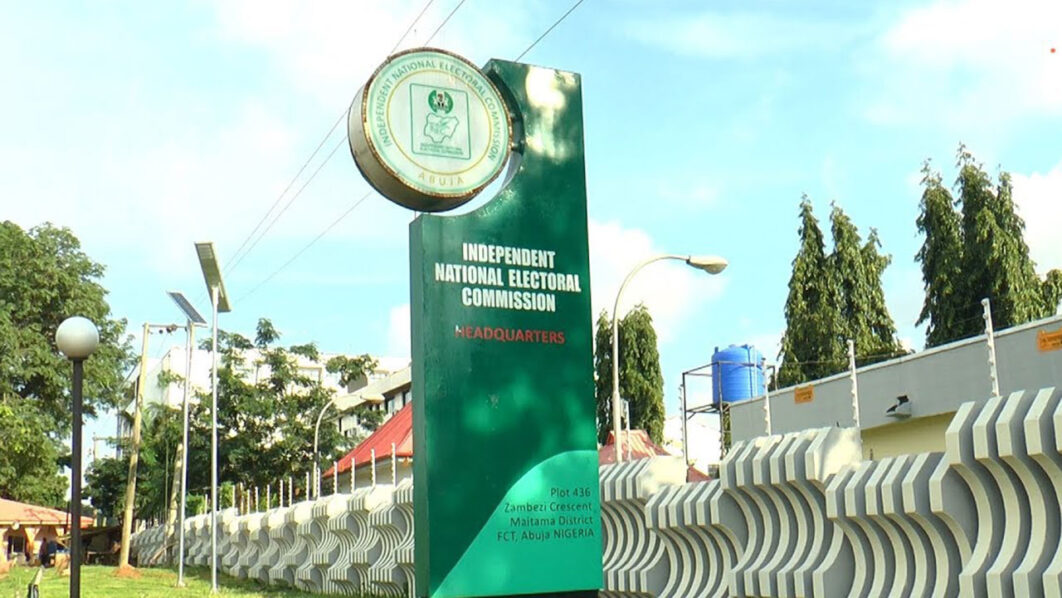
The NNMG convener said electoral legitimacy derived from the Constitution and established legal processes rather than religious endorsements. He also defended the institutional status of the Independent National Electoral Commission (INEC), arguing that its credibility should be assessed based on its independence, transparency and impartiality rather than the religious persuasion of its leadership.
Edi said, “No religious institution has the exclusive prerogative to determine Nigeria’s political direction or pronounce on the legitimacy of public appointments and electoral outcomes. “Any suggestion that electoral outcomes require religious endorsement or may be rejected on sectarian grounds is profoundly inimical to democratic stability. Electoral legitimacy derives from the Constitution and established legal processes, not ecclesiastical approval or clerical verdicts.
“INEC is a national institution, not a religious establishment. Its credibility must be judged by its independence, transparency, impartiality and adherence to its constitutional mandate, not the religious persuasion of its leadership. Nigeria is a constitutional republic, not a theocracy. “Politics is for politicians, religion is for pastors and imams.
They should pray for this nation. They should pray for the peace and unity of Nigeria.” He argued that religious leaders were better positioned to promote peace because their messages were less likely to be interpreted as campaigns for political support. “When a pastor or an imam tells you about peace, he is not looking for your vote. He is not even looking for your money.
This is his duty. This is his calling,” he said. Edi further advised religious leaders interested in partisan politics to relinquish their religious responsibilities and join political parties to pursue their ambitions. “If he wants to come into politics, he should remove the garment or remove the jalabia or whatever and come and go to any party. “Nobody should take the laws into their hands.
We are running a democracy. In the event that things don’t go well, the courts are there for you,” he said. The group urged political actors to cooperate towards peaceful elections, warning that ordinary Nigerians would bear the consequences of any political crisis. It also commended President Bola Tinubu for what it described as providing a level playing field for political competition.
However, it urged the President to caution individuals within his political circle against allegedly exploiting his name and proximity to power to secure lucrative government contracts. According to the group, such alleged conduct, if established, could amount to an abuse of presidential goodwill and undermine public confidence in the administration.
Edi said the group had raised the matter with the President and would disclose the identities of those involved at the appropriate time. “We have invited the President to be wary of some of his friends using his name to corner big government contracts. And we have said here that, at the appropriate time, this body will release the names of such persons,” he said.
On the use of artificial intelligence in political communication, particularly AI-generated photographs, Edi said the tech
- nigeria
- leader
- politic
- northern
- group
- edi
- peace
- institution