SERAP demands Ojukwu’s release, end to prosecution of journalists
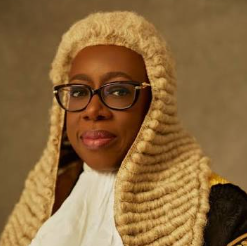
The Socio-Economic Rights and Accountability Project (SERAP) has called on President Bola Tinubu and the Attorney-General of the Federation, Lateef Fagbemi, SAN, to secure the immediate release of Daniel Ojukwu, a journalist with the Foundation for Investigative Journalism (FIJ), from the Kuje Correctional Centre, Abuja. SERAP made the demands following the remand of Ojukwu at the Kuje Correctional Centre by Justice Joyce Abdulmalik of the Federal High Court, Abuja, pending the determination of his bail application.
The Socio-Economic Rights and Accountability Project (SERAP) has called on President Bola Tinubu and the Attorney-General of the Federation, Lateef Fagbemi, SAN, to secure the immediate release of Daniel Ojukwu, a journalist with the Foundation for Investigative Journalism (FIJ), from the Kuje Correctional Centre, Abuja. The organisation also urged the Federal Government to end the use of criminal defamation and cyberstalking charges to intimidate or punish journalists for reporting on alleged corruption and the management of public funds.
SERAP made the demands following the remand of Ojukwu at the Kuje Correctional Centre by Justice Joyce Abdulmalik of the Federal High Court, Abuja, pending the determination of his bail application. Ojukwu was reportedly remanded on Tuesday until December 1, 2026, after being arraigned on 12 counts bordering on alleged cyberstalking and criminal defamation.
He pleaded not guilty to all the charges. The court subsequently adjourned the hearing of his pending bail application until December. SERAP also called for an end to the prosecution and alleged harassment of Ojukwu and FIJ founder, Fisayo Soyombo, over investigative reports concerning alleged expenditure of public funds by the Office of the Senior Special Assistant to the President on Sustainable Development Goals (OSSAP-SDGs).
The organisation expressed concern that Ojukwu’s detention could send a chilling message to journalists and others seeking to expose alleged corruption and scrutinise the management of public resources. It said the prosecution stemmed from investigative reports published in 2023 and January 2024, which raised questions about payments of N147.1 million and N47.5 million for classroom construction projects, as well as reports that solar panels installed at some of the projects stopped functioning shortly after their completion.
Describing the issues raised in the reports as matters of legitimate public interest, SERAP said public officials and institutions should expect scrutiny of their decisions and expenditure of public funds. It argued that the appropriate response to investigative reports questioning public expenditure was for authorities to provide explanations, disclose relevant records and, where necessary, investigate allegations of wrongdoing rather than prosecute and imprison journalists.
The organisation further described Ojukwu’s latest detention as particularly troubling, recalling that he was previously detained for 10 days in May 2024 over reporting concerning the same public official and alleged expenditure of public funds. It warned that his continued prosecution could reinforce an atmosphere in which journalists are discouraged from investigating and reporting on corruption for fear of arrest, detention and imprisonment.
SERAP cited Sections 22 and 39 of the 1999 Constitution, as amended, Article 9 of the African Charter on Human and Peoples’ Rights and Article 19 of the International Covenant on Civil and Political Rights, noting that they guarantee freedom of expression and media freedom. It said the protections include the right to seek, receive and impart information and ideas, including views that may be critical, controversial or unwelcome to public officials.
According to the organisation, freedom of expression is particularly important when journalists report on alleged corruption, public expenditure and the conduct of people entrusted with public responsibilities. It maintained that public officials must tolerate robust scrutiny and criticism, particularly concerning the exercise of public power and management of public resources.
SERAP also referred to paragraph 47 of the United Nations Human Rights Committee’s General Comment No. 34, which cautions against the use of defamation laws to stifle freedom of expression. The committee, it noted, urges states to recognise truth and public interest as defences, avoid excessively punitive measures and consider decriminalising defamation.
- serap
- ojukwu
- prosecution
- journalist
- report
- expenditure
- release
- organisation